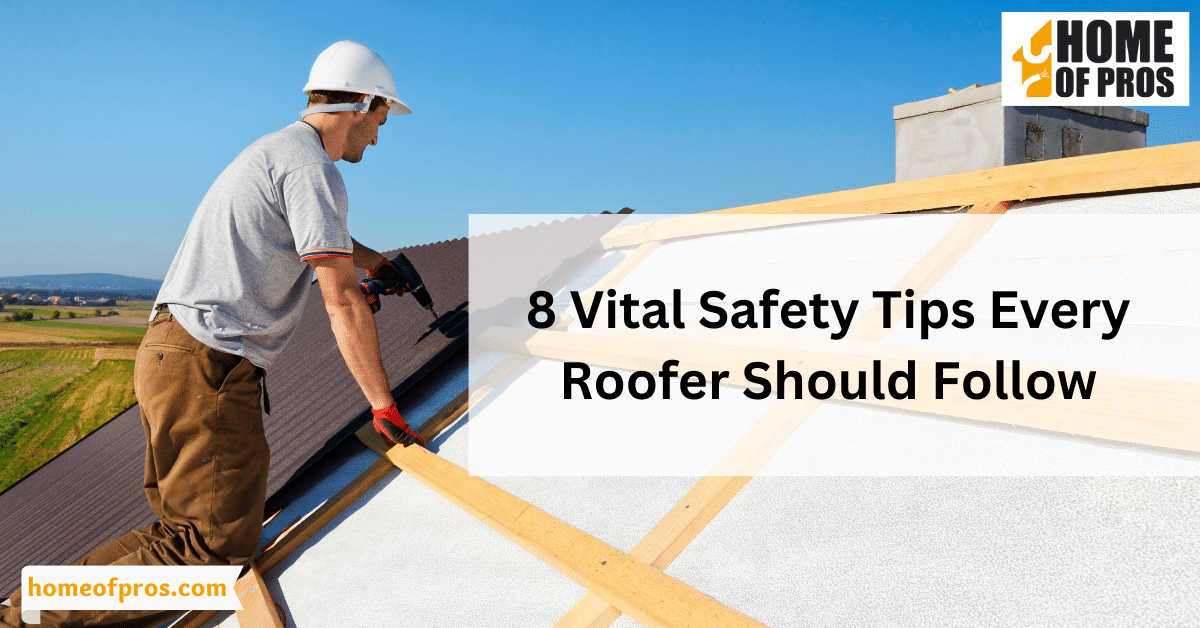
Ensuring safety on the roof requires a blend of foresight and attention to detail. Always harness up to prevent fatal falls, ensure tools and materials are secure to prevent slipping and stay updated with weather forecasts to avoid hazardous conditions. Remember, taking precautionary steps can make the difference between a successful job and a tragic accident.
Roofing, while seemingly straightforward, comes with inherent risks once elevated above the ground. The combination of height, unpredictable surfaces, and varying weather conditions necessitate strict adherence to safety protocols. Overlooking these measures can lead to grave accidents, posing threats to the roofer and those nearby.
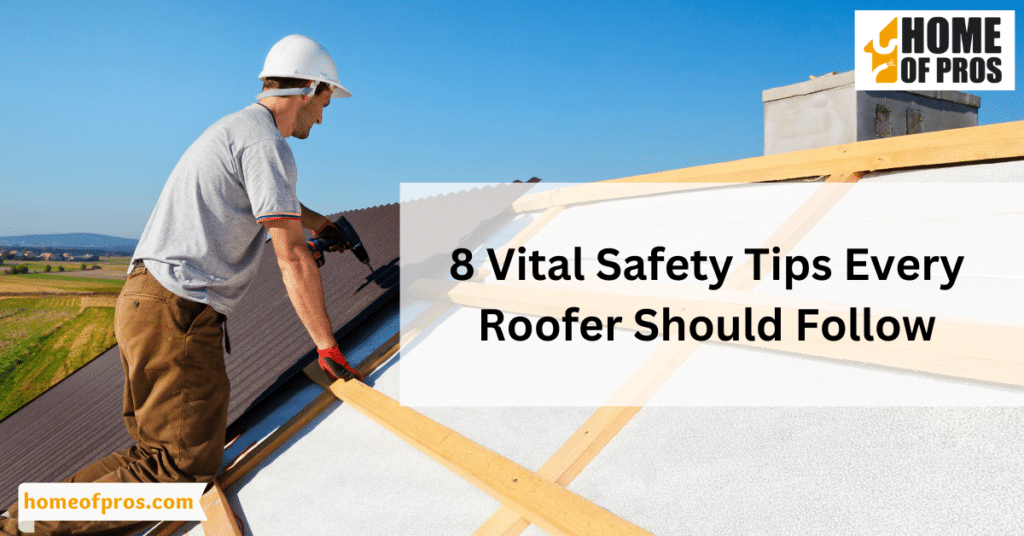
1. Harness and Personal Protective Equipment (PPE)
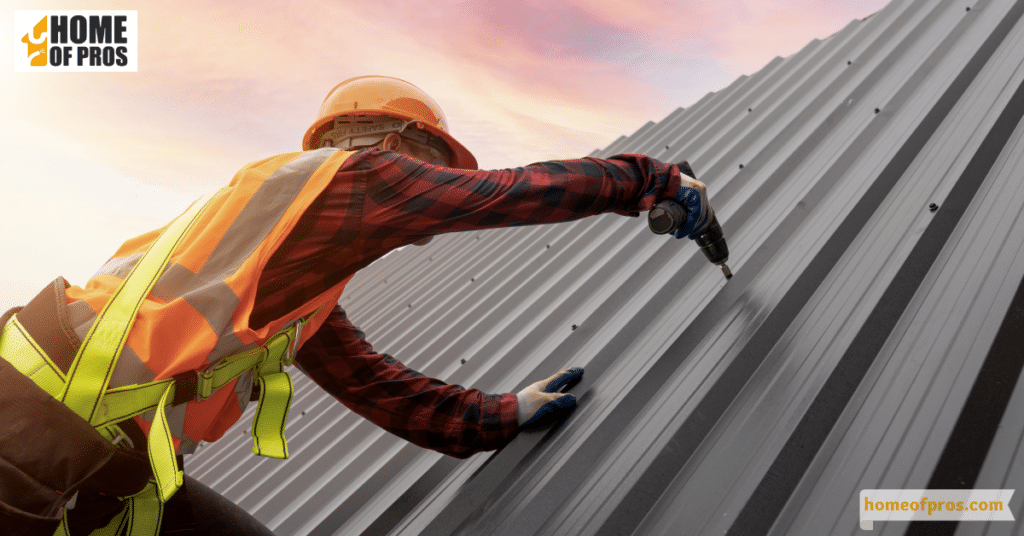
Roofing, due to its elevated nature, often places workers at risk of dangerous falls. Harnesses, in such scenarios, become more than just tools—they act as vital safety nets, arresting falls and significantly reducing the risk of serious injuries. But a harness is only a part of the protective ensemble.
The entirety of a roofer’s PPE—helmets, gloves, and protective footwear—forms a shield against diverse threats. A well-fitted helmet can prevent traumatic head injuries from unexpected falls or airborne objects. Gloves are indispensable, offering protection from sharp materials, and hot surfaces, and providing a better grip.
Protective footwear, with its reinforced design, protects against punctures and offers better traction on slanting surfaces. It’s vital to regularly inspect these protective gears for any signs of wear and tear. Ill-fitting or damaged PPE can not only diminish its protective qualities but can also become a hazard.

2. Tool and Material Safety
The dynamic environment of roofing necessitates various tools and materials. Just as a craftsman is only as good as his tools, the condition of these tools plays an essential role in ensuring safety. A blunt blade, for instance, requires more force, increasing the risk of slips or cuts.
Properly organized and safely stored materials reduce the need for unnecessary movement, thereby reducing the chances of mishaps. It’s also of paramount importance to secure tools and materials, preventing them from becoming potential projectiles that could endanger those below.
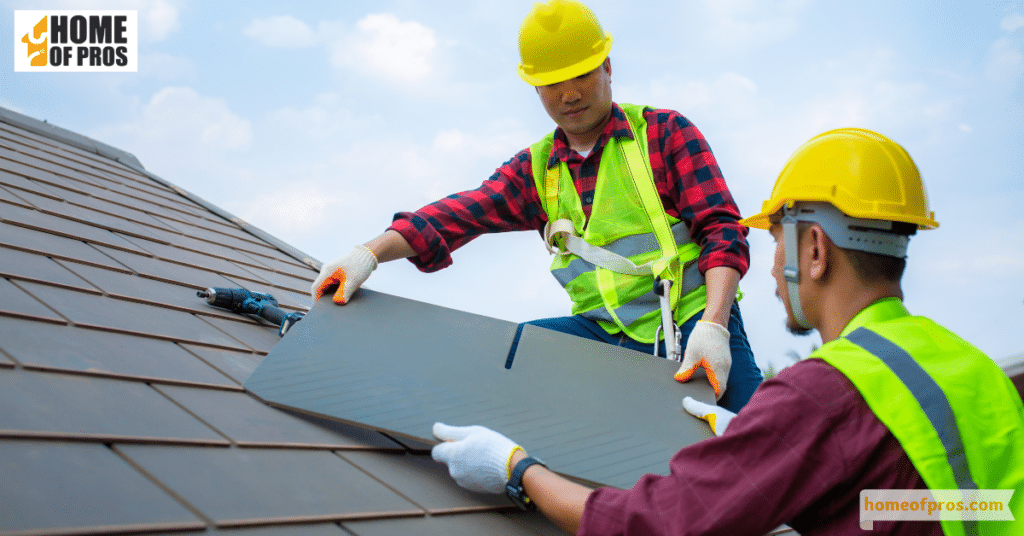
3. Ladder Safety
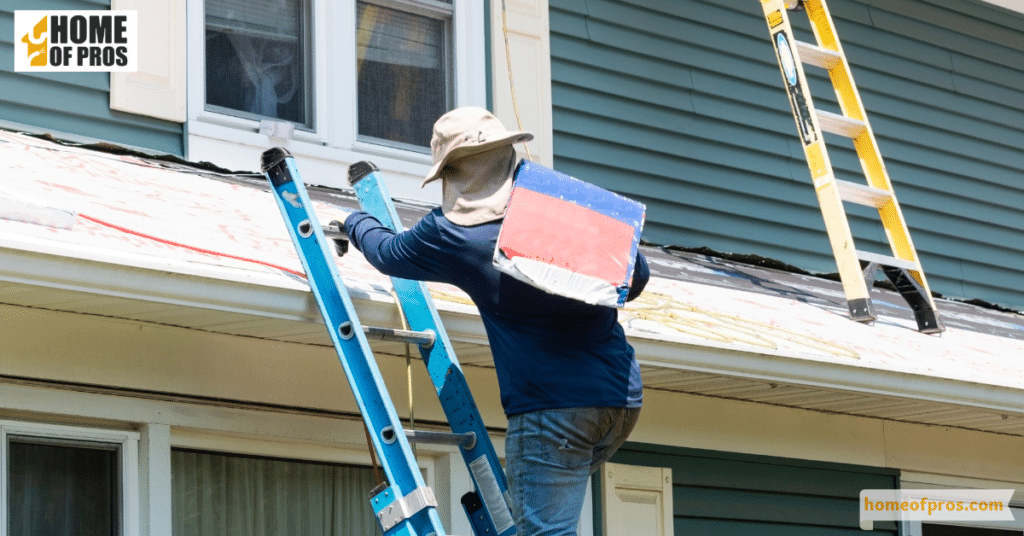
For any roofer, the ladder is the bridge between the ground and their workspace. Its importance, and the need for its safety, cannot be understated. A ladder’s placement should always be on firm ground, away from doorways or busy areas, and at an appropriate angle to ensure stability.
A simple but vital practice is inspecting the ladder—checking its rungs, side rails, and feet for any damage. While ascending or descending, adhering to the ‘three points of contact’ rule ensures stability and minimizes the chances of a fall.
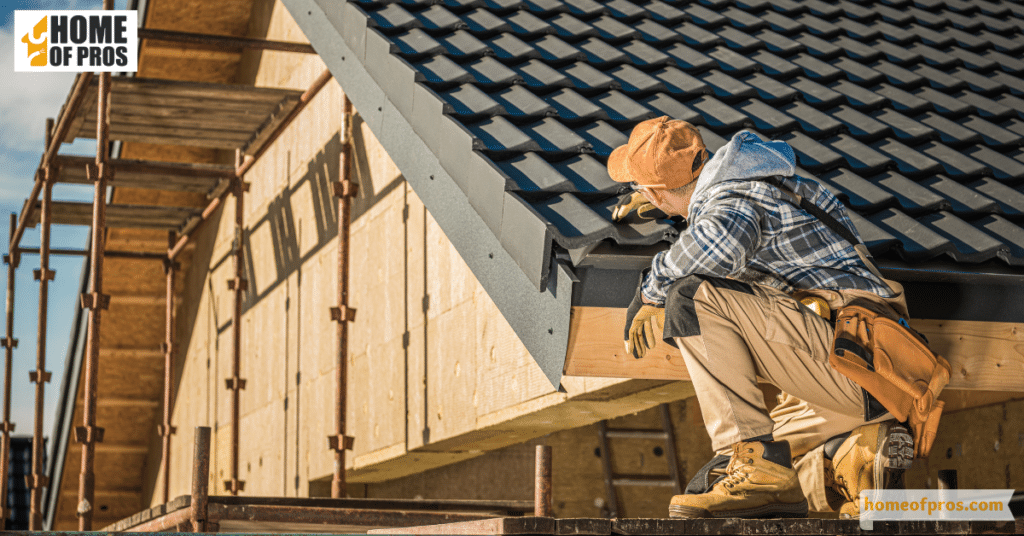
4. Roof Surface Assessment
Each roofing assignment presents a unique set of challenges. Before embarking on the job, a thorough inspection of the roof’s surface is essential. This can reveal potential pitfalls, like loose tiles or weak patches, which might not support weight. Working on stable, solid surfaces should always be the norm. Additionally, ensuring the workspace is free from debris or other slip hazards can prevent many potential accidents.
5. Weather Preparedness
Mother Nature is unpredictable. Roofers must always be prepared for her whims. This means staying updated with weather forecasts, especially when embarking on long jobs. Wet or icy surfaces significantly increase the risk of slips.
High winds can turn materials and even tools into dangerous projectiles. Lightning, aside from the direct threat of a strike, can also cause power surges or electrical mishaps. When the weather takes a turn for the worse, postponing the job is always the safest choice.
6. Staying Updated with Safety Training
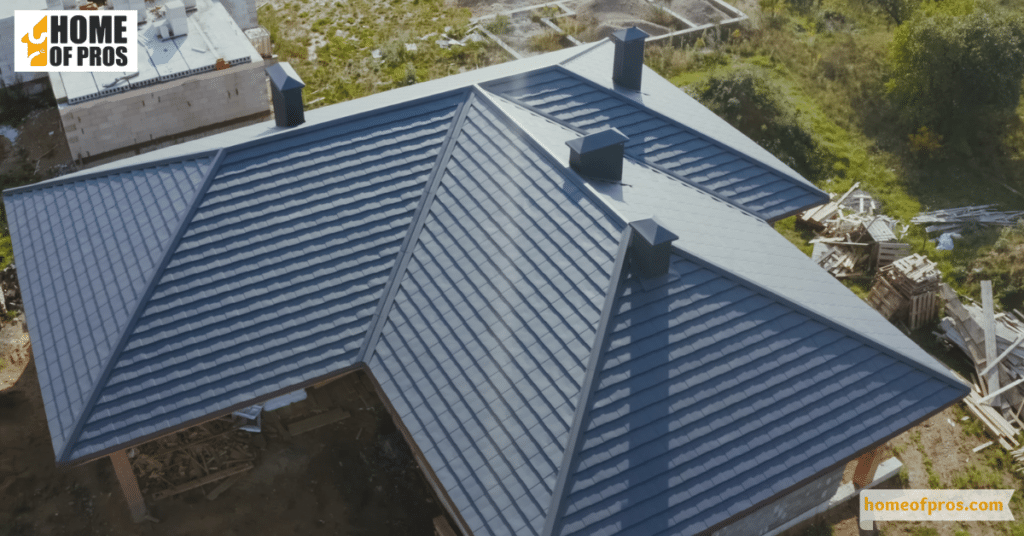
The field of safety is continually evolving, with new techniques, tools, and protocols emerging regularly. For roofers, keeping abreast of these developments is crucial. Regular training sessions, aside from reinforcing known safety practices, can introduce roofers to newer, possibly more effective safety measures. Certifications, on the other hand, offer a dual benefit—they provide roofers with advanced safety knowledge and give clients peace of mind, knowing they’re hiring trained professionals.
7. Avoiding Electrical Hazards
Electricity, while being indispensable to modern life, presents a potent threat when not respected. Roofs often have electrical installations, and in many cases, are close to overhead power lines. Being aware of these hazards and maintaining a safe distance is non-negotiable.
Using non-conductive ladders, made from materials like fiberglass, can greatly reduce the risk of accidental electrocutions. Additionally, understanding the electrical layout of a roof, including where conduits and cables run, can prevent many potential accidents.
8. Regular Breaks and Health Check
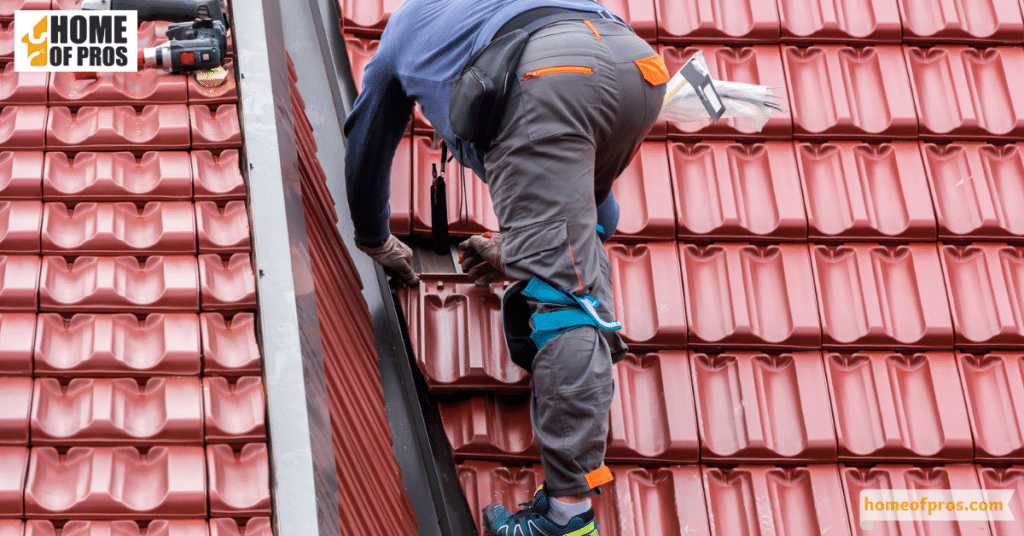
Roofing is both a skill and a physically demanding profession. Continuously working without breaks can lead to fatigue, reduce a worker’s reaction time, and impair judgment—two critical aspects when working at heights. Taking short, regular breaks can rejuvenate a roofer, ensuring they’re always at their best. During hot days, regular hydration is crucial to prevent heat strokes or heat exhaustion. It’s also essential for workers to be self-aware, recognizing any signs of physical distress or fatigue, and ensuring they don’t push beyond safe limits.
In Conclusion
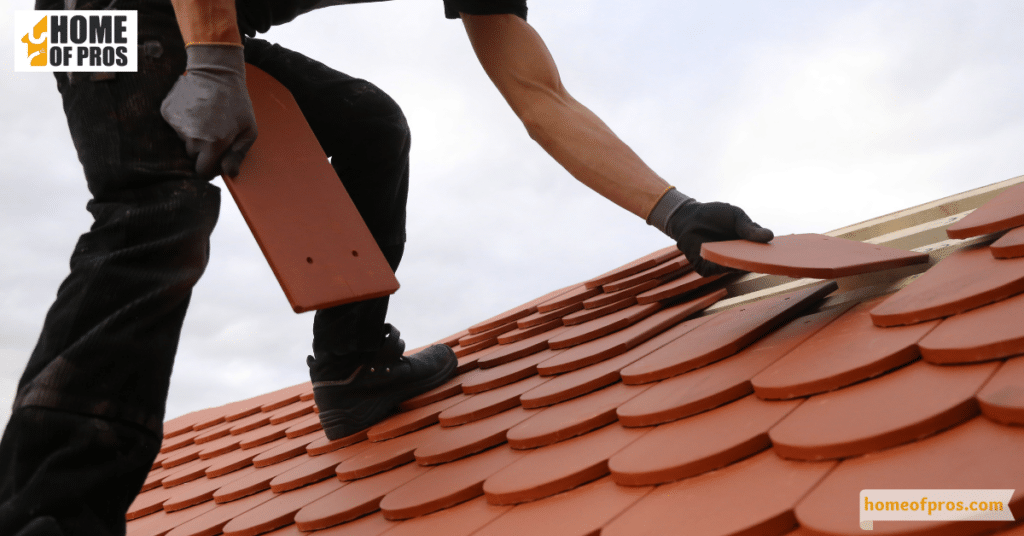
Roofing, though often seen as a straightforward task, is rife with potential hazards. From the ever-present risk of falls to the unpredictability of weather and electrical threats, the importance of safety cannot be overemphasized. Each piece of equipment, every safety protocol, and all training sessions play a pivotal role in ensuring that roofers not only perform their jobs efficiently but also return home safely at the end of the day.
By placing a consistent emphasis on safety, staying updated with the latest protocols, and fostering a culture of caution and awareness, we can significantly mitigate the inherent risks associated with roofing. After all, a job well done is one that’s completed safely and effectively.