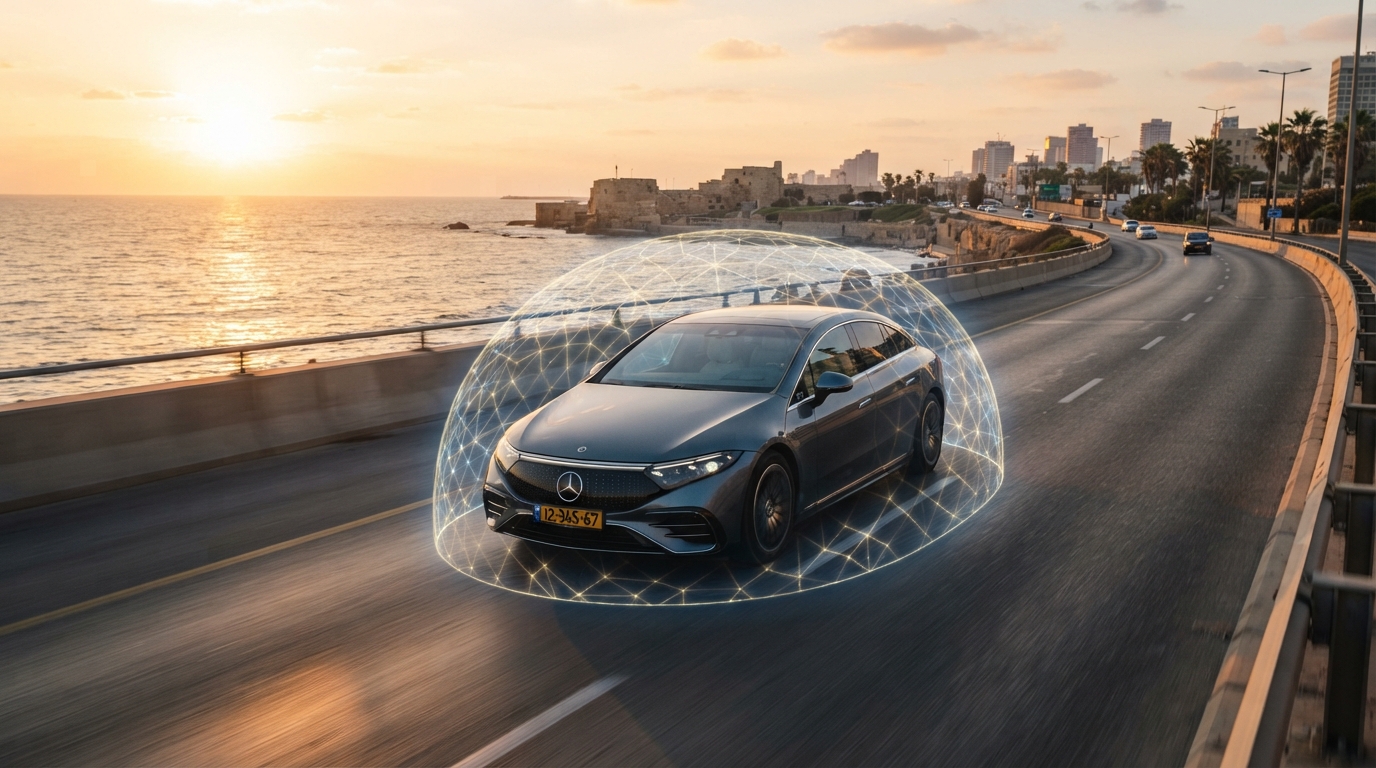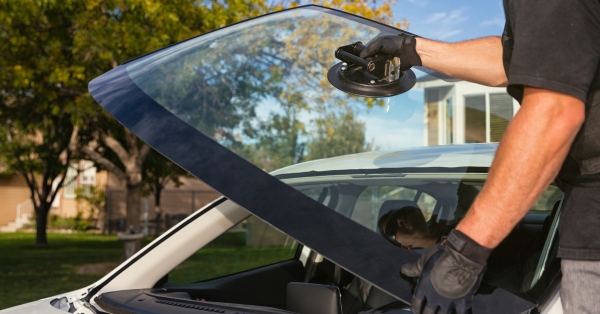
Modern windshields do far more than block wind; they anchor the cameras and sensors that power ADAS features like lane‑keeping, auto‑braking, and traffic‑sign recognition. That shift makes a simple glass swap a precision job that blends craftsmanship with calibration tech. Drivers now have to think about optical clarity ratings, mounting brackets, and software targets, not just chips and cracks. The payoff is a big safety upside, but only if the glass, installation, and calibration line up perfectly.
From Simple Glass to Smart Sensor Hub: What ADAS Sees Through the Windshield
The upper center of today’s windshield often hides a compact camera module that reads lane lines, measures headway, and scans signs in fractions of a second. Those tiny lenses need a crystal‑clear, distortion‑free view, which is why windshield curvature, tint band placement, and acoustic interlayers matter more than ever. Even subtle differences in glass thickness or refractive index can nudge a camera’s aim off by fractions of a degree, enough to confuse lane‑keeping logic. In short, ADAS turned the windshield into a calibrated optical component, not just a pane of laminated safety glass.
Vehicle makers also integrate brackets, heater grids, and rain‑light sensors into the glass, and each one must sit exactly where the software expects. A misaligned camera bracket can cause persistent diagnostic errors, forcing rework or replacement even if the glass looks perfect to the eye. Some models require shaded “eyebrows” or camera windows with specific coatings to cut glare and IR interference. That level of precision means the right part number and build code matter as much as the installer’s steady hands.
Even aftermarket glass has leveled up, with premium options matching OEM optical specs and mounting hardware tolerances. Still, there are model years and trims where OEM remains the safest call because the ADAS stack is picky about bracket geometry and coating. Smart shops verify VIN‑specific details before ordering, then inspect the camera pocket and sensor pads before any urethane is opened. This pre‑fit routine reduces surprises when the calibration cart rolls out later.
Why Calibration Is Non‑Negotiable After a Windshield Swap
When the glass changes, the camera’s perspective changes, and the software has to relearn the world—this is calibration. Static calibration uses targets at fixed distances on a level floor, teaching the camera where “center” and “horizon” live in pixel space. Dynamic calibration adds a road drive at prescribed speeds and conditions so the system can cross‑check lane lines and following distances. Skipping either step can leave features disabled or, worse, subtly misinformed.
Pro Tip
Plan for both static and dynamic calibration on many late‑model vehicles, because manufacturers often require a two‑stage process. The shop needs stable lighting, a known floor slope, and ample space to position targets within millimeters. And for the drive portion, there may be speed and road‑marking requirements that rule out quick loops on poorly striped streets. Building this time into the appointment avoids second visits and warning lights.
Good installers also document calibration with before/after scan reports, target layouts, and on‑road confirmations. That paper trail matters for warranty support and for proving ADAS functionality after collision or glass claims. It also protects the driver, because it’s proof that the system’s eyes and brain were synced after the swap. In a world of camera‑dependent safety features, calibration is the handshake that makes the new windshield “visible” to the car.
Costs, Timelines, and What Really Affects the Final Quote
Prices vary with vehicle trim, glass type, and calibration method, but a few patterns hold across the Phoenix market. Expect ADAS‑equipped vehicles to cost more than non‑ADAS cars due to specialized glass and the time needed for static/dynamic calibration. Weather, shop setup, and even the condition of lane markings along the route can add or subtract minutes from the job. And for adhesives, safe‑drive‑away times depend on temperature, humidity, and urethane selection.
Below are typical 2025 estimates and timing windows seen for ADAS windshield work in major U.S. metros, including Phoenix.
| Item | Typical Range (USD) | Average Time |
|---|---|---|
| Non‑ADAS windshield replacement | $250–$450 | 60–90 minutes |
| ADAS‑equipped windshield replacement | $350–$1,200+ | 90–150 minutes |
| Static camera calibration | $150–$300 | 30–60 minutes |
| Dynamic camera calibration | $125–$250 | 20–45 minutes of driving |
| OEM glass upcharge (vs. aftermarket) | $150–$500+ | – |
| Mobile service premium (if any) | $0–$75 | Varies |
| Insurance deductible (common) | $0–$500 | – |
Final totals lean lower with aftermarket glass on mainstream models and higher with OEM glass, heated wiper areas, HUD coatings, or complex multi‑camera pods. Insurers often waive or reduce deductibles for glass coverage in Arizona, but policy details rule the day. A reputable shop will walk through options transparently and explain why a specific calibration path is required for that VIN.
Turnaround is also about logistics: glass availability, target setup time, and the right stretch of road for dynamic calibration. Shops with in‑house calibration gear cut delays and avoid sublets. And in Phoenix heat, urethane chemistry and cure times get special attention to guarantee structural integrity and ADAS stability when the vehicle rolls out.
How to Spot Quality Glass and Installation on an ADAS Vehicle
Start with the fundamentals: a clean pinch‑weld, fresh urethane within spec, and primer where the manufacturer calls for it. The camera bracket should look factory‑straight, with no wobble or excess adhesive around the mount. Inside, the sensor shroud should snap together neatly, and the rain‑light sensor pad must be bubble‑free. Step back outside and compare gaps and moldings against neighboring panels—tight, even lines are a quiet mark of quality.
Before handing over the keys, a quick field checklist keeps everyone honest. Confirm the forward camera is present in a scan report, then check that lane‑keeping, auto high‑beam, and forward collision alerts engage without warnings. Exterior glass markings should match the order (OEM vs. premium aftermarket), and the shaded “eyebrow” should not intrude into the camera window. A short drive on a well‑striped road lets the system re‑center and flags anything odd immediately.
Practical quality checks savvy drivers use include the following. These simple observations don’t replace a scan tool, but they catch most visible red flags before they become hassles later. A clear view and clean geometry today mean fewer false alarms or disabled features tomorrow.
- Look through the camera area at a distant straight line; waviness hints at optical distortion.
- Gently press along the top molding; spongy spots can signal poor adhesive spread.
- Verify VIN‑matched options: heated park area, acoustic layer, or HUD‑friendly coating if equipped.
- Ask for printed or digital calibration results tied to the vehicle’s VIN.
Mobile Service vs. In‑Shop Calibration in Phoenix Heat
Mobile installs are incredibly convenient across the Valley, especially with shaded parking and predictable weather. But calibration adds constraints: perfectly level floors for static targets, controlled lighting, and enough footprint to place patterns at exact distances. Phoenix summers also push urethane curing to its limits, so good techs choose formulas and cure windows that match ambient temps. The right setup decides whether mobile is ideal or an in‑shop bay is the smarter call.
One local name, HighTech Auto Glass, is known for mixing mobile convenience with full ADAS calibration capability when conditions allow. The service model many drivers prefer is simple: replace at home or work if the environment meets spec, then complete the static/dynamic steps with the same techs and tooling. That continuity streamlines the process and reduces retest time. For drivers comparing providers for Windshield Replacement in Phoenix, it’s worth asking how level floors, lighting, and drive routes are handled on hot days.
If an in‑shop visit is scheduled, a quick prep list helps the day go smoothly. Bring any ADAS notes from prior service, ensure tires are at proper pressures, and remove roof racks that could block target sight lines. Allow enough time for adhesive cure plus calibration drives, because safe‑drive‑away isn’t just about glue—it’s also about the system’s confidence. Clear communication on timing beats rushing and returning twice.
- Verify part number and options on the estimate match the build (camera, heater, sensors).
- Ask whether the plan is static, dynamic, or both—many cars require a hybrid approach.
- Confirm you’ll receive before/after scan reports tied to your VIN.
Insurance, Glass Types, and Warranty Fine Print
Arizona drivers often benefit from glass‑friendly policies, but coverage varies widely by insurer and plan. Some carriers approve OEM glass automatically on ADAS vehicles, while others allow premium aftermarket if it meets optical specs. Deductibles can be zero on certain comprehensive policies, which changes the math on OEM upgrades. The key is to align the policy, the part, and the calibration requirement before the appointment.
Glass choice also shapes future serviceability. OEM frequently guarantees bracket geometry for tricky housings, while top‑tier aftermarket can deliver equal optical performance on mainstream models. Either way, what matters most is the whole system: correct glass, precise install, and verified calibration. A strong warranty stands behind all three, not just the pane.
Reputable Phoenix providers often back work with a lifetime warranty against leaks and stress cracks caused by installation. Some also cover recalibration if the camera needs a quick touch‑up after a software update or alignment. HighTech Auto Glass is one example of a shop that pairs mobile convenience with a robust warranty program, which offers useful peace of mind. In an ADAS world, a trustworthy warranty is less about paperwork and more about safety staying “on” for the long haul.
Closing Thoughts: How ADAS Is Redefining Windshield Replacement
ADAS shifted windshield replacement from a one‑step repair into a coordinated process of precision glass, careful adhesives, and verified calibration. The reward is huge—smarter braking, steadier lane centering, and fewer surprises when traffic gets hectic—but only when the camera sees exactly what the car expects. Choosing the right glass and the right shop, then insisting on documented calibration, keeps the safety net intact. In short, ADAS changed the job description, and the best outcomes come from treating the windshield as a critical sensor mount, not just glass.