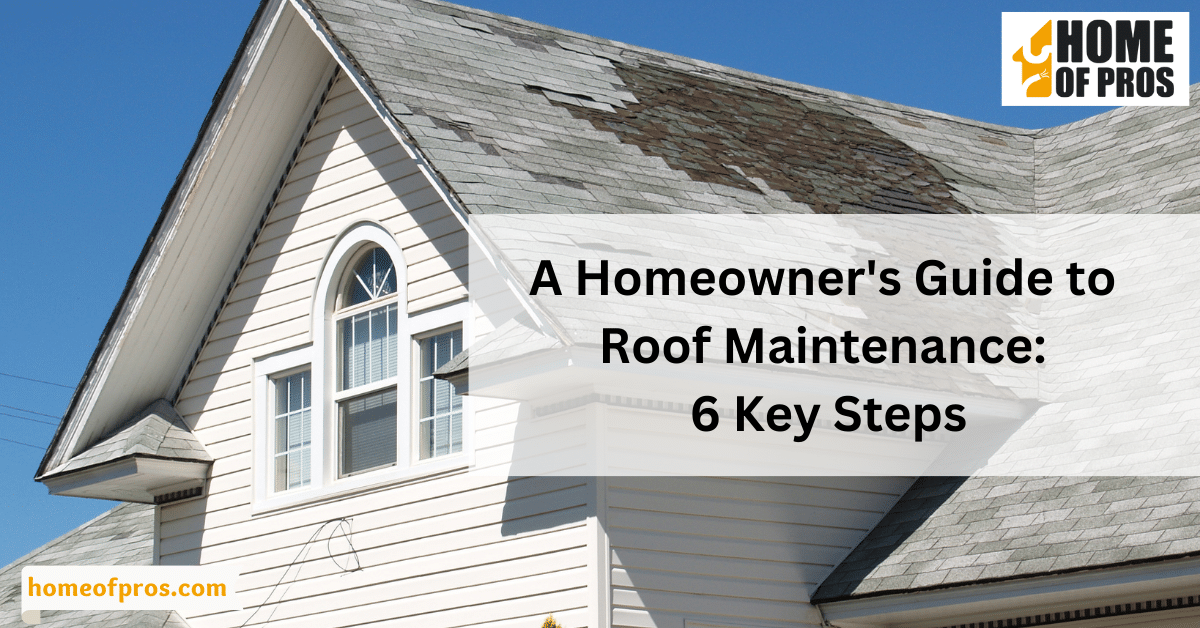
Regular roof maintenance is essential for homeowners to ensure the longevity and integrity of their homes. Start by inspecting for damage, clean gutters and downspouts, trim overhanging branches and consider professional inspections and repairs when needed. These five key steps will help you preserve your roof’s condition and protect your home.
Your roof is more than just a shelter; it’s a crucial guardian of your home’s well-being. In this informative guide, we’ll unveil the importance of roof maintenance and provide you with six essential steps to keep your roof in top condition. Join us on this journey to protect your home and investment.
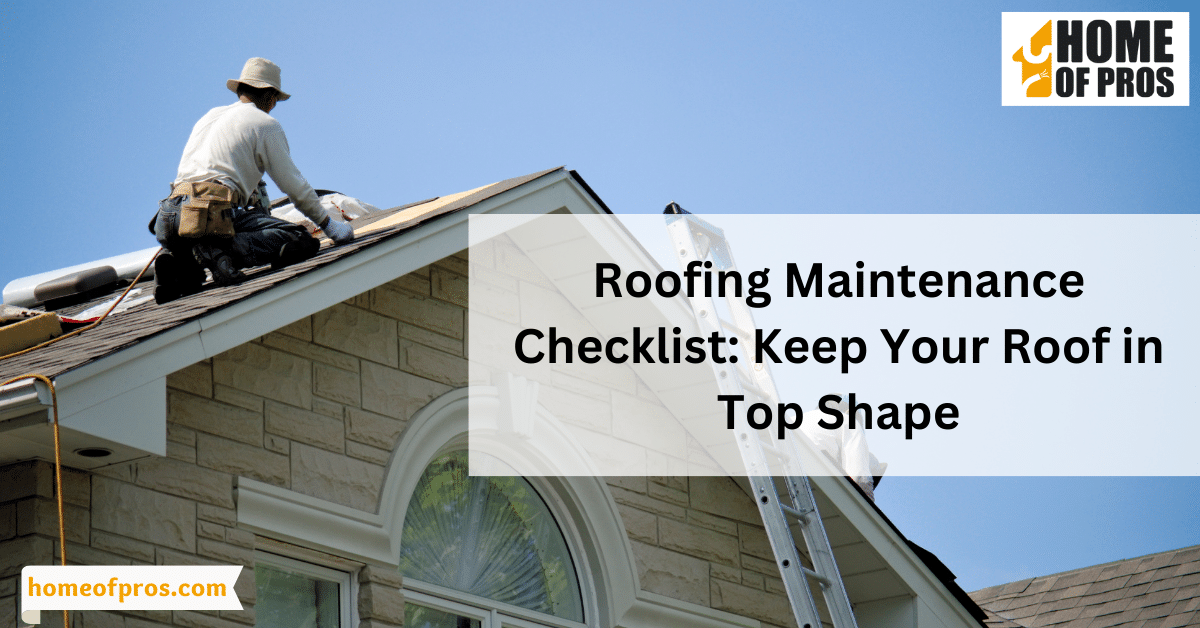
1. Annual Roof Inspection
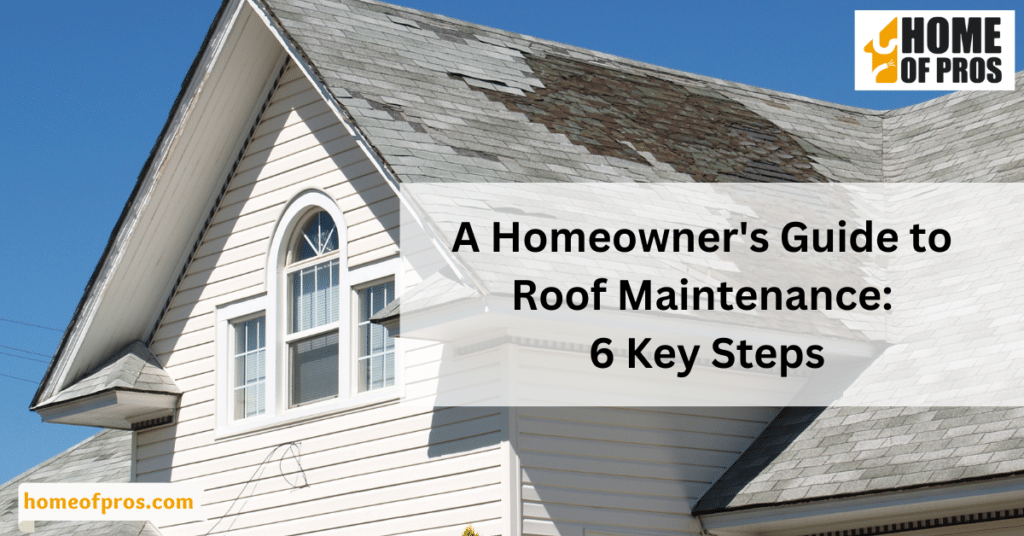
Scheduling an annual roof inspection is paramount in ensuring the longevity and reliability of your roof. It’s best conducted during mild, dry seasons, as this provides the most conducive conditions for a thorough evaluation. During this inspection, scrutinize your roofing material meticulously. Look for telltale signs of wear and tear, damage, or aging such as cracked, curled, or missing shingles.
Additionally, focus on the flashing, particularly around vulnerable areas like chimneys, vents, and skylights. Faulty flashing can serve as an entry point for moisture, potentially causing significant issues within your home. Don’t overlook the gutters and downspouts either—ensuring they’re clear and securely attached is essential for preventing water backup and leakage.
2. Clean Gutters and Downspouts
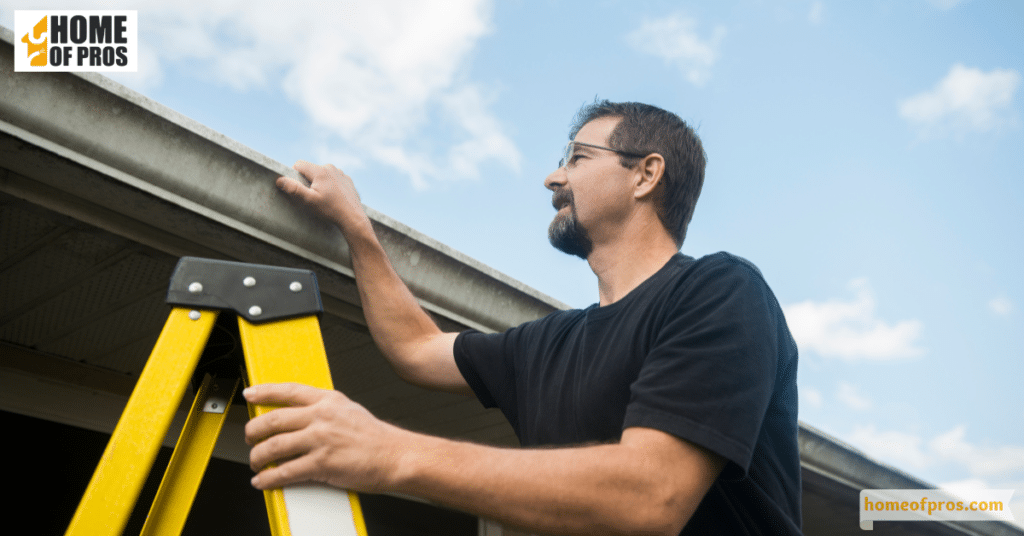
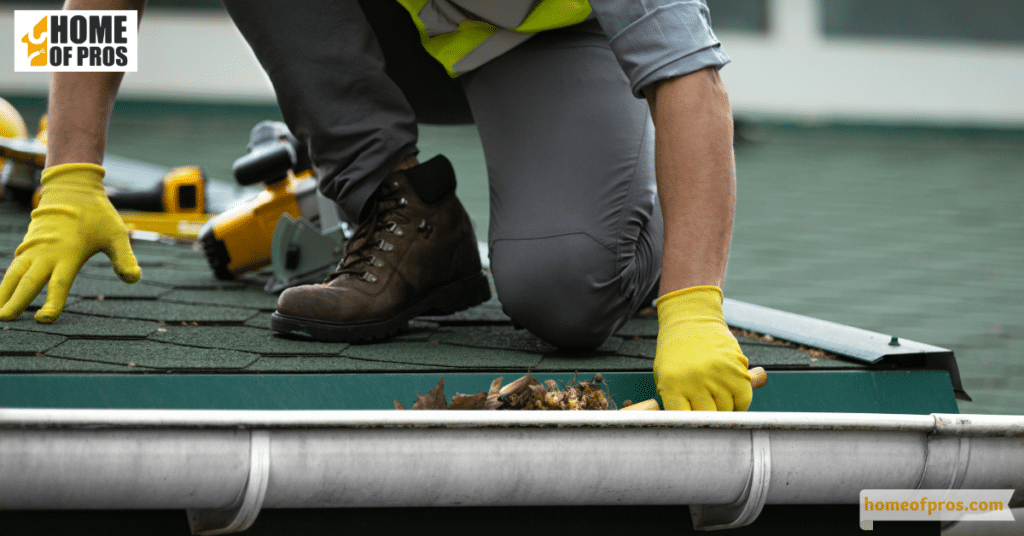
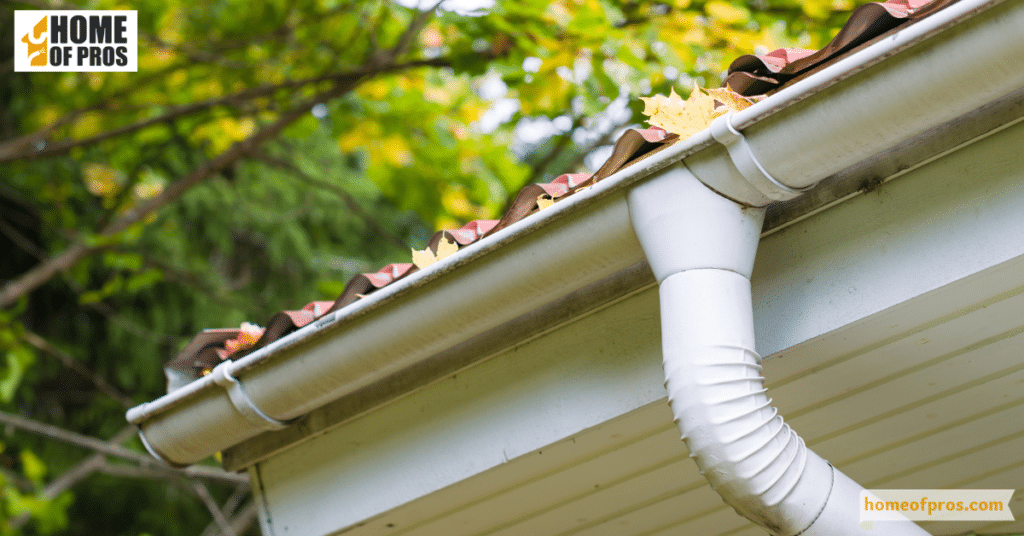
Maintaining clean gutters and downspouts is essential for protecting your roof from water-related damage. It’s particularly crucial during seasons like fall when leaves, sticks, and debris tend to accumulate. The most effective method usually involves ascending a ladder equipped with gloves to manually remove these obstructions.
By performing this task regularly, you ensure that rainwater can flow freely off your roof, reducing the risk of it pooling or infiltrating your home’s structure and foundation. This simple yet critical practice helps safeguard your roof’s integrity and the overall well-being of your home.
3. Trim Overhanging Branches
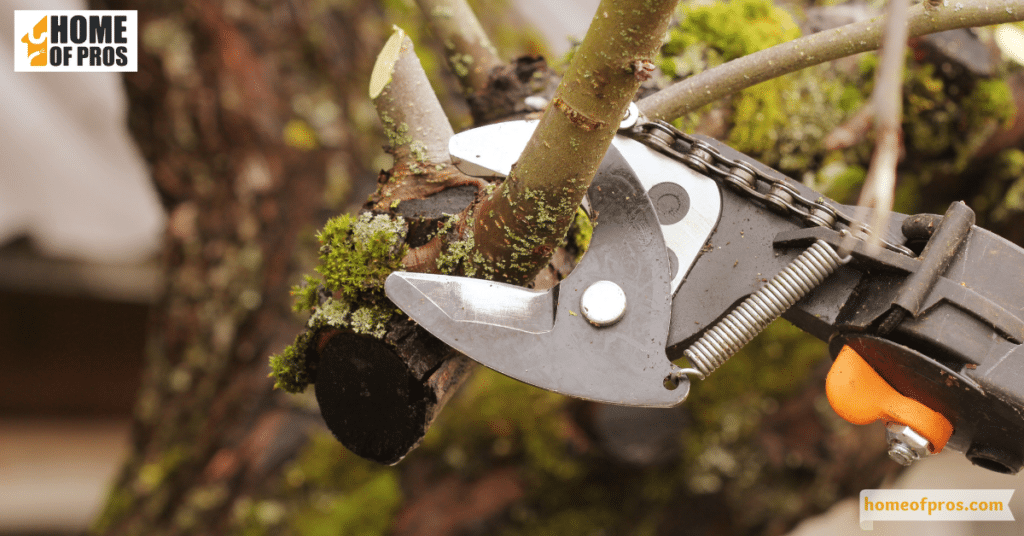
Overhanging tree branches pose a real danger to the well-being of your roof. These branches can continuously rub against your roof, causing abrasions and potentially dislodging roofing materials. Additionally, leaves and debris from these branches can accumulate, worsening the potential for damage.
To minimize this risk, it’s essential to establish a routine of trimming back branches that come within roughly 10 feet of your roof’s surface. This straightforward practice plays a significant role in maintaining your roof’s structural integrity and preventing the accumulation of debris that could harm your roof.
4. Check for Leaks and Water Damage
Vigilance in the aftermath of heavy rainfall or storms is crucial to detecting and addressing potential roof-related issues promptly. Carefully inspect your attic or ceilings for telltale signs of water leaks and water damage.
Keep an eye out for water stains, discoloration, or peeling paint on your ceilings, as these are often indicative of a roof leak. Furthermore, a thorough examination of your attic can reveal any dampness or mold growth, both of which signal ongoing moisture issues that require immediate attention.
5. Repair or Replace Damaged Roofing Materials
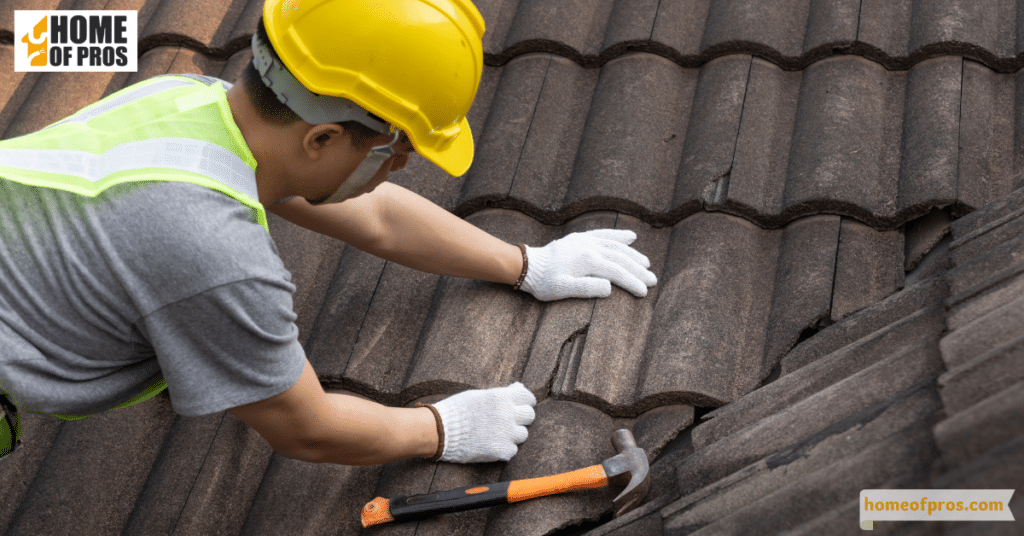
If your inspection reveals any damaged or missing roofing materials, swift action is essential. The replacement of missing shingles or tiles is imperative to ensure your roof’s protective barrier remains intact. Equally important is addressing any compromised flashing, as this component serves as a critical defense against water infiltration.
By tackling these issues promptly, you not only prevent further damage to your roof but also safeguard your home’s interior from the potential harm caused by water leaks. Timely repairs or replacements in response to damaged roofing materials are an integral part of responsible roof maintenance, ensuring that your home remains safe, dry, and protected from the elements.
6. Schedule Professional Maintenance
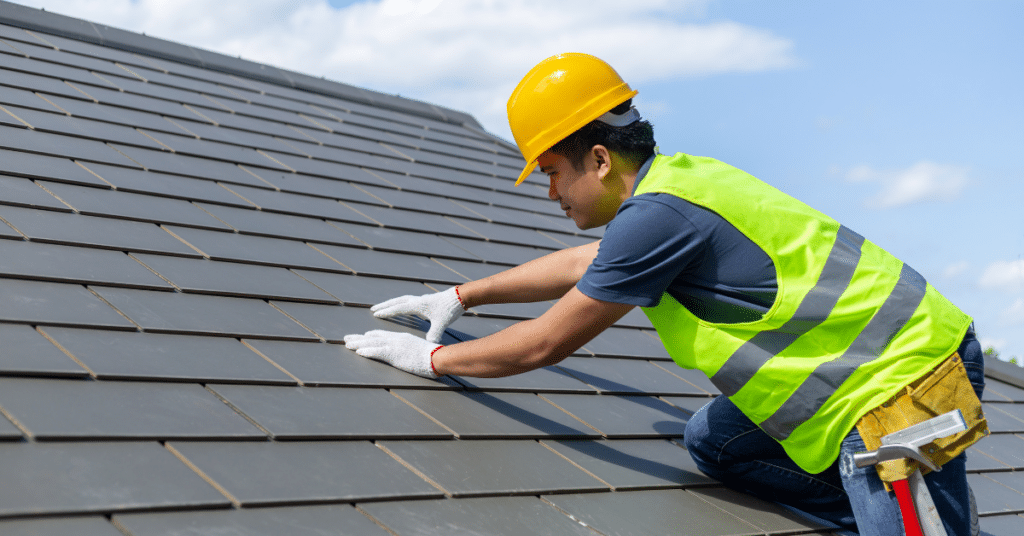
While personal vigilance and maintenance are vital, engaging the services of a professional roofing contractor every 3-5 years is a prudent investment in the long-term health of your roof. These experts possess the specialized knowledge and experience required to uncover hidden issues, evaluate your roof’s overall condition, and provide invaluable recommendations for maintenance or repairs.
Regular professional maintenance not only extends your roof’s lifespan but also helps you catch and address potential problems early on, thereby saving you significant costs and headaches down the road.
Conclusion
In summary, consistent roof maintenance is essential for preserving your home’s integrity and value. Follow the six key steps outlined in this guide: annual inspections, gutter cleaning, branch trimming, leak checks, timely repairs, and professional maintenance.
Proper attic ventilation and insulation are also crucial. Investing in high-quality roofing materials during replacement is a wise choice. Regular maintenance is not just about protecting your home; it’s an investment in long-term security and savings.