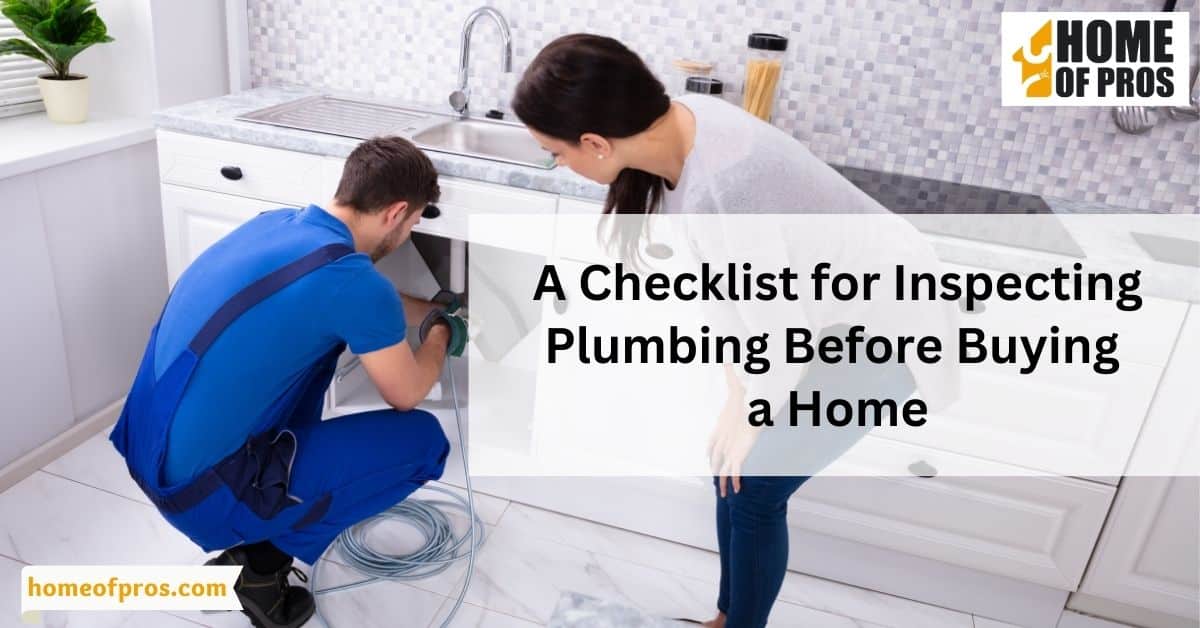
Before purchasing a home, scrutinizing its plumbing can save you from future headaches and unexpected costs. Always ensure there are no visible leaks, the water pressure is consistent, and the sewer system is in prime condition. A thorough inspection today can prevent a flood of problems tomorrow.
When purchasing a home, it’s easy to be captivated by its aesthetics, but what lies beneath—the plumbing system—is equally vital. Inspecting this often-overlooked component can result in significant long-term savings and peace of mind. Before diving into that dream home, ensure its plumbing foundation is sound; your future self will thank you.
1. Visible Leaks and Damage
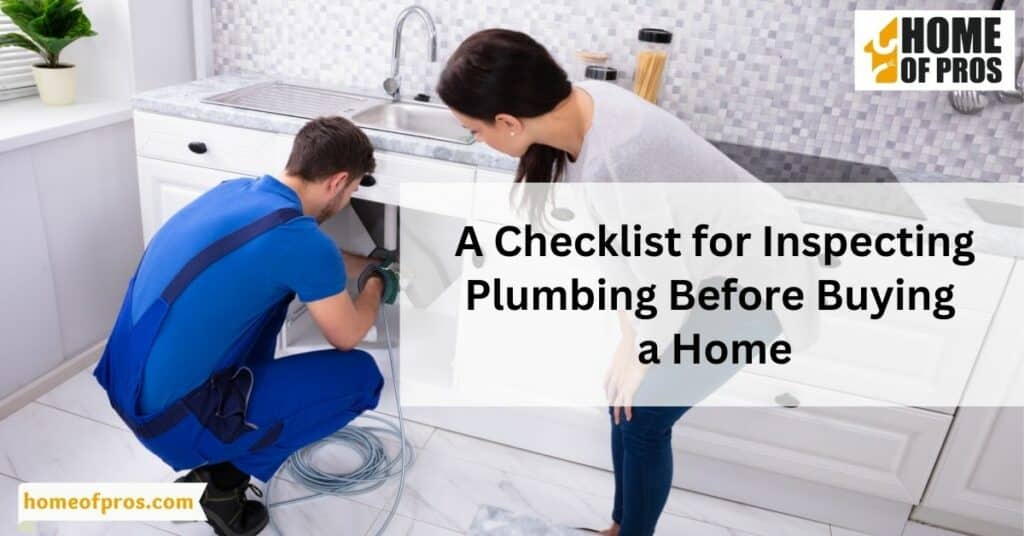
It’s essential to inspect various plumbing fixtures, such as faucets, showers, toilets, and the areas under sinks, for signs of drips or puddles. These visible leaks can be early indicators of plumbing problems that might require immediate attention. Additionally, be vigilant in examining ceilings, walls, and floors for water stains. These stains can serve as visual evidence of past or ongoing leaks, offering valuable insights into the home’s plumbing history and potential issues that need addressing.
2. Water Pressure
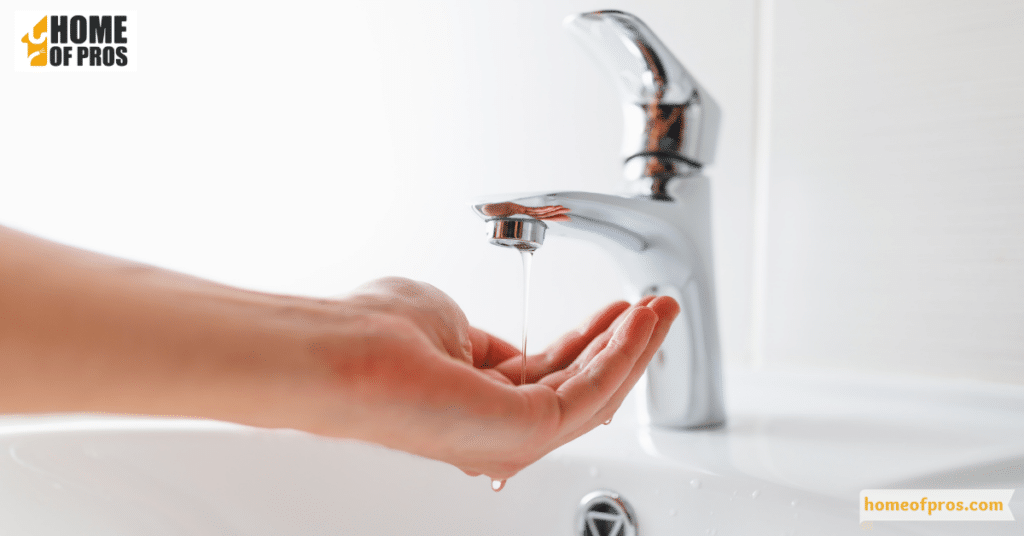
Adequate water pressure is crucial for daily comfort and efficient use of plumbing fixtures. To assess water pressure, test faucets and showers throughout the house. Look for consistent and adequate flow; weak or inconsistent pressure could indicate underlying plumbing problems. Additionally, check the toilets to ensure they flush smoothly without any issues like slow refilling or incomplete flushing, which might be signs of water pressure irregularities.
3. Water Heater
The water heater plays a central role in providing hot water for various household needs. When inspecting it, focus on two aspects: age and condition. Older water heaters are more prone to rust, corrosion, and wear and tear, potentially leading to leaks or reduced efficiency. Examine the water heater closely for visible rust, leaks, or any visible signs of physical degradation, as addressing these issues can be essential for long-term functionality and safety.
4. Drains
Proper drainage is vital to prevent clogs and backups that can disrupt daily life. Ensure that sinks, bathtubs, and showers drain quickly and without blockages. Slow drainage can indicate obstructions in the pipes or a potential plumbing problem. Additionally, listen for gurgling noises during drainage, as they may signal issues further down the drain system, such as tree root infiltration or sewer line problems, which should be addressed promptly.
5. Toilets
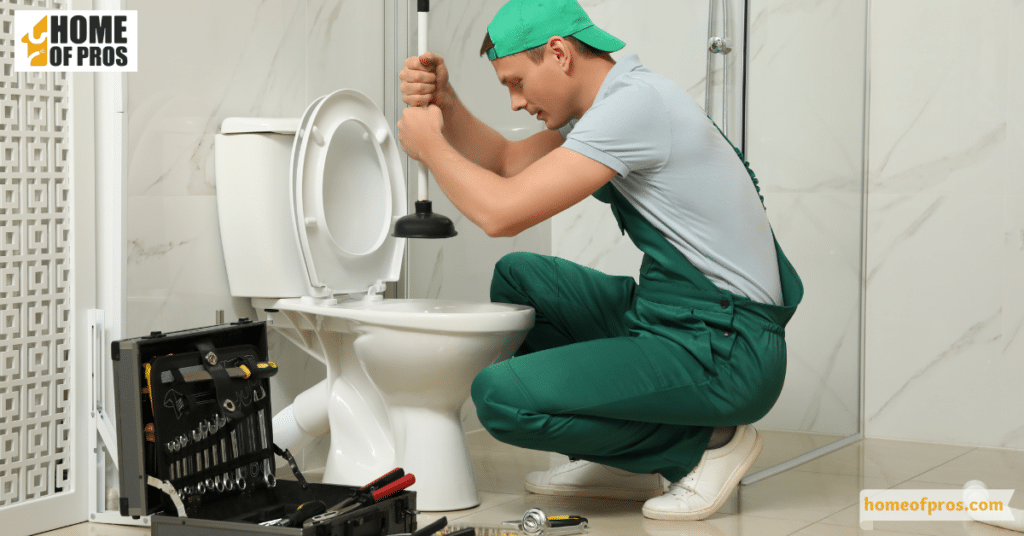
Toilets are a fundamental plumbing fixture in any home, and their proper functioning is crucial. During the inspection, first, check for signs of leaks around the base of the toilet, which can lead to water damage and even structural issues over time. Next, test the flush strength by flushing the toilet. Ensure that the flush is robust and complete, with the tank refilling correctly afterward. Weak or incomplete flushing could indicate issues with the toilet’s mechanism or water supply, which may require repair or replacement.
6. Pipes
Begin by examining exposed pipes for any visible signs of rust, corrosion, or physical damage. These issues can weaken the integrity of the plumbing system and lead to leaks or bursts. Additionally, it’s essential to determine the type of piping material used, whether it’s copper, PVC, or another material, as each has a different expected lifespan. Assessing the condition and material of the pipes helps gauge the potential maintenance or replacement costs in the future.
7. Sewer System
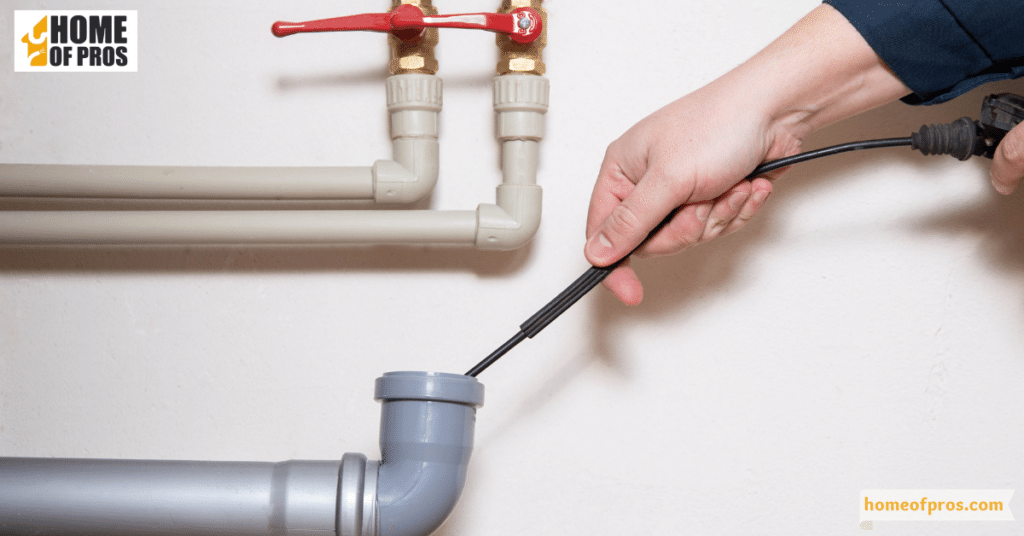
The sewer or septic system is a critical component of a home’s plumbing infrastructure. Inquire about its age and overall condition with the seller or real estate agent. A well-maintained sewer system is essential to prevent unpleasant and costly issues. To ensure a more thorough assessment, consider investing in a professional sewer line camera inspection, which can reveal hidden problems like blockages or damage that might not be evident through a simple visual inspection.
8. Water Quality
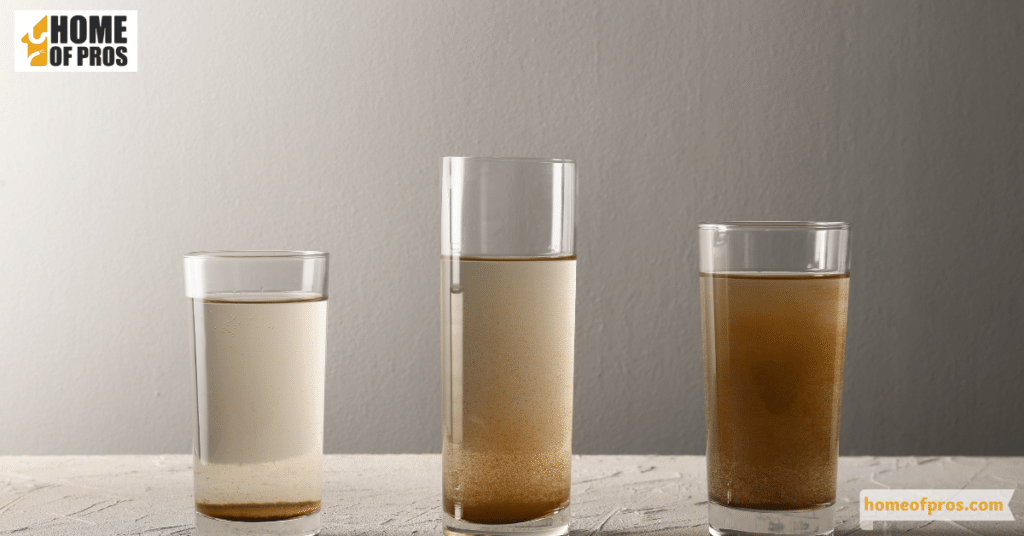
The quality of the water in your prospective home is a vital aspect of plumbing inspection. Begin by testing the water for clarity, making sure it appears clear and free from any visible impurities. Additionally, be attentive to any unusual odors or tastes, as these can be indicators of water quality issues. For a comprehensive evaluation, especially if the property relies on well water, consider arranging a professional water quality test. This test can provide detailed information about the presence of contaminants and help you make informed decisions regarding water treatment or filtration systems.
9. Shutoff Valve
The main water shutoff valve is your lifeline in emergencies or when plumbing repairs are necessary. Locate this valve and ensure that it functions correctly. In the event of a water emergency or the need for plumbing repairs, knowing how to turn off the water supply to the entire house can prevent further damage and inconvenience.
10. Outdoor Spigots
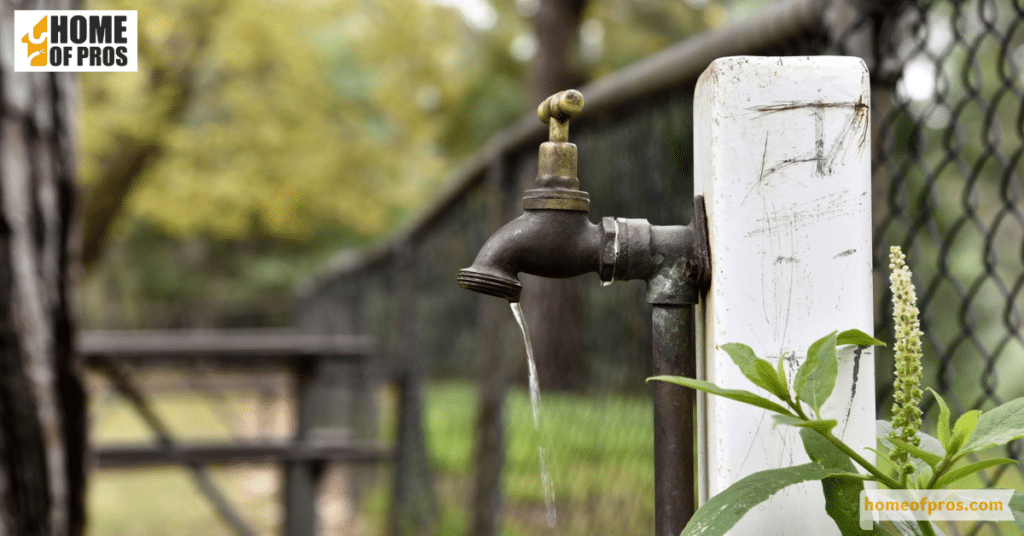
Don’t forget to test the outdoor spigots, as they are essential for various outdoor tasks. Check for any signs of leaks around these external faucets and confirm that they provide proper water flow. Outdoor spigots should be in good working condition to support tasks like watering the garden or washing your car.
Conclusion
By meticulously assessing visible leaks, water pressure, water heaters, drains, toilets, pipes, sewer systems, and water quality, you can uncover potential issues, safeguard your investment, and ensure your future home remains a haven of comfort and convenience. Remember to locate the main water shutoff valve and check outdoor spigots for good measure, as they play essential roles in day-to-day life.