
Embrace sustainable living with eco-friendly plumbing solutions for your home. Consider installing low-flow faucets and showerheads to reduce water consumption, or opt for a solar water heater to harness the power of the sun. Greywater systems can also be implemented to reuse household water for gardening, promoting both water conservation and a greener environment.
In an era where sustainability is paramount, eco-friendly plumbing emerges as a vital player in our homes. These green plumbing solutions not only serve the environment by conserving water and reducing energy use but also offer homeowners tangible cost savings. Delving into this topic, we’ll discover how sustainable plumbing is a win-win, championing both environmental conservation and financial prudence.

1. Low-flow faucets and Showerheads
Water conservation begins at home, and one of the simplest ways to achieve this is by introducing low-flow faucets and showerheads. These fixtures are specifically designed to use significantly less water than standard models. The reduced flow rate is achieved without sacrificing water pressure, thanks to advanced technology and design. The ecological impact of this reduction is substantial.
Less water usage means less strain on local water supplies and a decreased need for energy-intensive water treatment processes. For homeowners, the benefits are twofold: not only do they contribute to the conservation of vital resources, but they also see notable reductions in monthly water bills. Modern low-flow designs guarantee homeowners won’t have to compromise on performance or aesthetic appeal.

2. Solar Water Heaters
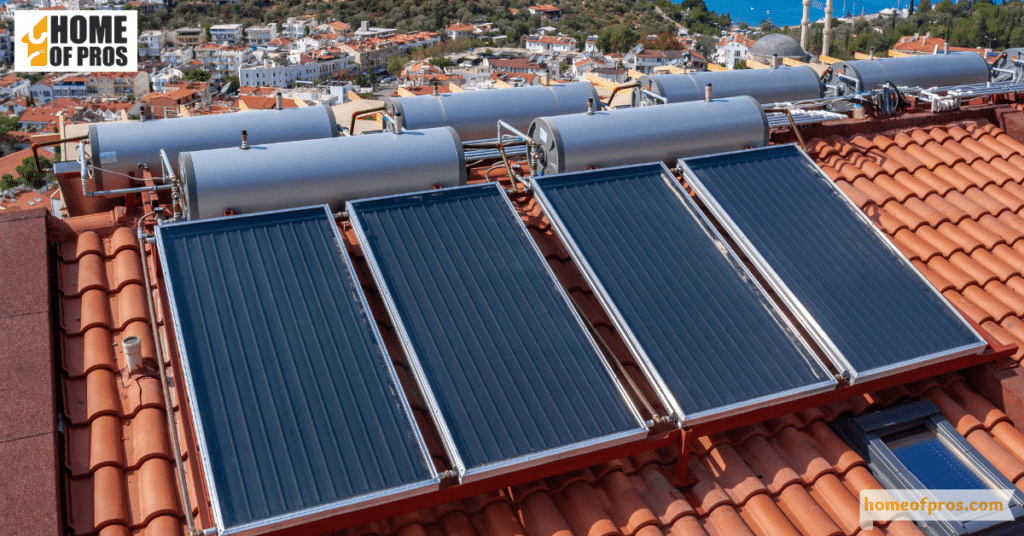
Solar water heaters represent a remarkable leap towards sustainable living, merging traditional heating methods with the sun’s abundant energy. These systems work by capturing solar radiation through solar panels or collectors, which then transfer the absorbed heat to the water. Given that solar energy is both renewable and abundant, it eliminates the need for fossil fuels, thus dramatically reducing greenhouse gas emissions.
Although the initial outlay for a solar water heater might seem daunting, the ROI, in the long run, is impressive. Homeowners can expect a substantial decrease in their monthly energy bills, often recouping their initial investment in just a few years. When considering installation, the positioning of the panels is pivotal. They generally yield the best results on south-facing rooftops where they can receive unhindered sunlight throughout the day.
3. Greywater Systems
Greywater, the byproduct of everyday household activities like showering or washing hands, is a precious resource that often goes underutilized. Systems are designed to redirect this otherwise wasted water for reuse, cutting down on the home’s overall water consumption. By channeling this water for purposes like flushing toilets or irrigating gardens, the demand for community water supplies decreases, reducing the stress on local ecosystems.
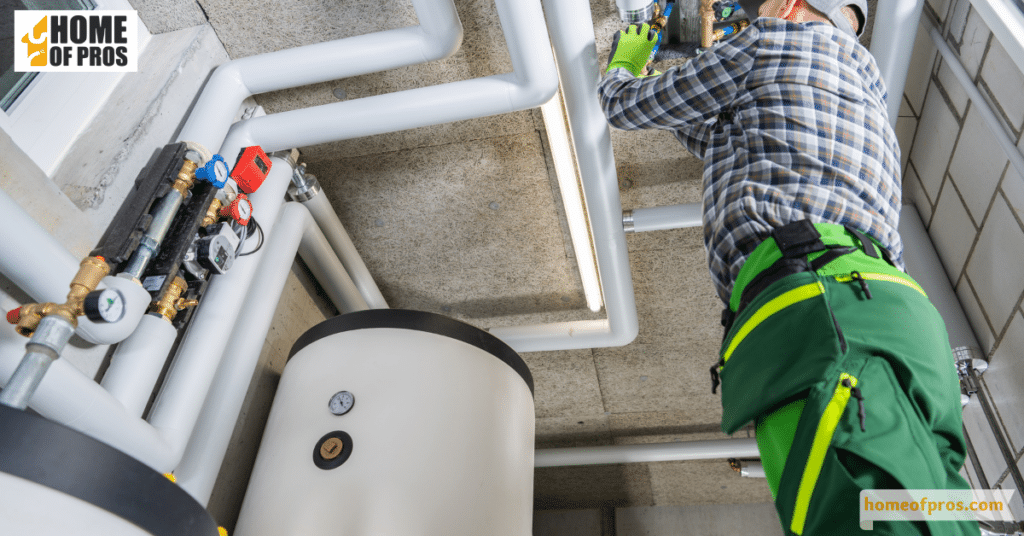
Installing a greywater system requires an understanding of the household’s water usage patterns and plumbing configuration. To ensure the system functions efficiently over the years, it’s vital to use biodegradable soaps and detergents and to perform routine maintenance checks.
4. Dual-Flush Toilets
The bathroom, surprisingly, is where most household water is used, making water conservation in this area crucial. Dual-flush toilets are a modern solution to this age-old problem. Instead of a one-size-fits-all flush, these toilets have two options: a lighter flush for liquid waste and a standard flush for solids. The mechanism behind this is simple yet effective, often using a split button or two separate buttons for the different flush volumes.
The result? A drastic reduction in water usage, sometimes by up to 67%. Not only does this mean less strain on the environment, but homeowners also enjoy decreased water bills. The growing ubiquity of dual-flush toilets globally speaks volumes of their practicality and efficiency.

5. Pipe Insulation
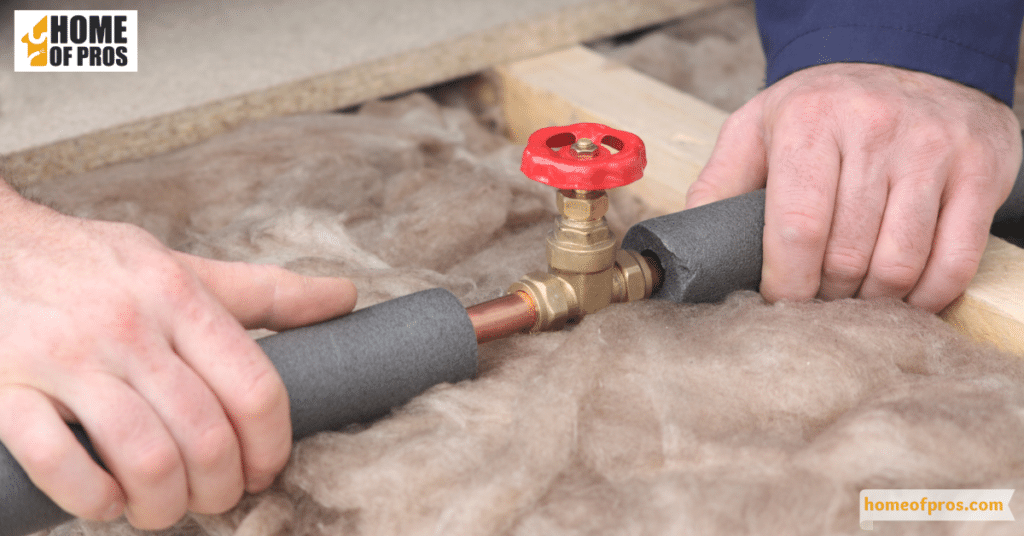
Conserving energy at home is not always about grand gestures; sometimes, it’s the subtle changes that make a significant difference. Insulating pipes is one such step. By wrapping pipes in insulation, the water inside retains its temperature for longer, be it hot or cold. This reduces the need for water heaters or coolers to work overtime, saving energy.
There’s a variety of insulating materials available, from eco-friendly options like wool or cotton to more traditional choices like fiberglass or foam. For those handy around the house, DIY installation can be a weekend project. However, for a thorough job, especially in hard-to-reach areas, consulting with a professional might be best.
6. Rainwater Harvesting
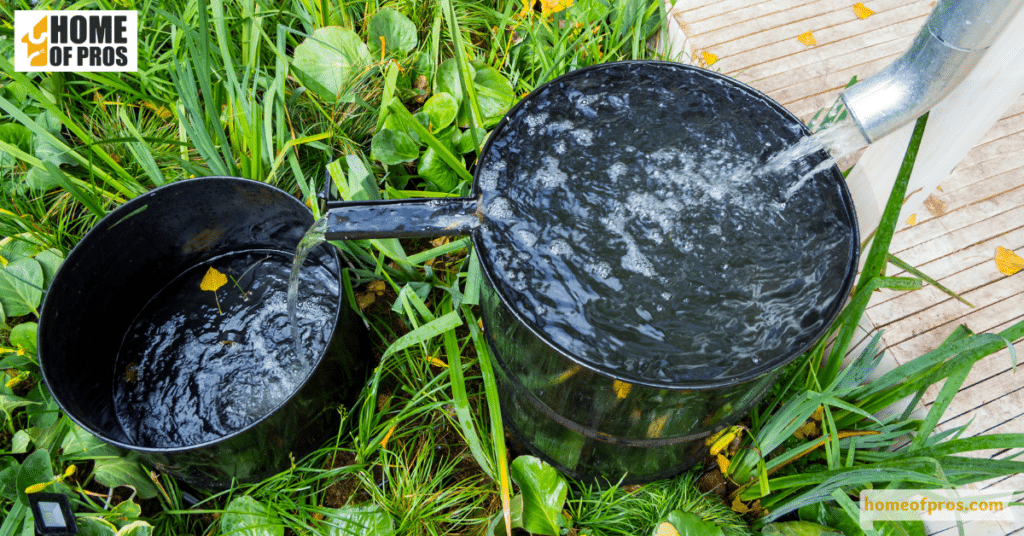
Turning to the skies for a sustainable water solution, rainwater harvesting is an age-old practice, now seeing a resurgence in modern homes. The principle is straightforward: collect the rainwater that falls on rooftops, filter and store it, and then use it as needed. This not only reduces the demand for municipal water sources but also provides a buffer during times of drought or water restrictions.
The implementation can be as simple as a single rain barrel or as complex as underground cisterns with integrated filtration systems. Factors such as roof material, local climate, and intended use of the harvested water will dictate the system’s design. Like all systems, consistent maintenance, like clearing debris from collection areas and checking filters, ensures longevity and efficiency.
Conclusion
The pathway to a sustainable future is paved with informed choices, especially within the confines of our homes. From harnessing the sun’s energy for heating water to maximizing the use of greywater and rainwater, there are a myriad of eco-friendly plumbing solutions available. Each of these not only bolsters our commitment to the environment but also offers tangible benefits in the form of cost savings.
It’s evident that adopting these methods isn’t just about being eco-conscious; it’s also a strategic decision for homeowners in the long run. As we continue to navigate the challenges of the modern world, integrating such sustainable practices becomes not just a choice, but a responsibility we hold towards our planet and future generations.