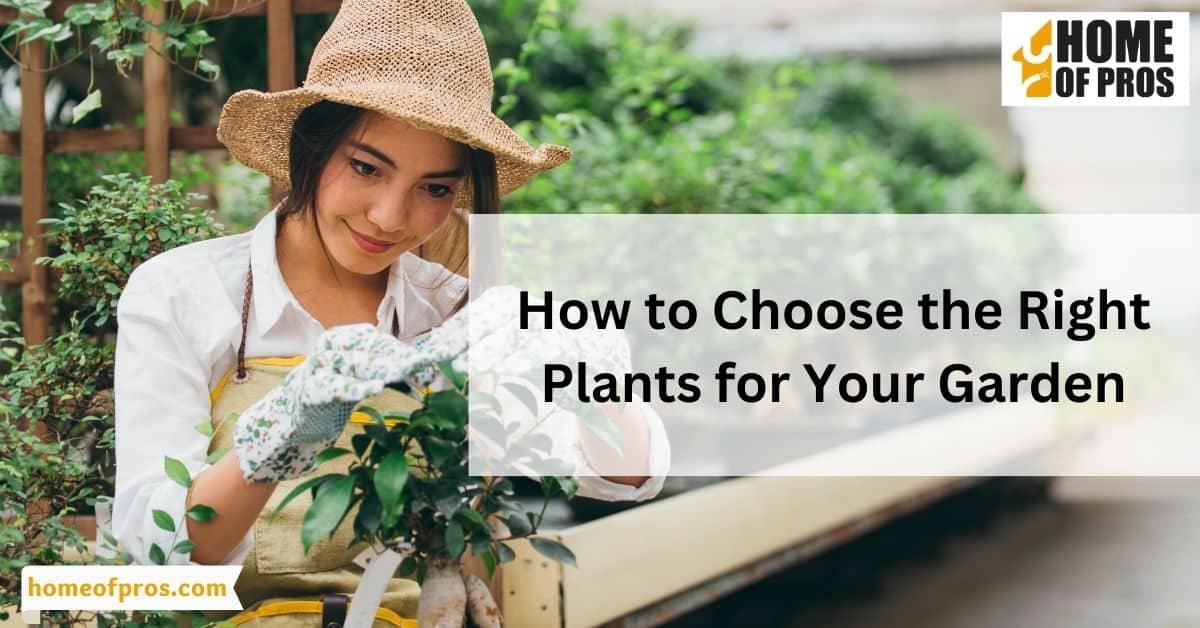
Selecting the right plants for your garden requires considering your local climate, soil type, and sunlight availability. Research plants that thrive in your specific conditions, and prioritize native species that support local ecosystems. Lastly, visualize your garden’s design, ensuring a mix of sizes, colors, and bloom times for year-round appeal.
Gardening is both an art and a science, with every thriving garden rooted in the thoughtful selection of its plants. Beyond mere aesthetics, choosing the right plants ensures sustainability, ease of maintenance, and a harmonious ecosystem. Delve into the intricacies of plant selection and lay the foundation for a vibrant garden oasis.
Understanding Your Local Climate and Microclimates
Every successful garden is attuned to its local climate, anchored in the knowledge of hardiness zones that denote regional temperature extremes. Beyond this, gardens often house microclimates—localized areas with unique weather conditions, influenced by factors like structures, terrain, or water bodies.
To cultivate a flourishing garden, it’s essential to grasp your region’s hardiness zone and identify any microclimates. By aligning plant choices with these climatic insights, gardeners can ensure healthier, more resilient green spaces that sync beautifully with nature.

Soil Types and How They Impact Plant Growth
The foundation of a flourishing garden often lies hidden beneath our feet. Soil, far from being a mere backdrop, plays a starring role in determining plant health and growth. By understanding its various types and characteristics, we can make informed choices that let our gardens thrive.
1. Sandy Soil
Composed predominantly of large, coarse particles, sandy soil is recognized for its quick drainage. This feature makes it particularly well-suited for plants that thrive in drier conditions, such as succulents or certain Mediterranean herbs. However, its rapid drainage also means that it can dry out swiftly, leading gardeners to water their plants more frequently. Another challenge with sandy soil is its limited ability to retain nutrients, so plants might require additional fertilization for optimal growth.
2. Clay Soil
Contrary to sandy soil, clay is made up of tiny, densely packed particles, which gives it a characteristically heavy texture. This denseness means it retains moisture exceptionally well, becoming a sanctuary for plants that require consistent hydration, like ferns or certain flowering plants. But this retention also comes with its drawbacks. Clay soil can become overly waterlogged and can compact easily, limiting the amount of oxygen available to plant roots.
3. Silt Soil
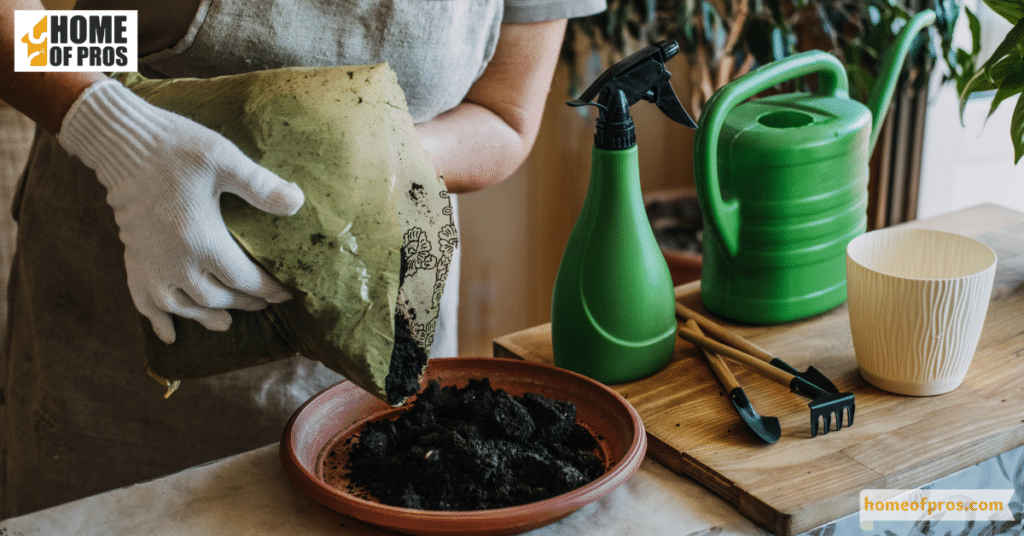
Occupying a middle ground between sandy and clay soils, silt boasts a fine, smooth, and silky texture. This texture arises from its intermediate-sized particles, which allow it to retain moisture more effectively than sandy soil but drain better than clay. The resulting moisture balance is conducive for a vast array of plants. Its potential drawback, however, is that it can be prone to compaction and might require regular aeration to maintain its structure.
4. Loamy Soil
Often celebrated as the pinnacle of gardening, loamy soil is a harmonious mix of sand, silt, and clay particles. This combination ensures that loam maintains the best properties of all three types: it offers good drainage, retains ample moisture, and keeps nutrients well-balanced. Its well-structured texture ensures easy root penetration and a healthy air-water balance, making it the ideal choice for a diverse range of plants, from vegetables and fruits to ornamental varieties.
Soil, in its myriad forms, holds the key to plant prosperity. By attuning our gardening practices to the unique needs of our chosen soil type, we lay the groundwork for a vibrant and resilient garden, ready to bloom in all its glory.
Sunlight and Shade: Determining Your Garden’s Lighting Conditions
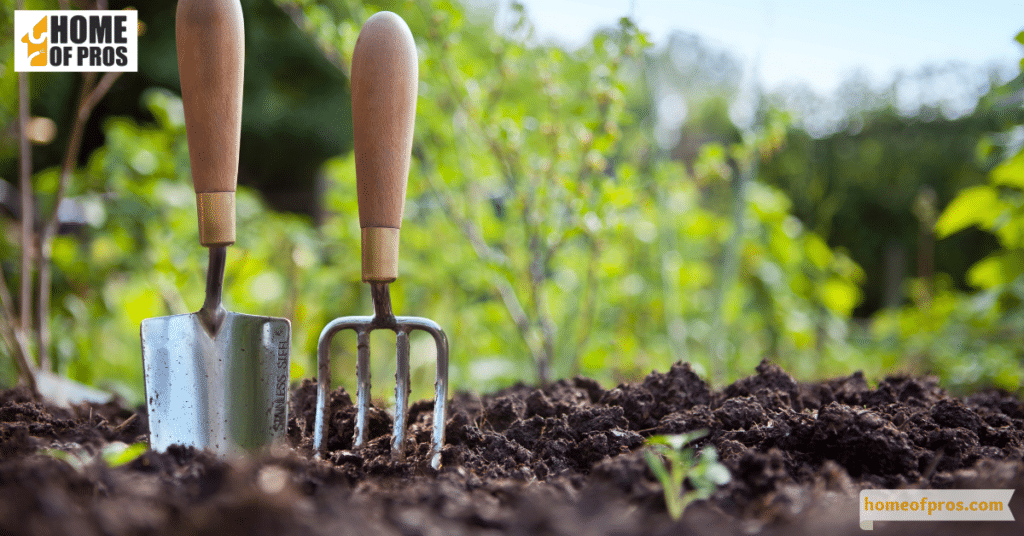
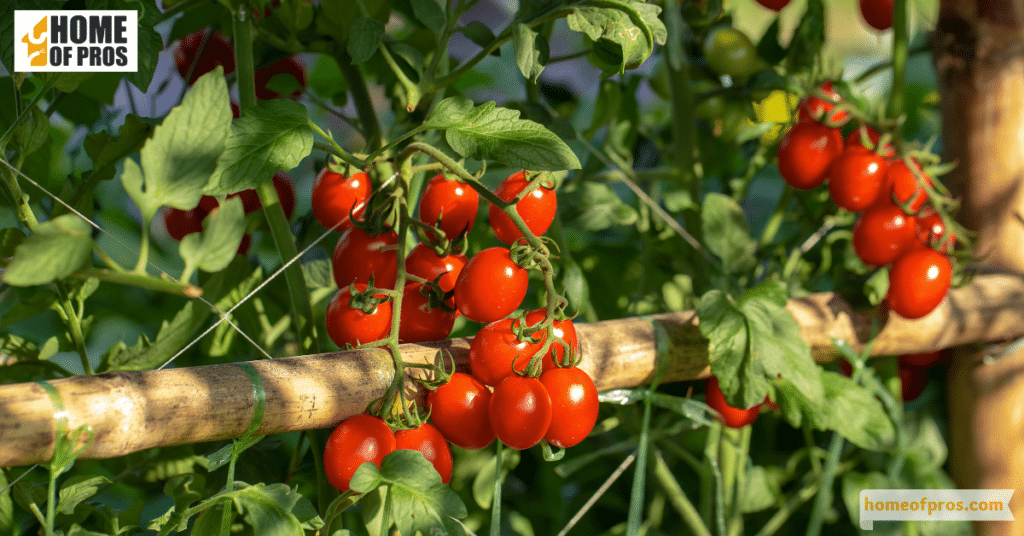
The health of a garden is closely tied to its sunlight and shade levels. It’s essential to gauge your garden’s daily light exposure, as each plant’s growth and bloom depend on specific light requirements. Assessing light can be as straightforward as a day’s observation or using sunlight meters from gardening shops. For sun-drenched gardens, choose plants like lavender or tomatoes, while areas with mixed light are apt for hydrangeas or ferns. Shadowed spots suit plants such as hostas or astilbe. Matching plants with the right light conditions optimize garden growth and beauty.
Prioritizing Native Plants for Sustainability and Biodiversity
In the quest for a garden that not only looks beautiful but also harmonizes with nature, prioritizing native plants emerges as a profound choice. These indigenous species have evolved over millennia to fit perfectly within their local environments, bringing forth a slew of advantages for both the gardener and the surrounding ecosystem.
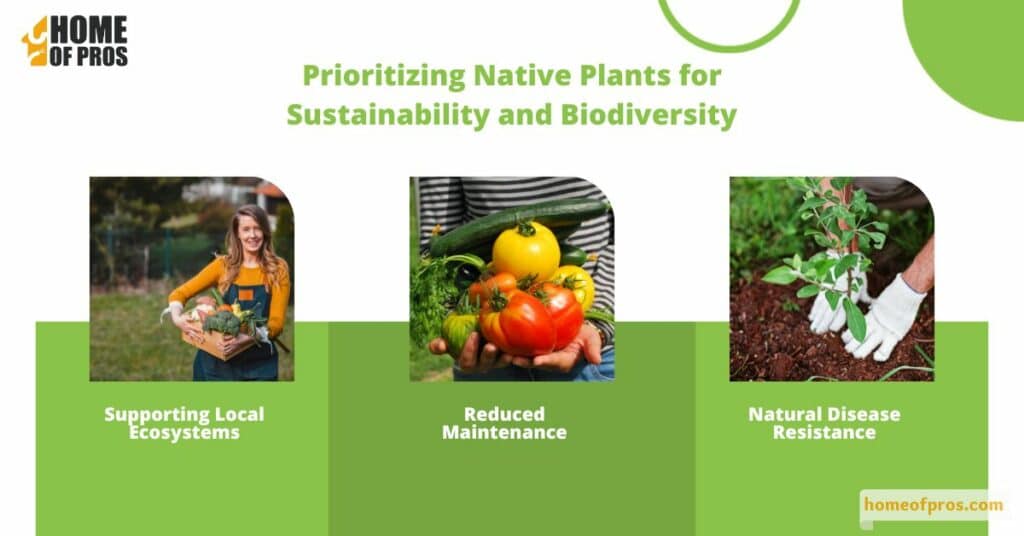
- Supporting Local Ecosystems: Native plants provide habitat and nourishment for local wildlife, from beneficial insects to birds and small mammals, fostering a vibrant and balanced ecological web.
- Reduced Maintenance: Acclimated to local conditions, native plants often require less water, fewer fertilizers, and minimal care compared to exotic species, leading to more sustainable gardening practices.
- Natural Disease Resistance: Having evolved in the local environment, these plants possess a heightened resistance to many pests and diseases prevalent in the area, minimizing the need for chemical interventions.
Choosing native plants isn’t just a nod to the beauty of local flora, but a conscious step towards sustainability and enhanced biodiversity. By embracing the indigenous treasures of our regions, we contribute to a gardening approach that celebrates nature in its purest, most authentic form.
Conclusion
Crafting a garden that exudes beauty throughout the year is an art interwoven with science. By meticulously considering plant heights, hues, textures, and bloom periods, and strategically layering and introducing focal points, one can transform a garden into a dynamic tableau. This ever-evolving display not only captures the essence of each season but also provides endless delight to its beholders.