Embracing an eco-friendly garden benefits the environment and ensures a thriving, biodiverse space. Prioritize native plants to conserve water attract local wildlife, and utilize natural compost over chemical fertilizers for healthier soil and plants. We can cultivate gardens that resonate with nature’s rhythm and beauty by harnessing sustainable practices.
Eco-friendly gardening merges our love for green spaces with sustainable practices, emphasizing conscious choices that benefit nature and our environment. By adopting these approaches, gardeners not only conserve vital resources but also champion a healthier planet.
1. Choosing the Right Plants: The Importance of Native Species
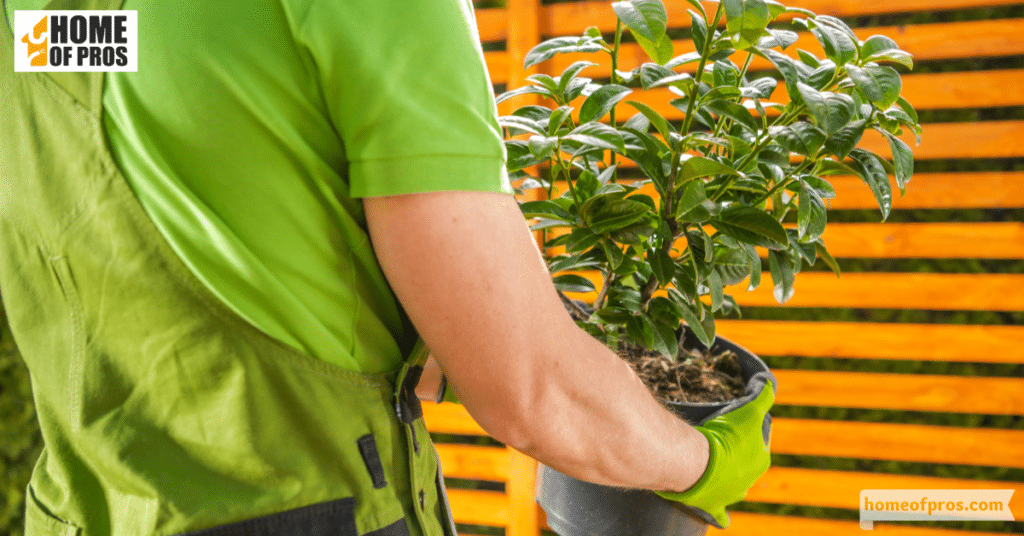
Embracing native species in gardening isn’t just a trend, but a nod to the natural heritage of a region. Native plants, having evolved in their local environments, have developed unique adaptations that allow them to thrive with minimal intervention. This translates to a lesser need for water, resistance to many native pests and diseases, and an inherent ability to support and attract local wildlife.
Moreover, they help to preserve the biodiversity of an area. For those keen on incorporating native species, begin by seeking advice from local botanical gardens or horticultural societies. They often have a wealth of knowledge and resources, including plant sales and guides tailored specifically to your region.
2. Organic Soil and Compost: Nourishing the Garden Naturally
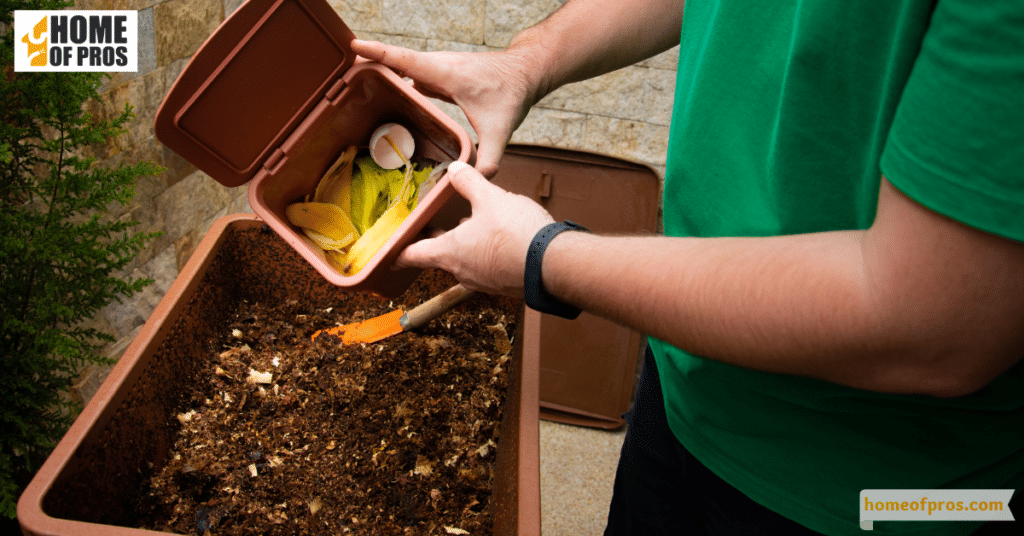
While chemical fertilizers might offer a quick fix, they often come at the expense of long-term soil health. They can kill beneficial microorganisms, leading to soil degradation and eventually, dependency on these chemicals. Organic compost, in contrast, acts as a holistic soil enhancer. It gradually releases nutrients, aids in soil aeration, and fosters microbial life.
Composting is a rewarding cycle where you can reuse kitchen waste, like vegetable scraps, coffee grounds, and eggshells, combined with yard waste, to create a potent and nutrient-rich mix. Over time, this natural method of nourishing the soil proves more economical and far more beneficial for the garden ecosystem.
3. Natural Pest Control: Ditching Chemicals for Nature’s Solutions
While chemical pesticides might bring immediate results, their long-term impact on the ecosystem can be devastating. These chemicals can destroy beneficial insects, pollute waterways, and even harm the plants they’re meant to protect. Nature, however, offers myriad solutions. Beneficial insects, like predatory beetles, spiders, and parasitic wasps, can keep harmful pest populations in check.
The age-old practice of companion planting, where certain plants are grown together due to their complementary nature, can deter pests. For instance, marigolds can repel nematodes, while basil wards off mosquitoes and flies. Homemade remedies, from neem oil sprays to chili pepper solutions, can also provide non-toxic and effective pest control.

4. Water Conservation Techniques in the Garden
In an era of changing climate patterns and unpredictable rainfall, water conservation has become more than just an eco-friendly practice—it’s a necessity. Mulching, which involves covering the soil with organic matter like leaves or straw, not only prevents water evaporation but also reduces weed growth. Rainwater harvesting, through barrels or catchment systems, provides an eco-friendly water source that’s free from chemicals commonly found in tap water.
Furthermore, embracing drought-resistant plants or xeriscaping (landscaping designed specifically for areas prone to drought) can drastically reduce a garden’s water demands, ensuring its survival during water-scarce periods.
5. Eco-friendly Garden Tools and Materials
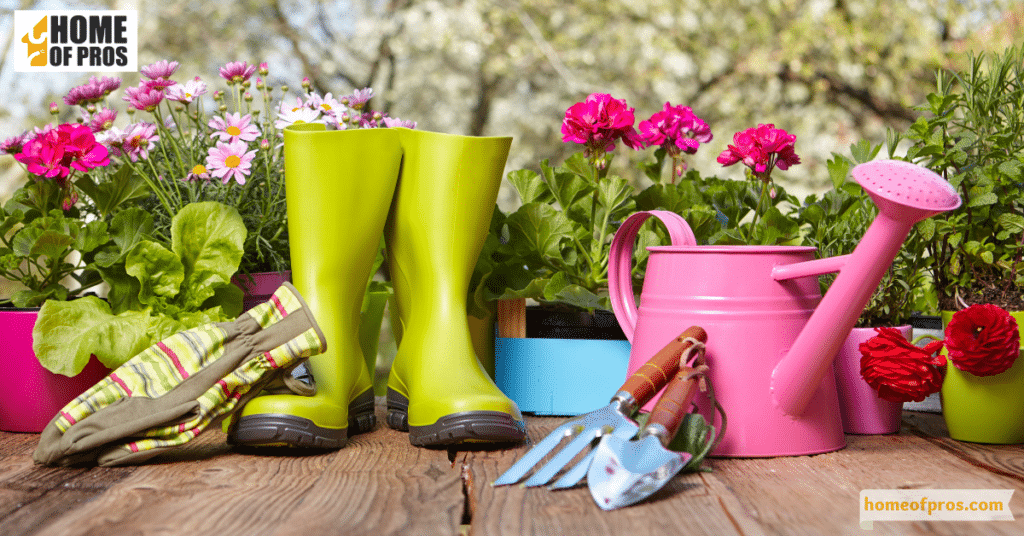
As gardeners, while we might focus on the plants and soil, it’s crucial to remember the tools and materials we use regularly. Many conventional gardening products are made from non-renewable resources, have a high carbon footprint, or degrade slowly, contributing to pollution. Transitioning to eco-friendly alternatives can be a game-changer.
Tools crafted from bamboo or FSC-certified wood, pots made from coir or biodegradable materials, and mulches derived from sustainable sources, all contribute to a holistic green gardening approach. Investing in quality, sustainable tools and materials also ensures longevity, reducing the frequency of replacements.
6. Creating a Biodiverse Sanctuary: Inviting Wildlife into Your Garden
Beyond its aesthetic appeal, a garden bustling with life serves as an indicator of its health and balance. A biodiverse garden acts as a buffer against pests, reduces the need for external interventions, and enhances pollination, ensuring a better yield for fruit and vegetable gardens.
Diversity can be promoted in many ways: Planting a mix of flowering species can attract pollinators, setting up a pond might invite amphibians, and bird feeders or nesting boxes can draw in avian life. Over time, with careful planning and observation, a garden can transform from a mere collection of plants to a thriving ecosystem, echoing the harmony of nature.

Conclusion
Gardens, though seemingly modest spaces, are microcosms of the vast ecosystems that blanket our planet. The journey towards eco-friendly gardening is more than just an environmental commitment; it’s a testament to our intertwined relationship with nature.
Each plant we nurture, every bird we attract, and every drop of water we conserve collectively sends a ripple through the environment, fostering health, diversity, and resilience. As the stewards of our green havens, we possess the power to make decisions that not only elevate the aesthetics of our landscapes but also promote ecological harmony.