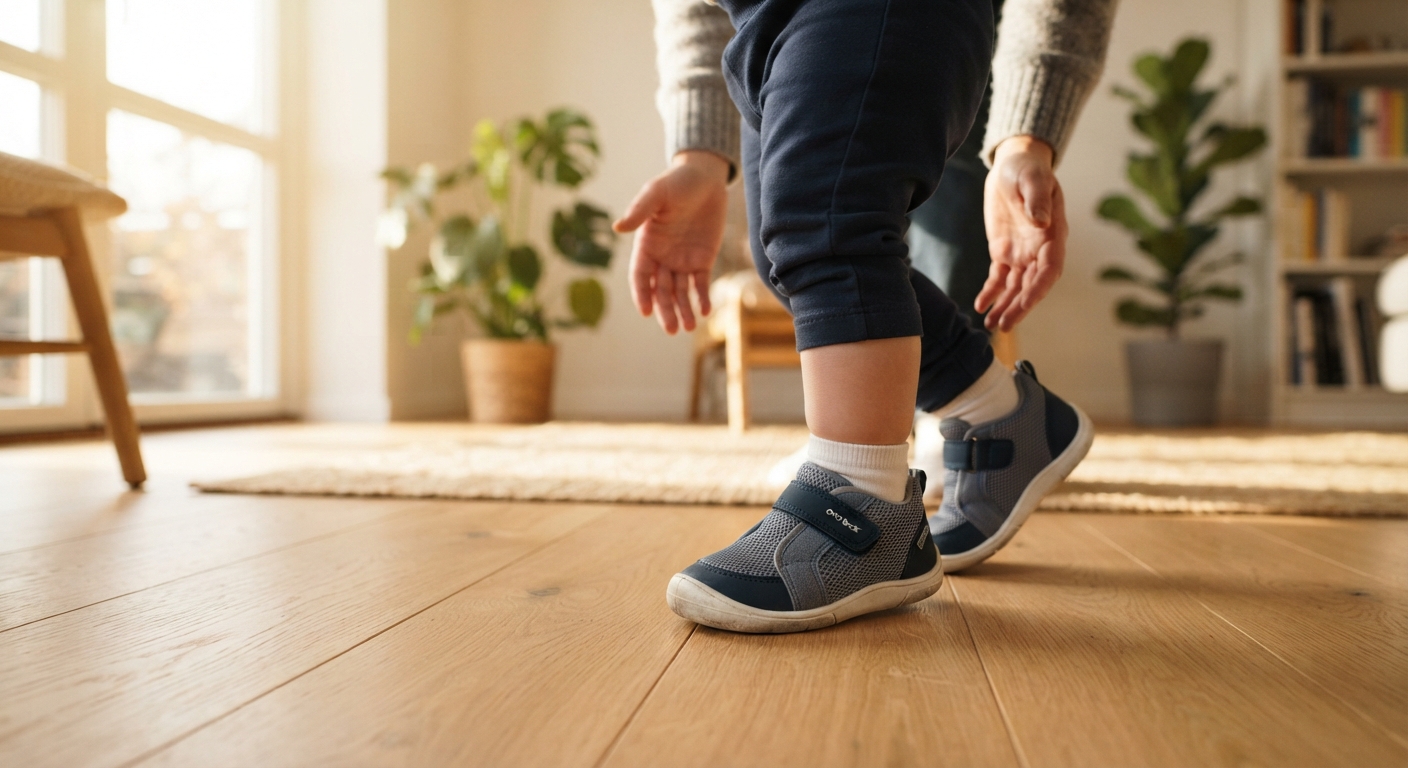
Watching a young child take those very first wobbly steps is a totally unforgettable milestone that warms the hearts of parents everywhere. But let's be real, when those tiny feet seem to point inward or develop unusual arches, it naturally kicks up a whirlwind of questions about early intervention and proper alignment. Navigating the absolutely massive market of pediatric orthotics can feel incredibly overwhelming for any family just trying to make the best possible choice. This guide breaks down the basics for caregivers looking into pediatric orthotics to help support their child's foot development.
Unraveling the Mysteries of Early Pediatric Foot Alignment
Infants are literally born with incredibly soft, pliable bones that are still forming and hardening, making early observation super essential for healthy long-term development. It is actually quite common for newborn babies to show a mild inward curving of the feet, mostly thanks to being totally cramped up during the later stages of pregnancy. Most pediatricians quickly reassure worried families that many of these natural, temporary quirks resolve themselves organically as the child starts bearing weight and cruising around the living room. Even so, staying vigilant and tracking those big developmental milestones helps guarantee that these harmless quirks do not silently turn into permanent structural issues over time.
When that natural correction does not happen as expected, pediatric specialists might point out specific conditions like metatarsus adductus, which basically causes the front half of the foot to turn inward. Caregivers might suddenly notice their toddler tripping over their own feet more often than their playmates or walking with a noticeable curve, which definitely warrants a much closer professional look. Recognizing these subtle signs early in the game is remarkably crucial because the soft, highly moldable nature of a baby's bones allows for super effective, non-invasive adjustments. Addressing structural variations during the first few months can often make any necessary correction process a bit easier for families to manage.
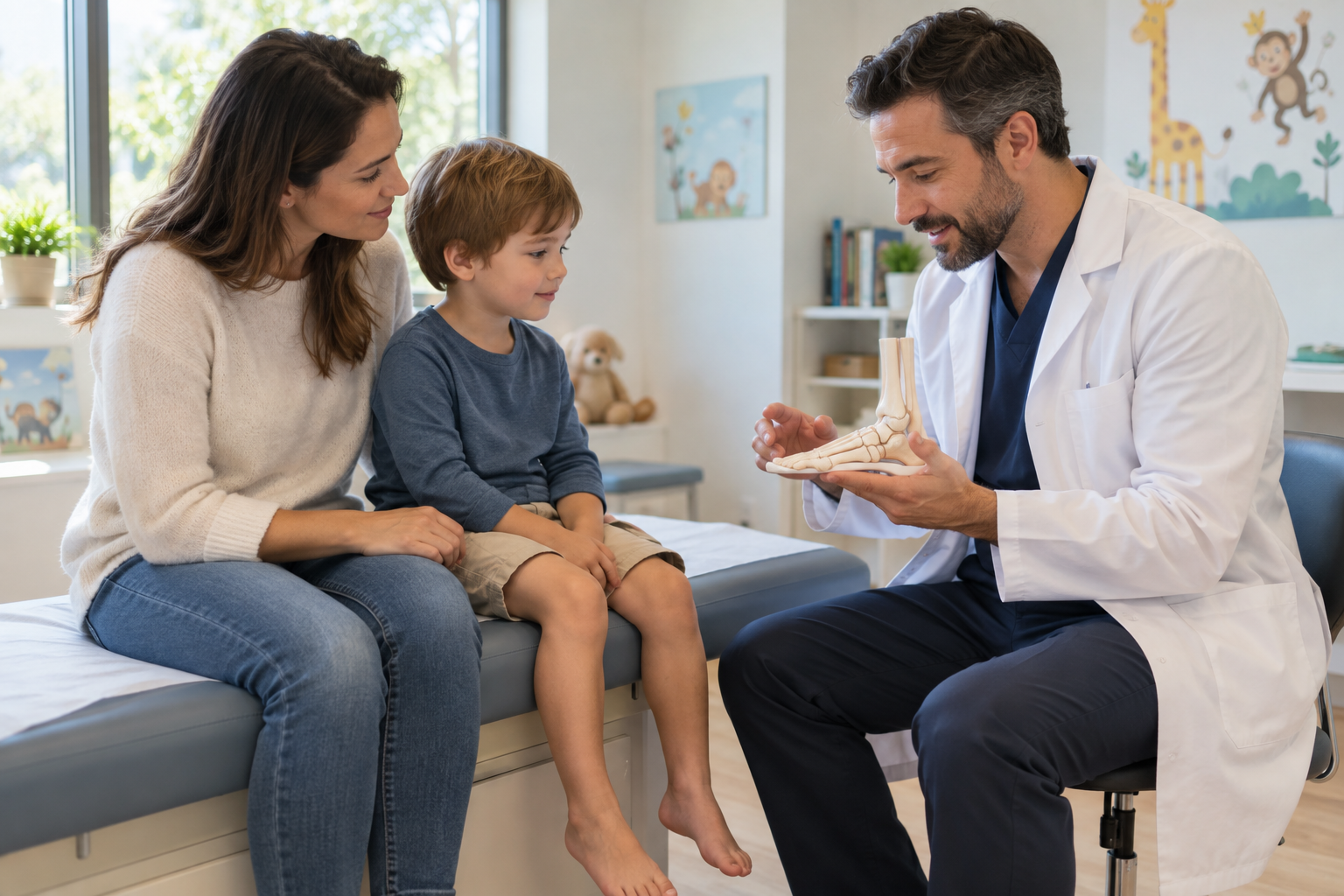
Consulting promptly with a friendly, experienced pediatric orthopedist gives families a crystal-clear roadmap for tackling any structural concerns long before they escalate into bigger problems. These dedicated medical pros use careful, hands-on physical exams to accurately tell the difference between a totally harmless developmental phase and a true anatomical irregularity. Getting a specialized expert opinion helps clear up much of the guesswork, giving families the information they need to make choices about their child's care. Ultimately, scoring a solid, accurate medical diagnosis is the vital very first step toward successfully tracking down the perfect supportive footwear.
Decoding the Big Shift from Observation to Active Intervention
Medical professionals universally recommend a wait-and-see approach for most infant in-toeing, as these conditions are typically flexible and resolve completely on their own without intervention. While observation remains the true gold standard, active interventions and orthotics may be considered by specialists for the small percentage of cases that are rigid or do not correct themselves naturally. Transitioning seamlessly from simple observation to active intervention ensures that growing infants absolutely do not miss that narrow developmental window when their bones are most responsive to shaping.
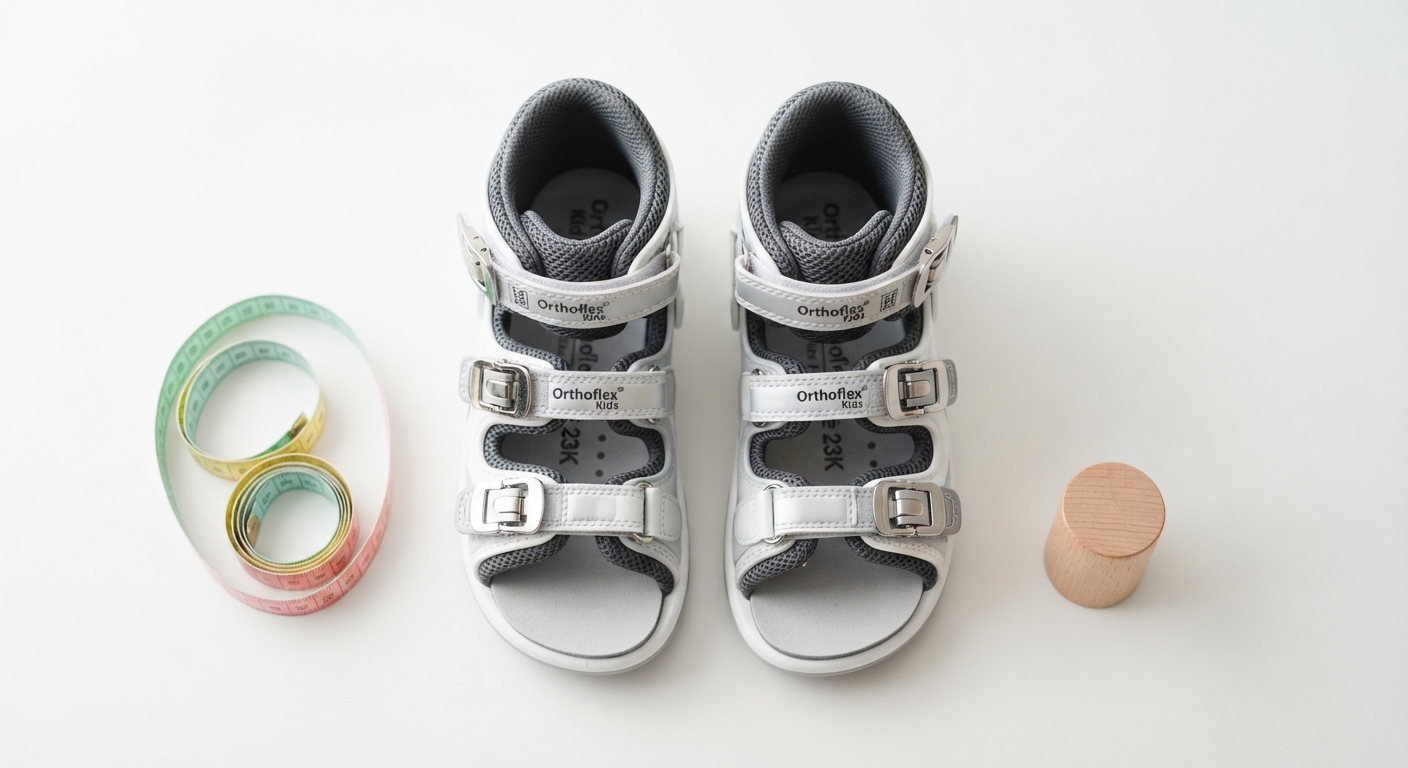
Finding the most appropriate orthopedic solution requires looking way past regular baby sneakers and diving into specialized devices designed specifically to tackle complex foot deformities. A prime, highly successful example of this remarkable medical evolution is the emergence of treatment shoes for babies with pigeon toed, which offer a highly targeted approach without the heavy, cumbersome burden of older casting methods. These incredibly innovative footwear designs apply precise, continuous pressure to gently coax the metatarsal bones back into proper alignment while the baby just rests or plays happily. Unlike standard, over-the-counter supportive inserts, these advanced, clinically proven footwear options actively and safely remodel the underlying foot structure during those universally crucial early months.
Figuring out the absolute best orthotic device involves thoroughly evaluating both the specific clinical severity of the inward curve and the unique, everyday routines of the growing child. Leading physicians today are rapidly moving away from prescribing traditional plaster casts, which are notoriously difficult for modern families to handle, heavily favoring these easily removable therapeutic alternatives. The ease of use associated with contemporary orthotic shoes can help improve daily compliance, making it simpler for the child to stick with the prescribed therapy. Embracing these advanced, super user-friendly medical options allows dedicated families to weave necessary medical care seamlessly into their busy, often chaotic everyday lives.
Key Features to Spot When Shopping for Modern Pediatric Orthotics
It is a pretty well-known fact that not all orthopedic shoes are created equal, and intelligently distinguishing between basic supportive kicks and true medical-grade corrective devices is incredibly important. True, clinically approved orthotics are meticulously engineered based on deep biomechanical research to explicitly address specific congenital abnormalities, ensuring the intervention actually works safely. These highly specialized therapeutic shoes typically feature advanced dynamic hinge systems or carefully molded contours that firmly hold the tiny foot in an optimal therapeutic position all day long. Getting a solid grasp on these technical components helps caregivers feel significantly more confident and empowered when investing in high-quality, long-term health solutions for their toddlers.
One of the absolute most essential factors to thoroughly evaluate is the overall daily comfort and sustainable hygiene of the specific corrective footwear currently on the radar. Sustained comfort directly dictates exactly how well an infant will tolerate wearing a restrictive medical device for extended periods, which is entirely necessary for achieving permanent structural adjustment. Highly innovative contemporary systems prioritize ultra-breathable materials and easily washable components, successfully preventing the severe skin irritation that used to be super common with older, rigid casting methods. When thoroughly evaluating different corrective footwear options, caregivers should always actively prioritize the following essential design features to guarantee both maximum daily comfort and superior clinical efficacy:
- Easily washable inner linings that consistently maintain optimal hygiene and actively prevent painful skin breakdowns.
- Highly adjustable tension mechanisms that seamlessly allow the device to adapt as the infant's foot gently realigns.
- Ultra-lightweight synthetic construction to ensure the infant's natural kicking, crawling, and everyday movements are not restricted.
- Strategically designed open-toe frameworks that permit completely easy, constant visual monitoring of blood circulation and toe positioning.
Moving far beyond just the physical attributes of the corrective shoes, the profound psychological and emotional impact on both the dedicated parents and the developing child absolutely cannot be ignored. Medical devices that actively look sleek and modern, rather than unnecessarily bulky and visually intimidating, profoundly help to normalize the entire treatment process during playdates and family gatherings. Caregivers consistently report experiencing significantly less daily anxiety when they can easily remove the therapeutic shoes for regular, soothing baths and highly beneficial foot massage sessions. Intentionally prioritizing these incredibly user-friendly design features ultimately translates directly into a much happier baby and a far more consistent, effective daily therapeutic routine.
Analyzing the Huge Shift Away from Traditional Serial Casting
Historically, aggressively treating conditions like metatarsus adductus relied incredibly heavily on the widespread practice of serial casting, a restrictive technique originally developed for much more severe clubfoot deformities. This noticeably outdated method involves tightly wrapping the infant's delicate legs in heavy plaster, which must then be dangerously sawed off and reapplied every few weeks by a trained specialist. While this archaic approach certainly immobilizes the foot to force correction, it simultaneously causes immense emotional stress for the family and severely restricts the baby's vital natural sensory development. The broader global medical community is increasingly recognizing that routinely using such unnecessarily aggressive methods for milder inward-turning conditions is highly problematic and frequently completely unnecessary.
Families diligently navigating the complex world of pediatric orthopedic treatments today are incredibly lucky to have widespread access to much smarter, dynamic, and incredibly comfortable corrective technologies. Modern corrective shoes finally place the immense power of gentle, progressive anatomical adjustment directly into the capable hands of parents, completely eliminating the need for constant, highly stressful hospital visits. These incredibly innovative devices offer a remarkably hassle-free, highly elegant medical solution that completely bypasses the severe emotional toll historically associated with rigid, unforgiving plaster immobilization. The straightforward comparison below actively outlines the stark, undeniable differences between traditional plaster casts and modern removable orthotics regarding the overall daily patient experience.
| Treatment Feature | Traditional Serial Casting | Modern Corrective Shoes |
|---|---|---|
| Daily Hygiene | Cannot be exposed to water at all; highly prone to trapped, unpleasant odors. | Easily removable for completely normal, highly comfortable daily bathing. |
| Skin Monitoring | Completely hidden from view; risks severe, undetected pressure sores. | Open, accessible design allows for constant, daily visual skin checks. |
| Patient Comfort | Heavy, highly restrictive, and often causes immense frustration for the child. | Incredibly lightweight, heavily padded, and actively promotes natural leg movement. |
| Clinic Visits | Requires highly frequent, stressful specialist appointments for removal and reapplication. | Managed entirely at home with standard, routine medical check-ins. |
This detailed side-by-side analytical overview clearly demonstrates exactly why contemporary medical professionals overwhelmingly favor removable footwear over archaic plaster casts for correcting mild pediatric foot deformities. Anxious parents are completely spared the overwhelming daily anxiety of frantically trying to keep heavy medical casts perfectly dry during routine bath time or helplessly dealing with hidden skin rashes. Furthermore, the immense practical ability to visually inspect the infant's foot closely every single day ensures that any minor pressure sores are caught immediately before they can evolve into serious complications. Embracing these highly advanced, scientifically backed therapeutic shoes ultimately strongly protects the growing infant's overall psychological well-being while incredibly efficiently correcting their underlying anatomical alignment.
Establishing a Super Successful Daily Routine for Little Feet
Successfully introducing any entirely new medical device to a highly sensitive young baby requires a remarkably delicate touch, strategic planning, and a massive wealth of ongoing patience from the whole family. Young infants are naturally sensitive to any sudden changes in their surrounding environment, and suddenly being forced to wear highly structured corrective shoes can definitely trigger some entirely expected fussiness. Actively establishing a highly consistent, predictable daily routine profoundly helps the developing child adapt much faster, seamlessly turning what could potentially be a frustrating daily battle into a completely normal part of their day. Creating a calm, highly positive emotional environment during the initial fitting process heavily and directly influences exactly how quickly the baby fully accepts the new corrective footwear.
Expertly navigating the critical first few days of this new treatment regimen often heavily dictates the long-term, ultimate clinical success of the entire pediatric orthopedic intervention. Dedicated parents must always consciously remember that a young baby’s innate adaptability is actually incredibly high, provided the surrounding adults consistently remain entirely calm and continuously project a highly soothing energy. By intelligently associating the daily fitting process with highly positive, enjoyable reinforcements like favorite sensory toys or gentle, rhythmic songs, clever caregivers can easily and effectively distract the infant from the unusual physical sensation. To consistently ensure a completely smooth transition and absolutely maximize the long-term effectiveness of the medical treatment, families should carefully follow these structured, highly proven daily steps:
- Introduce the corrective shoes very gradually during naturally calm periods, such as immediately after a satisfying feeding or while the baby is feeling remarkably sleepy.
- Check the delicate skin absolutely meticulously every single time the medical device is removed to reliably catch any minor red marks or early signs of excessive friction.
- Strictly maintain a highly precise, consistent wearing schedule exactly as prescribed by the orthopedic specialist to guarantee uninterrupted, highly consistent structural adjustment.
- Regularly incorporate incredibly soothing, gentle foot massages during scheduled breaks to actively promote healthy blood circulation and deeply relax the tiny, overworked foot muscles.
Consistency is an important part of getting the most out of these biomechanical interventions for developing toddlers. Even on particularly difficult, exhausting days when the young child seems unusually frustrated or particularly resistant, strictly sticking to the clearly established wearing schedule actively prevents highly detrimental developmental regressions. Maintaining regular, scheduled follow-up appointments allows the presiding pediatric specialist to carefully monitor the ongoing structural progress and safely make any absolutely necessary micro-adjustments to the overall fit. Enthusiastically celebrating seemingly small, incremental developmental milestones along the difficult journey keeps family spirits incredibly high and warmly reminds everyone that this temporary phase securely paves the way for a vibrant lifetime of mobility.
Final Thoughts on Choosing Treatment Shoes for Babies with Pigeon Toed Conditions
Successfully securing the absolutely most appropriate, scientifically proven medical devices for a rapidly growing toddler represents a truly profound, highly impactful investment in their long-term structural health and eventual physical independence. The sheer, overwhelming volume of contradictory medical information readily available today can easily overwhelm absolutely anyone, but strongly focusing on clinically proven, highly specific orthopedic solutions greatly simplifies the entire stressful decision-making process. Rather than viewing the wait-and-see approach as outdated or risky, informed caregivers understand that observation is medically recommended, reserving active treatment for cases where natural growth isn't enough. Early, highly accurate clinical detection intimately coupled with state-of-the-art, modern biomechanical technology currently offers an incredibly high, deeply reassuring success rate for permanently correcting inward-turning pediatric feet.
Incredible modern technological advancements have completely and utterly revolutionized exactly how the global medical community confidently approaches early infant orthopedic care, permanently replacing parental fear and patient discomfort with elegant, highly user-friendly solutions. Modern families thankfully no longer have to silently endure the severe daily hygiene nightmares and profound emotional distress historically tied to utilizing traditional, highly restrictive serial casting methods. The current, highly advanced generation of corrective pediatric footwear perfectly and seamlessly blends outstanding clinical efficacy with incredible everyday practicality, deeply honoring the highly dynamic, fast-paced lifestyle of busy modern households. This monumental medical shift actively empowers dedicated parents to seamlessly take a highly active, incredibly confident leadership role in their beloved child’s daily therapy without ever feeling medically overwhelmed or completely unsupported.
Joyfully watching a previously struggling young child successfully conquer their early physical challenges and eventually run freely across a playground is an incredibly rewarding, deeply emotional experience that makes the demanding initial effort completely worthwhile. Firmly armed with the absolutely right, scientifically sound medical knowledge and continuously guided by highly specialized pediatric professionals, finding the truly perfect therapeutic fit rapidly becomes a highly manageable, entirely positive endeavor. This vital developmental journey absolutely requires a healthy, sustainable blend of profound patience, unwavering daily consistency, and a strong, open willingness to enthusiastically embrace the absolute latest in pediatric orthopedic innovations. Ultimately, equipping those precious tiny feet with the absolute proper, highly supportive foundational biomechanical structure ensures they are perfectly, securely prepared to step incredibly boldly into a vibrant, highly active, and entirely pain-free future.