
Is that musty smell from your front-load washer making laundry day a nose-pinching chore? Mildew might be the culprit! Discover eight effective tips to eliminate that unpleasant odor and refresh your washing machine.
Opening the door of your front-load washing machine should usher in the fresh scent of clean clothes. However, if you’re greeted by an unwelcome musty odor, it’s time to wage war on mildew. Dive into our comprehensive guide packed with tips to banish that smell and ensure every laundry day is a breath of fresh air.

1. Understanding the Cause of Mildew Smell in Front-Load Washers
Front-load washing machines, despite their efficiency and popularity, are known culprits of harboring a mildew smell. This is largely due to their design which can trap moisture inside, creating a perfect environment for mold and mildew to thrive. When water is left stagnant, residues of detergent can combine with moisture and lead to these smells. Furthermore, infrequent maintenance and cleaning of the machine exacerbate the issue, allowing mildew to proliferate.
2. Regular Maintenance is Key
Think of your washing machine as another member of your home that requires care and attention. By dedicating time to its regular maintenance, you not only prevent the onset of unpleasant odors but also extend its overall operational life. A simple wipe down of the interior, especially the door and gasket, on a weekly basis, can prevent water from settling. More intensive monthly deep cleans can tackle detergent build-up, and an annual professional check-up can identify potential issues before they become significant problems.

3. Choose the Right Detergent
Front-load washers are designed to be efficient, and this extends to their use of detergent. HE (High-Efficiency) detergents are specially made for these machines, creating fewer suds and ensuring a more effective rinse. When non-HE detergents are used or when there’s an excessive use of soap, residues often remain in the machine. This not only affects the machine’s performance but, when combined with trapped moisture, creates an optimal environment for mildew growth.
4. Use a Washer Cleaner or a DIY Solution
While the aisles of home improvement stores are lined with commercial cleaners boasting of their prowess to cleanse and refresh washing machines, the power of natural solutions should not be underestimated. Baking soda, with its slightly abrasive texture, excels in gently scrubbing away accumulated residues.
Vinegar, a staple in many kitchens, doubles as a potent disinfectant thanks to its acidic nature, efficiently tackling microbes and bacteria. By combining these two in a hot washing cycle, the outcome is a machine that isn’t just physically clean but also free from lingering odors.
5. Ensure Proper Ventilation After Washes
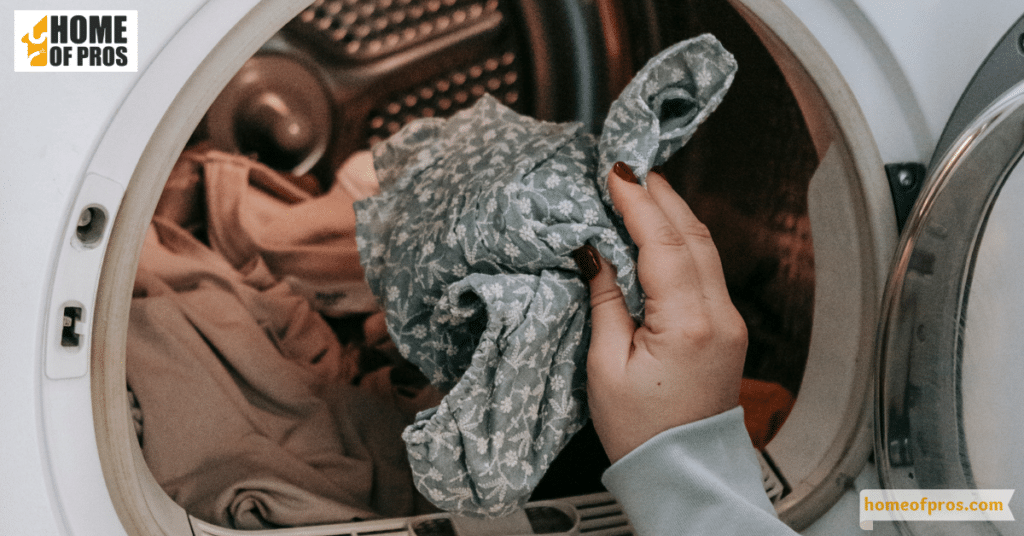
The sealed environment of front-load washers, although great for cleaning clothes, can inadvertently become a haven for mold and mildew. A crucial yet often overlooked step in preventing this is letting your machine breathe post-wash. Keeping the washer door slightly ajar after a cycle ensures any trapped moisture or humidity dissipates, significantly lowering the odds of mold taking hold.
Beyond the machine itself, the surrounding space plays a role in moisture control. Whether it’s through utilizing exhaust fans, ensuring windows are periodically opened, or simply keeping the laundry room door unobstructed, circulating air can drastically reduce ambient moisture.
6. Clean the Gasket and Dispensers Regularly
The rubber gasket, which creates a water-tight seal for the machine’s door, and the detergent dispensers are notorious for being mold hotspots. Over time, water and detergent residues can accumulate in these areas. A proactive approach involves cleaning these components regularly. This could mean wiping the gasket with a damp cloth and rinsing the dispensers under hot water, ensuring they remain free from mold-causing residues.

7. Run a Monthly Hot Water Cycle
While the modern push towards energy efficiency promotes cold water washes, there’s undeniable cleaning prowess in hot water. Think of it as a monthly detox for your machine. A hot water cycle, especially when devoid of clothes, reaches every nook and cranny, effectively breaking down and flushing out detergent residues, grime, and microbial build-up. For an added punch, incorporating disinfectants such as bleach or vinegar can provide a more thorough cleanse, ensuring any lurking microbes are effectively eliminated.
8. Check and Clean the Filter
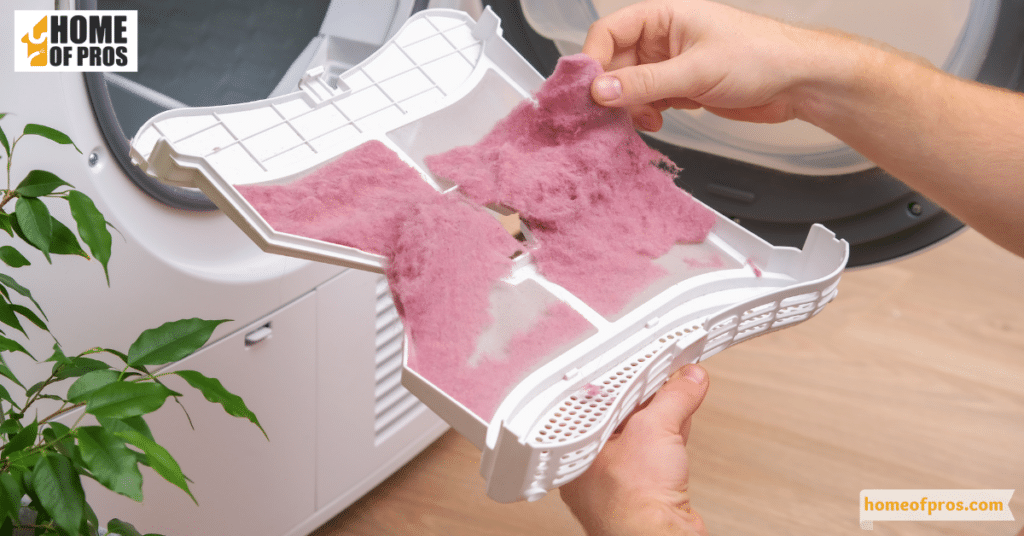
The filter, although out of sight, plays a pivotal role in your washing machine’s operation. Designed to catch debris like lint, hair, and the occasional forgotten coin, it ensures a smooth wash cycle. However, neglecting the filter can lead to it becoming a hub for mold and odors. Moist lint and trapped debris offer an ideal environment for mildew to grow.
Periodic checks and cleaning, preferably every two to three months, ensure that the filter not only aids in the machine’s efficient operation but also prevents it from becoming a source of unpleasant odors. Regular maintenance here is a small step towards a consistently fresh laundry experience.
In conclusion
A front-load washer offers numerous advantages, from energy efficiency to superior cleaning capabilities. However, its design can also make it susceptible to mold and mildew if not properly maintained. By taking simple yet effective measures, such as cleaning specific components like the gasket and filter, ensuring proper ventilation, and running periodic hot water cycles, you can keep your machine in optimal condition.
Regular maintenance not only extends the lifespan of your washing machine but also ensures that every laundry cycle yields fresh, clean clothes, free from any lingering odors. So, invest a little time in your washer’s care, and it will consistently reward you with top-notch performance.