
When dealing with a faulty microwave oven, there are a few tips that can help you troubleshoot and potentially fix the issue. First, check the power source and ensure it’s properly connected. If the microwave isn’t heating, examine the door seal for any damage or gaps. Additionally, inspect the fuse and replace it if necessary. If problems persist, it’s best to consult a professional for further assistance.
In this blog post, we will provide you with practical tips for fixing a faulty microwave oven that you can implement right away. By using active voice, we will guide you through the process of identifying common issues and troubleshooting techniques to help bring your microwave back to working order.
What Causes Microwave Ovens to Malfunction?
Microwave ovens are a part of our everyday life and we rely on them to heat up our food quickly and conveniently. However, they do have the tendency to malfunction at times, leaving us frustrated and hungry. There are several reasons why a microwave oven may stop working. One common reason is due to a faulty door switch. If the door switch fails to engage properly, the microwave will not turn on.
Another cause can be a malfunctioning magnetron, which is responsible for producing the microwaves that heat your food. A damaged magnetron can cause the microwave to stop working altogether or produce insufficient heat. Other factors such as electrical issues, damaged capacitor, and faulty thermal fuses can also cause your microwave oven to malfunction. Regular maintenance and careful usage can help prevent these issues from occurring, and save you from the frustration of a malfunctioning microwave.
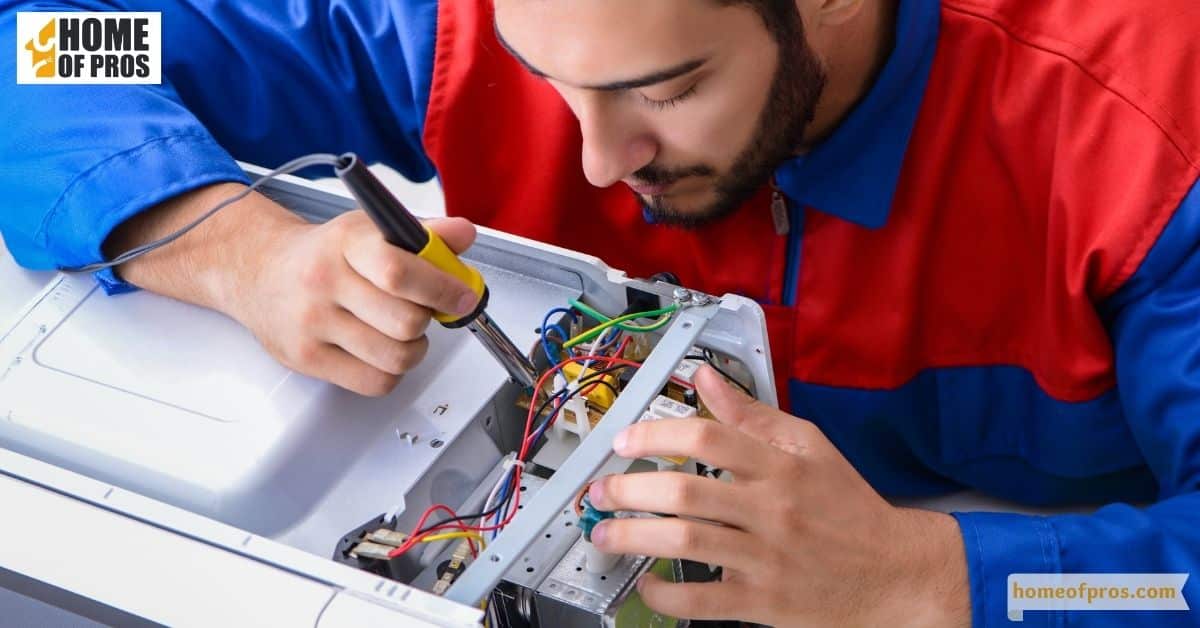
Tips for Fixing a Faulty Microwave Oven
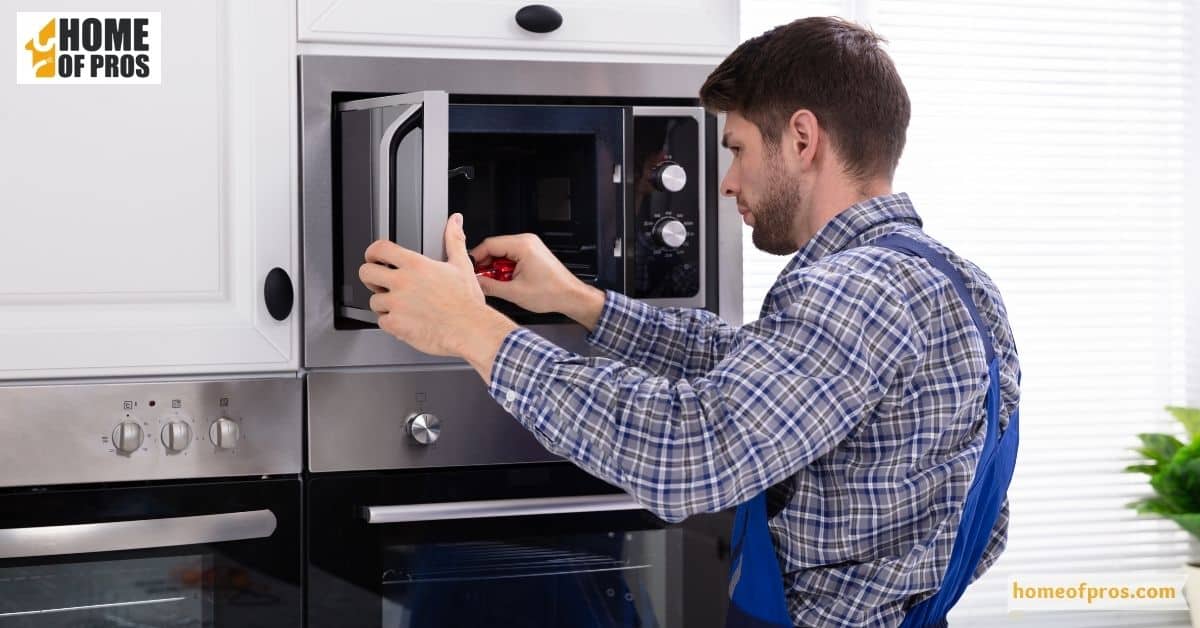
Microwave ovens have become essential kitchen appliances in many homes, making it easier and more convenient to prepare meals. However, like any other electronic device, they may develop faults from time to time. Whether it is a malfunctioning door, a faulty microwave plate, or a sparking interior, fixing a microwave on your own can seem daunting. But fear not! With the right tips, you can easily take charge and fix your faulty microwave like a pro.
Tip #1: Checking the Power Supply
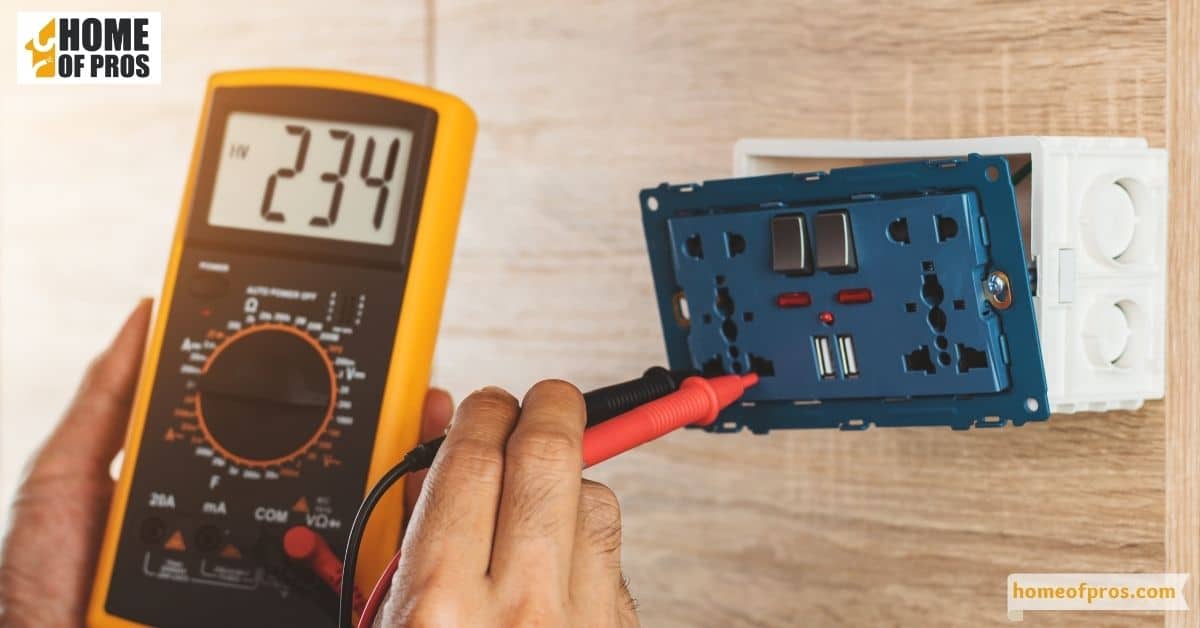
Microwave ovens are a common household appliance that we rely on every day. Unfortunately, like all electrical devices, they may also experience issues that require troubleshooting and repairs. One of the most common problems that microwave ovens encounter is a faulty power supply. To diagnose this issue, you’ll need to perform a few checks, including ensuring that the power outlet is functioning properly.
Additionally, you should check the fuses, circuit breaker, and power cord connections. By confirming that each of these components is working correctly, you can quickly rule out power supply issues that may be causing your microwave oven to fail. Remember to always unplug your microwave before conducting any testing.
Tip #2: Troubleshooting Circuit Breakers
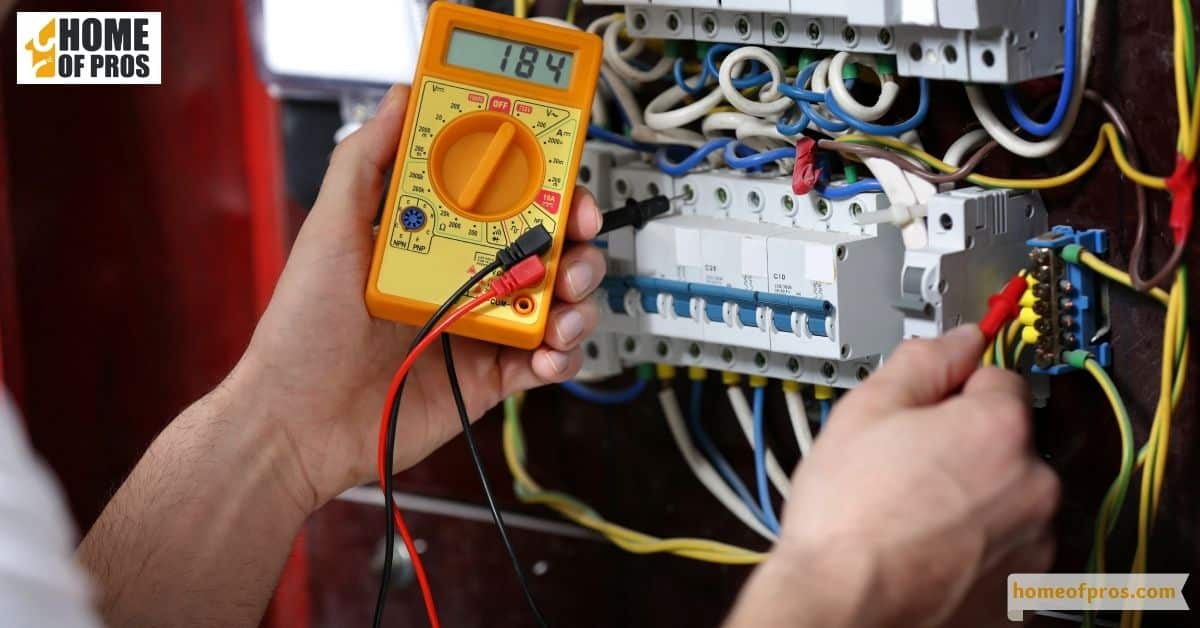
Troubleshooting circuit breakers can be an intimidating task for those without an engineering background. However, fixing a faulty microwave oven can be a simple process with a few helpful tips. First, make sure to unplug the oven and check the circuit breaker for any tripped switches. If this is the cause of the issue, reset the breaker and test the oven once again. If the issue persists, check the fuse and replace it if needed. It’s essential to be mindful of the electrical currents involved in this process and take all necessary precautions.
Tip #3: Replacing Fuses and Bulbs
When your microwave oven starts acting up, the solution may be as simple as replacing a faulty fuse or bulb. However, attempting to fix electrical issues can be daunting and dangerous. To ensure a successful repair, start by unplugging the appliance and checking the user manual for specific instructions on how to access the fuse or bulb.
Always use the correct replacement part and carefully follow the manufacturer’s guidelines, as different models may require different parts and procedures. Additionally, if you are uncertain about the process or encounter any unexpected issues, seek the help of a professional technician. With these tips in mind, you can confidently tackle the task of replacing fuses and bulbs in your microwave oven.
Tip #4: Troubleshooting Heating Components
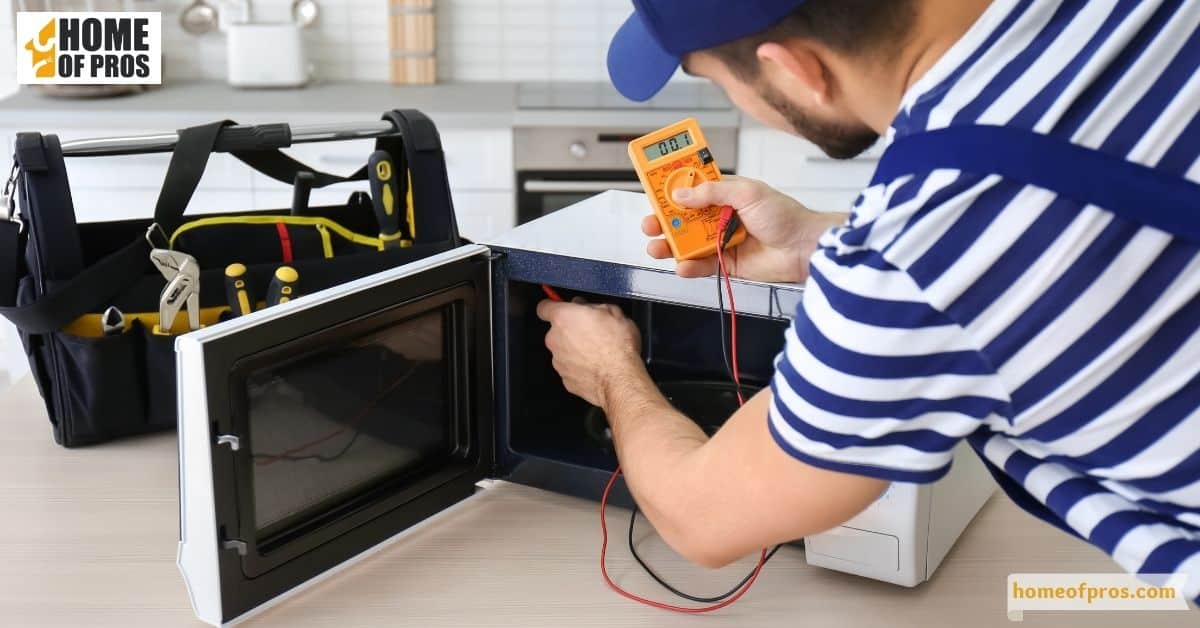
Microwave ovens are a staple in modern-day kitchens, but like any electronic device, they can experience malfunctions. A common issue that arises with microwaves is faulty heating components. If you encounter this problem, there are a few steps you can take to troubleshoot the issue. Begin by examining the power source and ensuring that the microwave is properly plugged in.
If the power source isn’t the problem, evaluate the door switch and replace it if necessary. If that doesn’t fix the issue, you may need to inspect and replace the high voltage transformer or the magnetron. Remember to always exercise caution when dealing with electrical components and refer to the manufacturer’s manual for specific instructions.
Prevention Tips to Prevent Oven from Malfunctioning
Keeping your oven functioning properly is crucial for any kitchen. A malfunctioning oven can cause serious safety hazards and lead to costly repairs. There are a number of simple prevention tips you can follow to ensure that your oven runs smoothly. By following these basic prevention tips, you can ensure that your oven stays in top condition for years to come.
Tip #1: Cleaning the Microwave Regularly
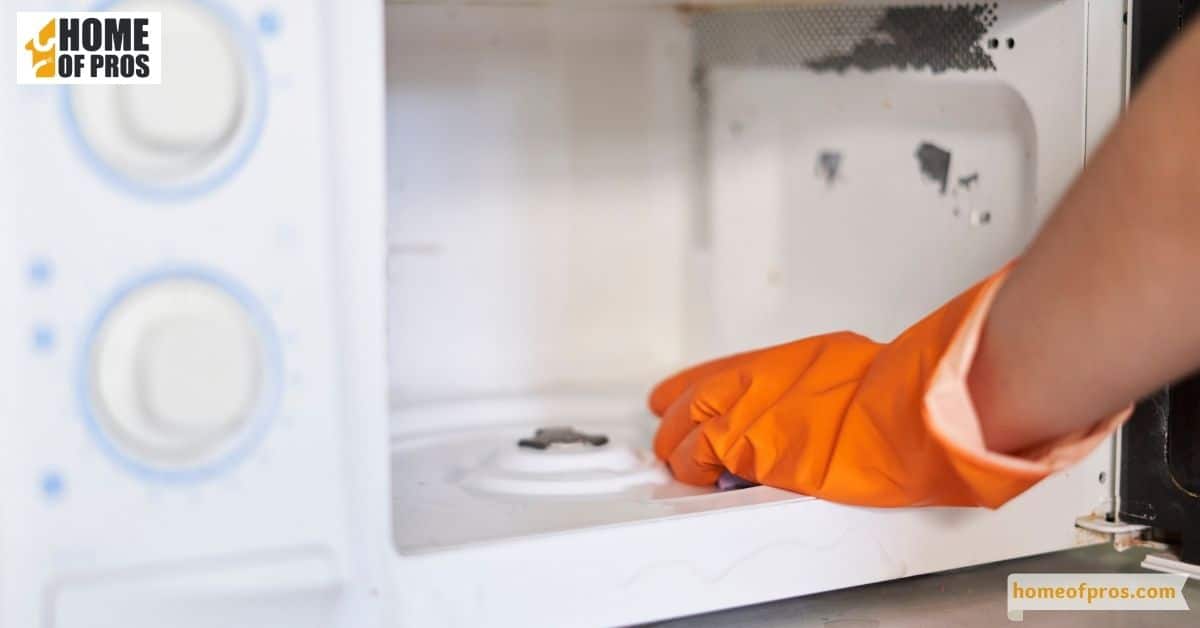
To ensure that your microwave works efficiently, it is important that you clean it regularly. A dirty microwave can cause several issues such as bad odors, malfunctions, and even fires. Cleaning the microwave may seem like a daunting task, but with the right prevention tips, it can be a quick and easy process. One simple way to prevent malfunctioning is to avoid using metal containers or utensils in the microwave.
Also, wiping down the interior of the microwave after each use can prevent buildup and odors. Another helpful tip is to cover food with a microwave-safe lid or paper towel before heating to prevent splatters.
Tip #2: Avoid Overloading the Oven with Food and Utensils
As the saying goes, too much of a good thing can be bad and the same goes for overloading your oven. While it can be tempting to try and bake or cook multiple dishes at the same time, doing so can cause your oven to malfunction. From uneven cooking to burnt food and even potential damage to the oven itself, overloading is never a good idea.
Thankfully, there are simple prevention tips to keep your oven functioning properly. First, make sure you use the right size utensils and cookware for the oven to ensure even cooking. Additionally, avoid placing dishes too close together to allow proper airflow.

Tip #3: Keeping the Microwave Away from Water
For convenience and quick meal prep, the microwave has become a staple appliance in many households. However, it’s important to keep in mind that water and electricity don’t mix well. To prevent your microwave from malfunctioning, make sure it’s in a dry area away from water sources. Don’t place the appliance on or near a counter where water is frequently used, such as near the sink.
Be cautious when heating liquids in the microwave and always use a microwave-safe container. Additionally, if your microwave does come into contact with water, don’t attempt to use it until it has completely dried and has been inspected by a professional.

In Conclusion
Fixing a faulty microwave oven might seem daunting, but with the right tips and tools, it can be easily accomplished. As mentioned, safety should always be a top priority, which includes unplugging the appliance before starting any repair work. Furthermore, it’s important to conduct a thorough inspection of the oven’s components to identify the issue. Microwave ovens have a variety of complex parts, but by taking things apart step-by-step, using tools like multimeters and screwdrivers, and ordering replacement parts as needed, the repair process can be successfully completed. Don’t hesitate to contact a professional if things get too complicated, but with a little patience and persistence, you can restore your microwave to full functionality in no time.