
Scraping off old paint doesn’t require specialized equipment; in fact, common tools will do the trick. A putty knife’s flat edge is perfect for large areas, while a wire brush tackles rough or rusted surfaces. Lastly, for detailed or intricate spots, a toothbrush provides precision, ensuring you get every last flake.
Paint scraping, often seen as a mere prep task, holds significant value in home improvement. Whether you’re renovating, aiming for aesthetic enhancement, or prepping for a fresh coat, scraping ensures a clean slate and optimal paint adherence. Proper technique is key, safeguarding surfaces and setting the stage for a successful paint job.

Preparing the Surface and Safety Considerations
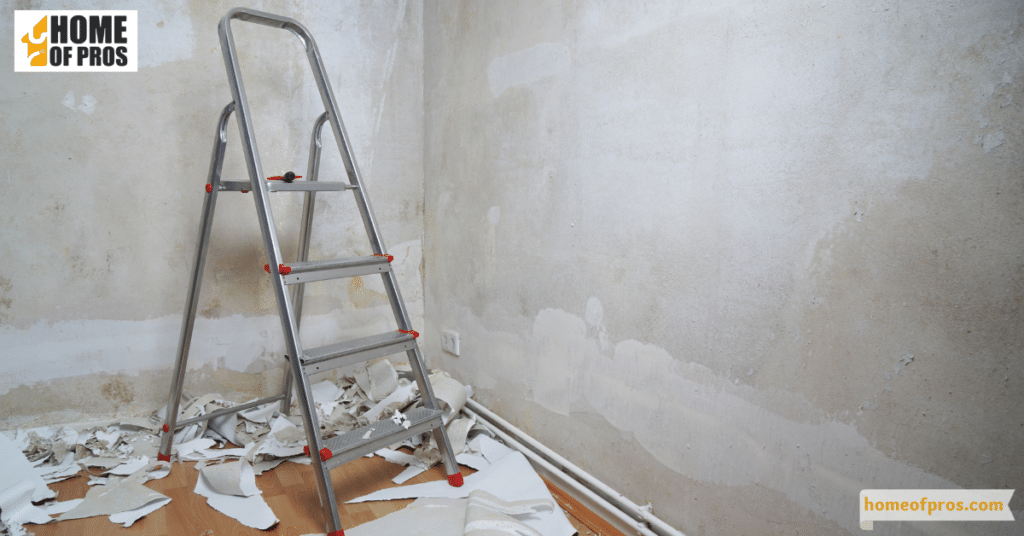
Before diving into the paint scraping process, it’s essential to prepare your workspace and prioritize safety. Start by cleaning the surface and removing dirt and debris for smoother scraping. Always wear protective gear, including gloves and safety goggles, to shield against potential hazards.
Set up your area with adequate lighting to see every detail, lay down drop cloths to catch falling paint chips, and ensure proper ventilation, especially if there’s a possibility of encountering lead-based paint. Taking these preparatory steps not only ensures efficiency but also safeguards your well-being throughout the task.
The Versatile Putty Knife: Technique and Tips
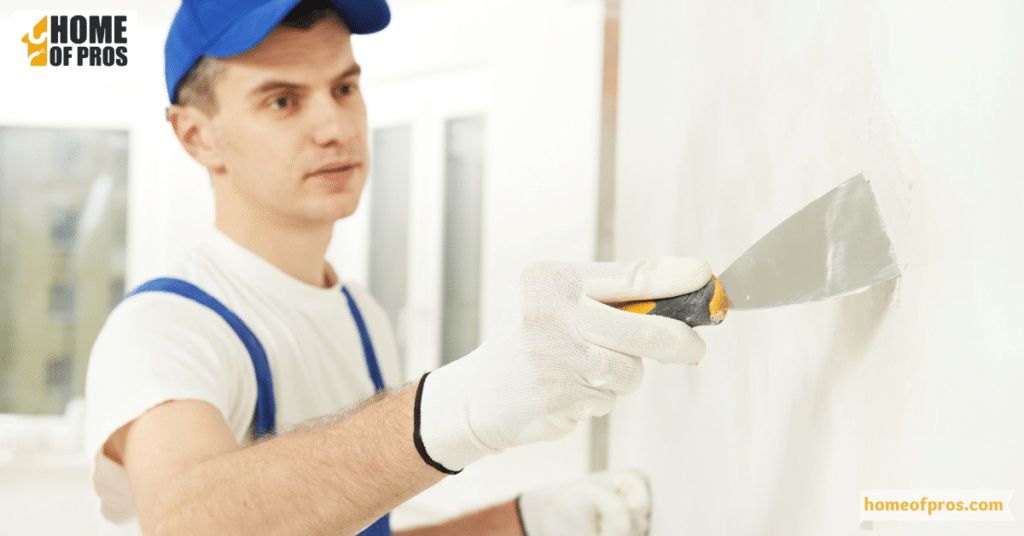
A putty knife, often overlooked, is a painter’s indispensable tool, characterized by its flat, flexible blade. It excels in tasks like spreading fillers, removing residues, and, most prominently, scraping away old paint. For optimal use, grip the knife’s handle firmly, ensuring your thumb and index finger guide the blade’s spine. This grip grants control, minimizing potential damage to surfaces.
When scraping, it’s best to begin at the edges, working your way inward. Consistent pressure ensures uniform removal, while periodic cleaning of the blade prevents paint build-up and maintains the tool’s efficiency. Mastery of these techniques transforms the putty knife from a simple tool into a paint-scraping powerhouse.
1. Using a Wire Brush: Best Practices for Rough Surfaces
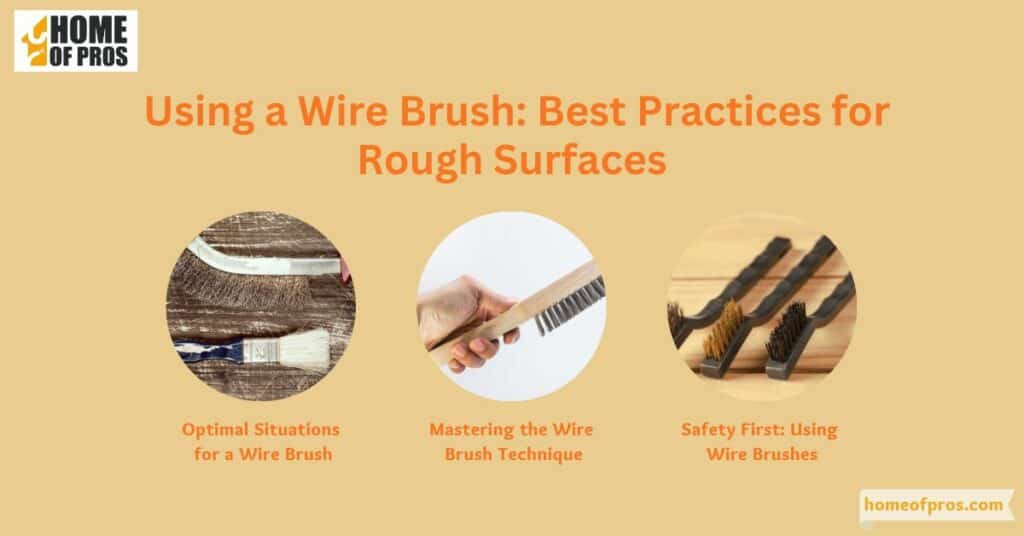
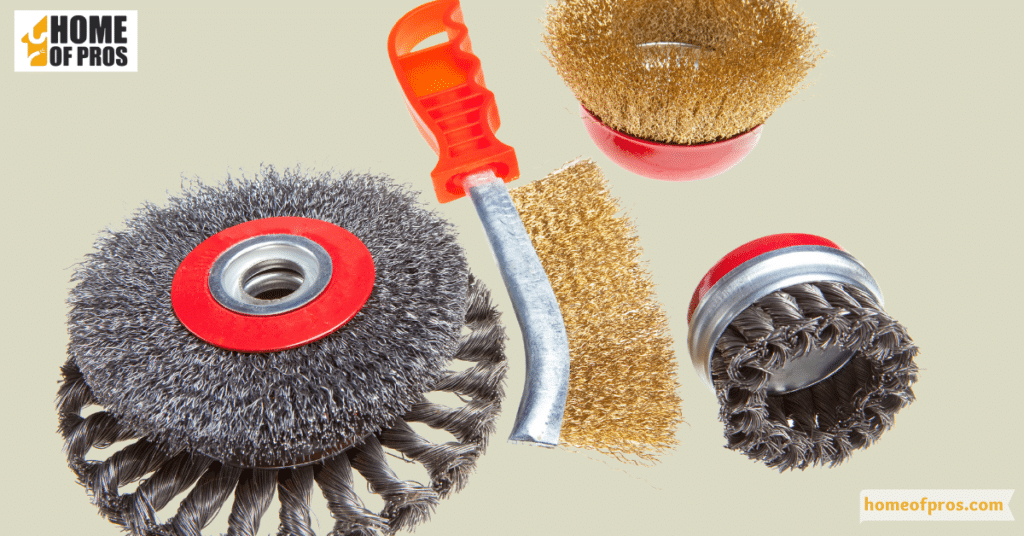
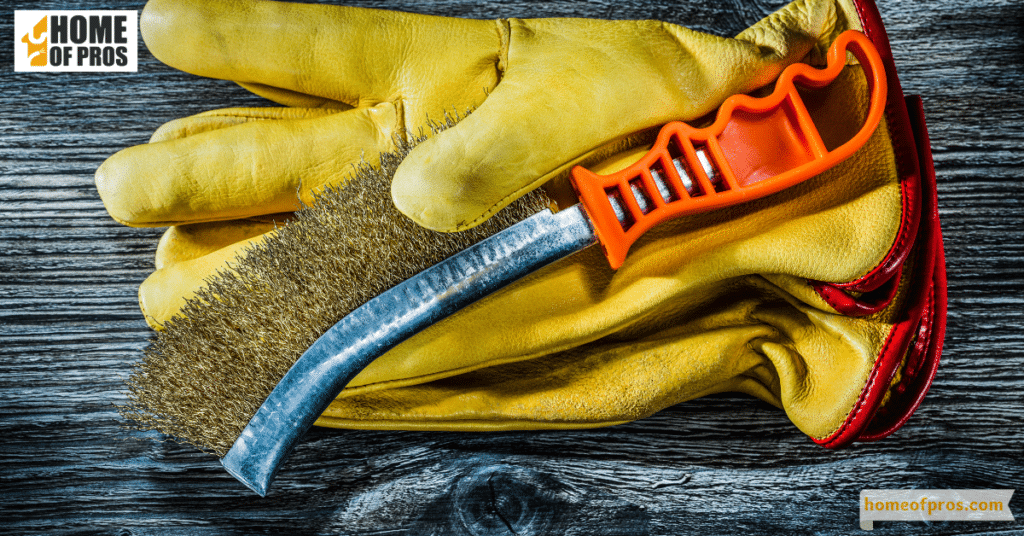
When you’re up against rough or deteriorated surfaces, the wire brush swiftly steps forward as an indispensable asset. Its robust and rugged design is uniquely tailored to handle tough tasks, but to truly make the most of its capabilities, it’s imperative to know how to wield it effectively.
1. Optimal Situations for a Wire Brush
Some surfaces and situations demand the intense scrubbing power of a wire brush over other tools. Heavily rusted areas, for instance, can be incredibly stubborn and resistant to other forms of treatment. The wire brush, with its stiff bristles, can effectively break down and remove this rust. Similarly, when you’re faced with deeply ingrained dirt or grime on textured surfaces—like certain types of weathered wood or uneven stone—a wire brush can penetrate those nooks and crannies with ease.
2. Mastering the Wire Brush Technique
Using a wire brush is more than just random scrubbing. To achieve the best results, it’s recommended to always brush in the direction of the grain or the surface’s natural texture. This not only ensures a more thorough cleaning but also minimizes the risk of creating unwanted scratches or grooves.
While it’s tempting to apply a lot of force, especially when faced with a particularly stubborn spot, moderation is key. Excessive force can harm the surface, leading to more work in the long run. Like all tools, the wire brush also needs maintenance. Regular cleaning, by removing accumulated dirt or paint from its bristles, ensures it remains effective and extends its lifespan.
3. Safety First: Using Wire Brushes
When working with a tool as abrasive as a wire brush, safety precautions are non-negotiable. Begin by donning a pair of durable gloves. This not only offers a better grip but also ensures your hands are safe from potential scratches or the occasional rogue wire bristle. Safety goggles are equally important.
They protect your eyes from any particles or debris that might be dislodged during the brushing process. Lastly, always maintain a firm and steady grip on the brush. This prevents any unexpected slips which could lead to injuries or damage to the workpiece.
The Humble Toothbrush: Detailing with Precision
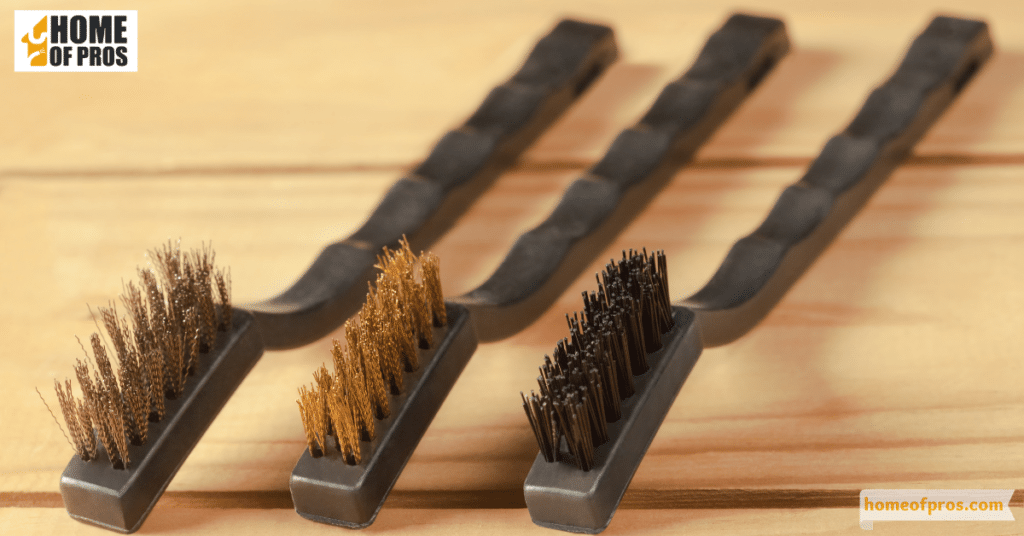
Often overshadowed by its primary role in oral care, the toothbrush emerges as an unexpectedly useful tool in detailed paint-scraping tasks. It’s nimble design and flexible bristles are perfect for accessing delicate spots and tight crevices that bigger tools might compromise. To use effectively, hold firmly and employ gentle, circular motions, letting the bristles navigate the intricacies of the surface.
This method ensures thorough cleaning without causing any damage. Beyond its effectiveness, the toothbrush’s ubiquity makes it a convenient and affordable choice for precision work, proving that sometimes the simplest tools can be the most versatile.
Conclusion
The world of paint scraping and detailing is vast, but sometimes it’s the most unassuming tools that shine the brightest. From wire brushes to modest toothbrushes, each offers unique advantages, demonstrating that effectiveness isn’t always about size or complexity. It’s about knowing how to leverage each tool’s strengths for the task at hand. As you embark on your next project, remember to approach it with both precision and creativity, using the right tool for each specific challenge.