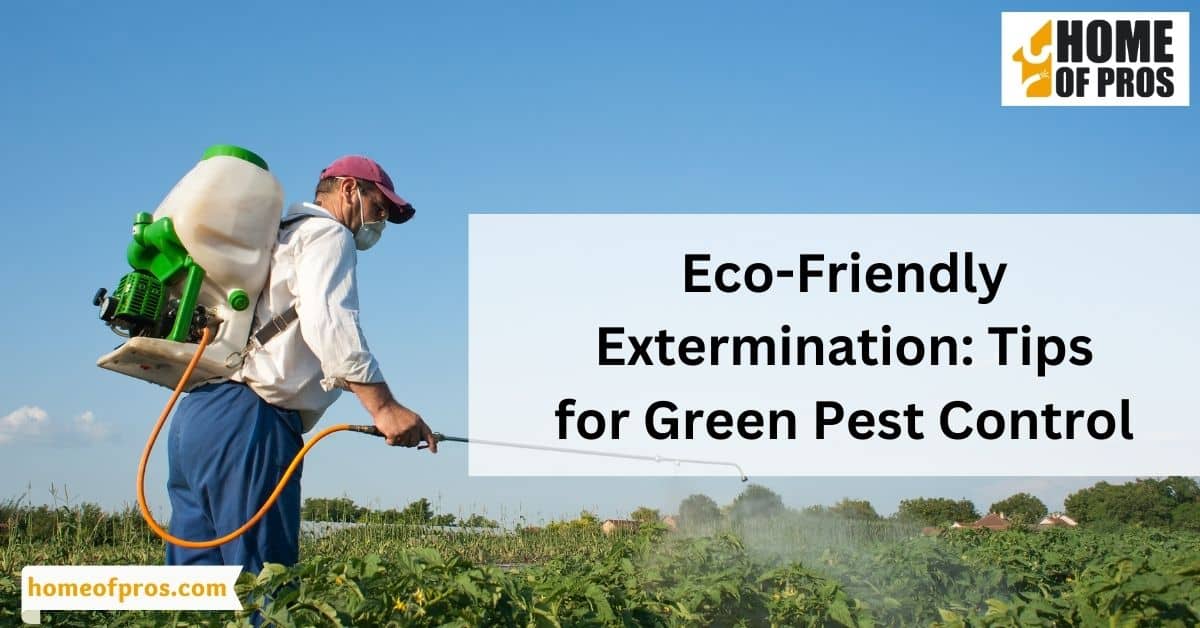
In the quest for eco-friendly pest control, it’s crucial to opt for natural solutions and preventive measures. Start by sealing cracks and gaps in your home, using essential oil-based repellents, and maintaining a clean environment to deter pests. When needed, consult with a professional pest control service that prioritizes environmentally safe methods to ensure a harmonious balance between pest management and ecological responsibility.
In our environmentally conscious world, even pest control decisions matter. Traditional methods often harm the environment and our health. That’s where eco-friendly pest control comes in, offering sustainable and responsible solutions. This blog explores the significance of eco-friendly pest control and provides practical tips for a greener, pest-free home. Let’s start this journey toward a more sustainable future.
1. Maintain a Clean Environment
Keeping a clean living environment is the cornerstone of effective green pest control. Pests are naturally attracted to food sources, and even the smallest crumbs or food residue can invite them into your home. To combat this, establish a regular cleaning routine. Sweep or vacuum floors, wipe down countertops, and wash dishes promptly. Store food in airtight containers to eliminate easy access for pests.
Additionally, pay attention to pet food and water dishes, as these can attract pests as well. Regularly clean and empty them to prevent infestations. By maintaining a clean and clutter-free home, you create an inhospitable environment for pests, reducing their attraction and the need for harsh chemical pesticides.
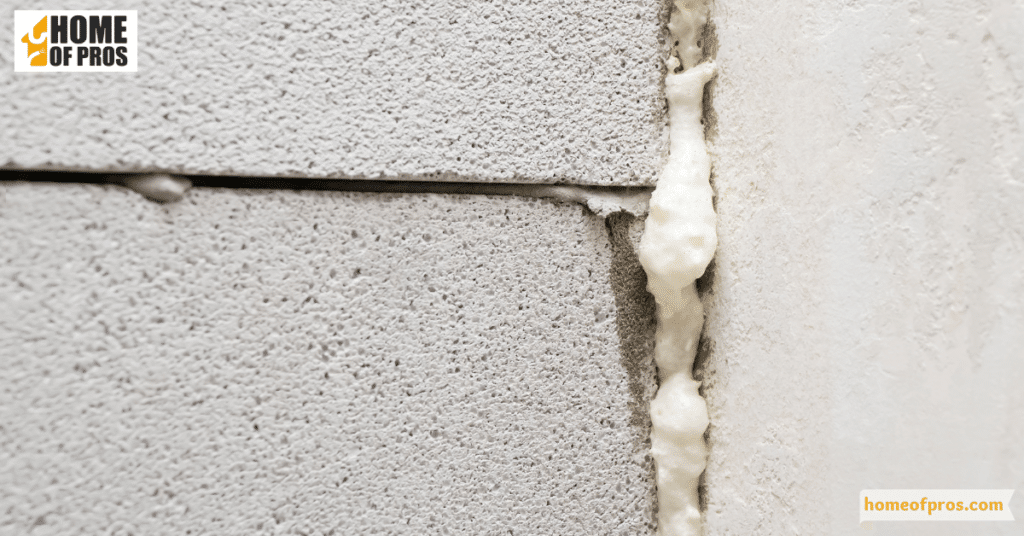
2. Seal Cracks and Gaps
Pests often find their way into homes through tiny openings in walls, windows, doors, and foundations. Inspecting your home for these gaps is crucial in green pest control. Use caulk or weatherstripping to seal any visible cracks and gaps. Focus on areas where utility pipes enter your home, gaps around windows and doors, and the foundation. By closing these entry points, you create a physical barrier that prevents pests from infiltrating your living space. This proactive approach is an effective and eco-friendly way to keep pests out and reduce reliance on chemical pesticides.
3. Use Essential Oils
Essential oils like peppermint, lavender, and eucalyptus can serve as potent natural pest repellents. To harness their power, create a simple DIY pest spray. Mix a few drops of your chosen essential oil with water in a spray bottle and apply it to areas where pests are a concern. These areas include entry points, windowsills, baseboards, and corners. Essential oils disrupt pests’ senses and deter them from invading your space. Reapply the spray as needed, especially after cleaning or when you notice pest activity. This eco-friendly solution not only wards off pests but also leaves your home smelling fresh.
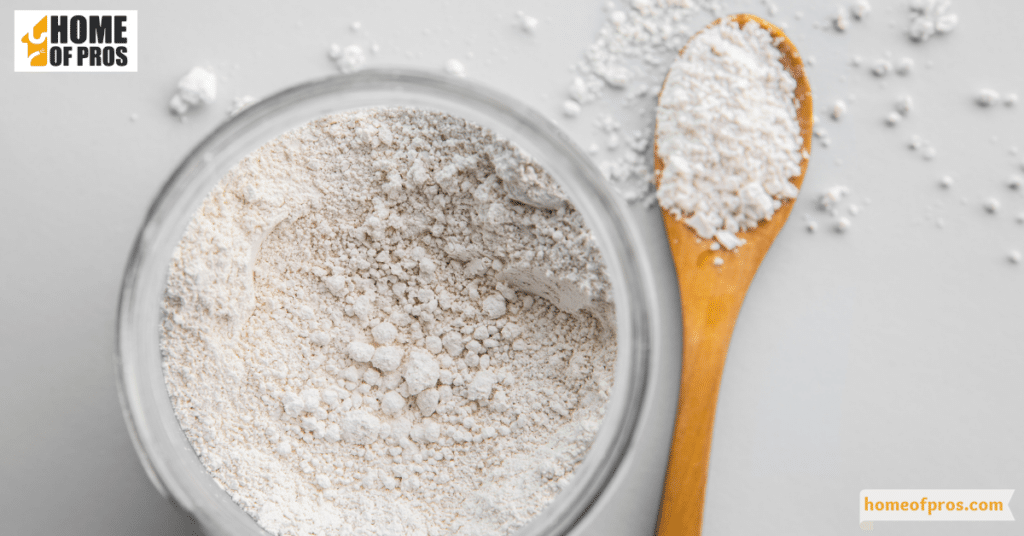
4. Diatomaceous Earth
Diatomaceous earth is a finely ground powder composed of fossilized diatoms (algae). It is abrasive to insects but completely safe for humans and pets. When pests come into contact with diatomaceous earth, it damages their exoskeletons, causing them to dehydrate and eventually die. To use diatomaceous earth for pest control, apply a thin layer in areas where pests are active.
Focus on cracks, crevices, and hiding spots such as under appliances, behind baseboards, and along the edges of cabinets. This eco-friendly method provides long-lasting protection against crawling insects without resorting to toxic chemicals.
5. Biological Controls
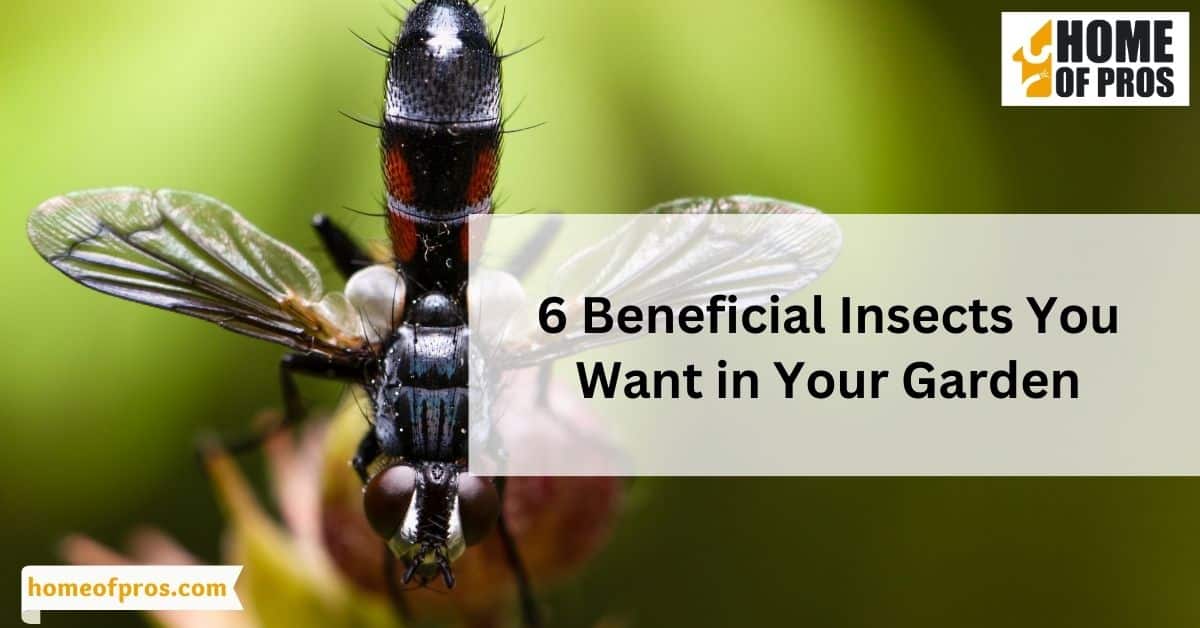
Biological pest control is a sustainable approach that involves introducing natural predators or parasites to control pest populations. For instance, ladybugs are voracious aphid predators, and nematodes parasitize soil-dwelling pests like grubs. To implement this method in your garden, purchase these beneficial organisms from a reputable supplier and release them where pests are problematic. Over time, they’ll help maintain a balanced ecosystem by naturally reducing pest numbers. This approach minimizes the need for chemical pesticides and fosters a healthier, more environmentally friendly garden.
6. Reduce Moisture Levels
Many pests thrive in moist environments, making moisture reduction an essential aspect of green pest control. Start by fixing any plumbing leaks promptly, as even minor drips can create ideal conditions for pests. Ensure proper drainage around your home’s foundation to prevent water accumulation. In areas with high humidity, use a dehumidifier to maintain dry indoor conditions.
By reducing moisture levels, you discourage pests like mosquitoes, termites, and cockroaches from taking up residence in your home. This environmentally responsible approach not only deters pests but also contributes to a healthier living environment for you and your family.

7. Screen Windows and Doors
Screens on windows and doors serve as effective physical barriers against flying insects such as mosquitoes, flies, and wasps. Installing screens allows you to enjoy fresh air while keeping pests out. Ensure that screens are in good condition without tears or gaps that pests could exploit. Regularly check and repair any damage to maintain their effectiveness.
This eco-friendly measure reduces the need for chemical pesticides and promotes natural ventilation in your home. It’s a simple yet highly efficient way to create a comfortable and pest-free living space while minimizing your environmental footprint.
8. Consult Eco-Friendly Pest Control Services
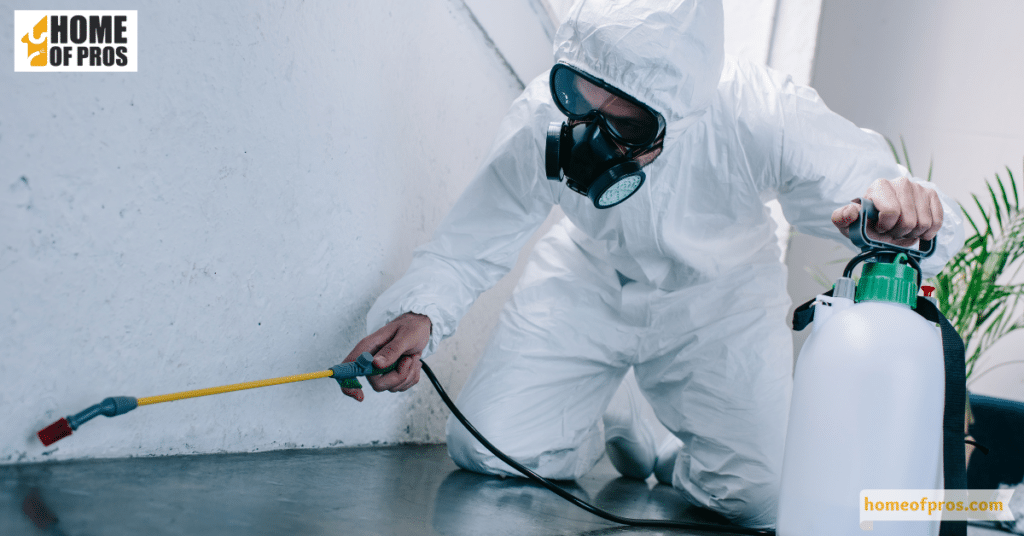
When facing a severe pest infestation that DIY methods cannot handle, seek professional pest control services with a green and eco-friendly approach. Ensure they use non-toxic, biodegradable products that are safe for both your family and the environment. Ask about their integrated pest management (IPM) practices, which focus on long-term solutions and minimal pesticide use.
Conclusion
In the pursuit of green pest control, we’ve explored a comprehensive set of eco-friendly strategies that not only effectively manage pests but also prioritize the well-being of our environment and our health. By implementing these green pest control tips, you can create a pest-free living space while minimizing your reliance on harmful chemical pesticides.
Maintaining a clean environment through regular cleaning routines, sealing cracks and gaps to create physical barriers, and utilizing essential oils as natural repellents are proactive steps anyone can take. These practices not only deter pests but also promote a healthier and more sustainable lifestyle.