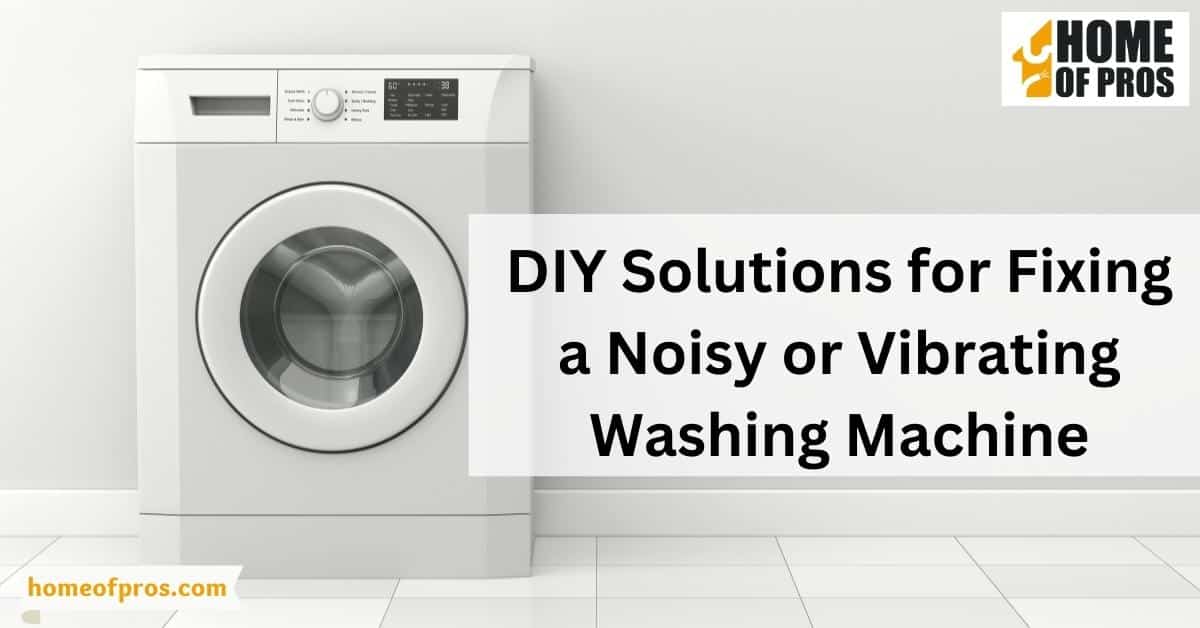
Your washing machine is a workhorse in your home, but when it starts rattling, shaking, and producing a great deal of noise, it can quickly become a source of frustration. If you’re tired of the constant noise and vibration, don’t worry – you don’t need a professional technician to fix the issue.
With these DIY tips, you can quickly fix the problem without calling in a costly repair service. From checking damper pads to re-calibrating washer cycles, a little knowledge and ingenuity can go a long way toward restoring peace and quiet!
1. Identify the Problem
Is your washing machine making a lot of noise or vibrating excessively during the spin cycle? Don’t worry, you’re not alone. These issues are actually quite common and can often be fixed with some DIY solutions. The first step is to identify the problem. Is it an unbalanced load?
Are the feet of your machine level? Perhaps there’s an issue with the drum or bearings. By pinpointing the problem, you’ll be better equipped to find a solution. With a little bit of patience and some basic tools, you can save yourself from having to call in a costly repair service.
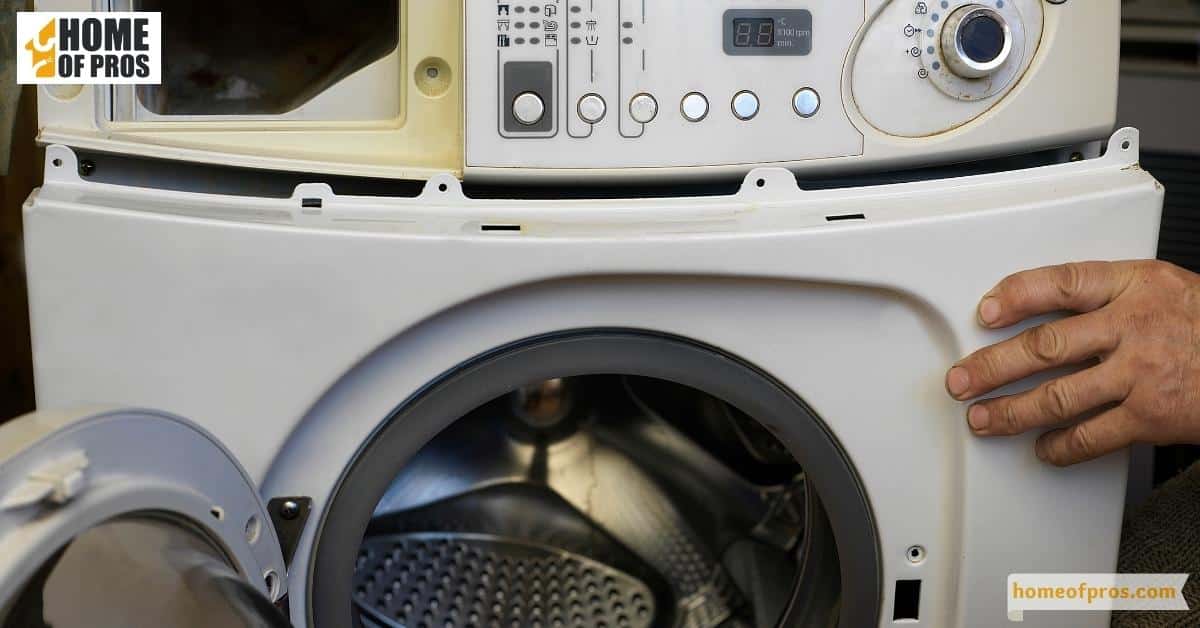
2. Check Damper Pads
Are you tired of your washing machine making a racket as it runs? Check damper pads may be the solution you need. These pads can be easily replaced by a DIY enthusiast, and they work to dampen the vibrations of your machine and reduce the accompanying noise.
Made from high-quality materials, these pads are durable and long-lasting, ensuring peace of mind for years to come. With their simple installation process and effective results, check damper pads offer a practical and affordable solution for those looking to fix a noisy or vibrating washing machine.
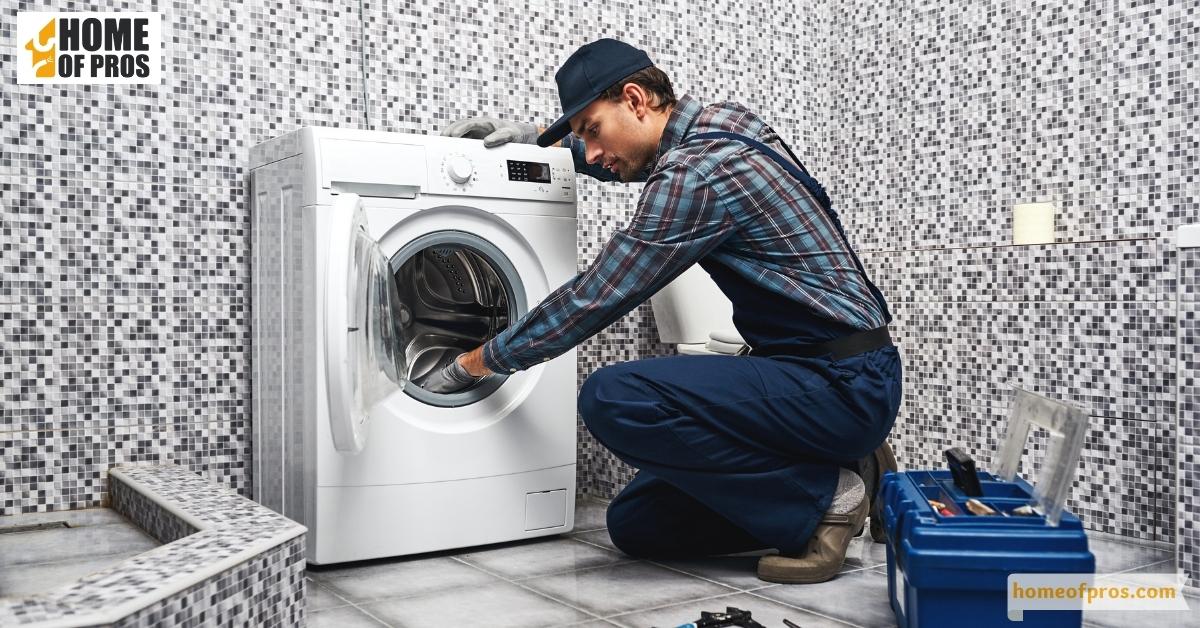
3. Examine Leveling Legs and Adjust as Needed
When your washing machine starts making a racket, it can be frustrating and disruptive to your daily routine. Fortunately, there are steps you can take to address the issue without calling in a professional. One of the most common causes of a noisy or vibrating washing machine is uneven leveling legs.
These small feet at the bottom of the machine help keep it stable during cycles. Over time, they can become shifted or worn, causing the machine to wobble, shake, or even make loud banging sounds. Examining the leveling legs and adjusting them as needed can often solve the problem and restore peace and quiet to your laundry room.
With just a few simple tools and a little know-how, you can DIY your way to a smoother, quieter washing experience.
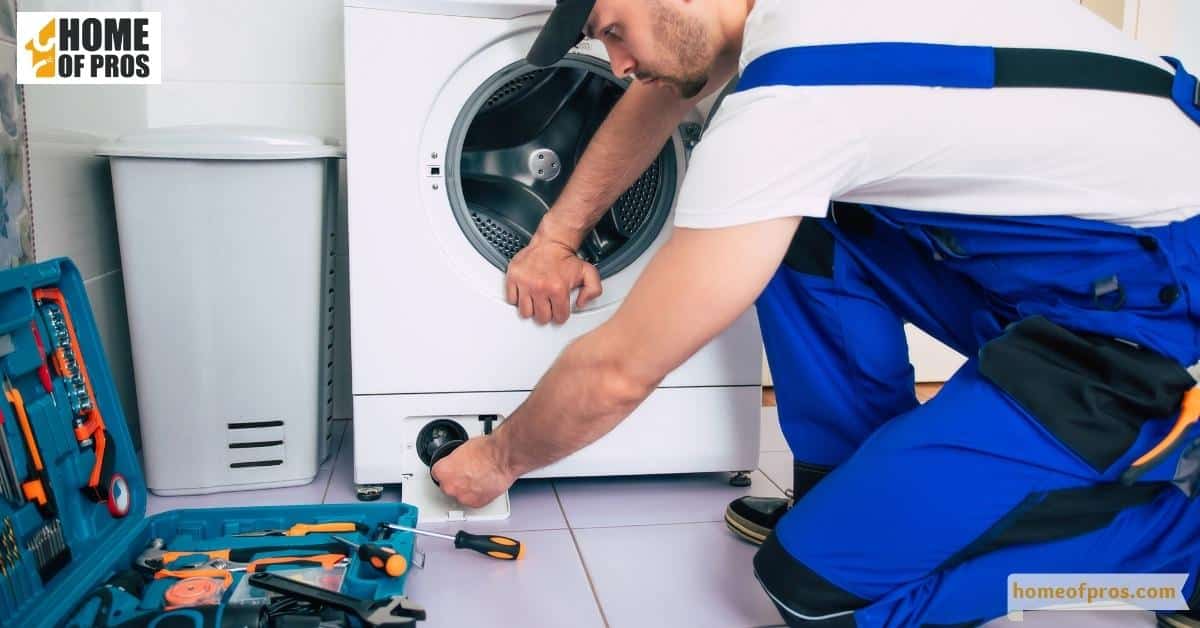
4. Tighten Loose Parts
Does your washing machine sound like it’s about to take off into outer space? Maybe it vibrates so hard that it’s practically walking across the laundry room floor. Before you resort to buying a new machine, there’s a DIY solution you can try: tighten loose parts.
A washing machine has several components that can become loose over time from regular use, such as screws, bolts, and nuts. By identifying which parts are loose and tightening them up, you can potentially eliminate the noise and vibration issues entirely.
It’s a practical fix that anyone can try, and it may just save you from having to purchase a costly replacement.
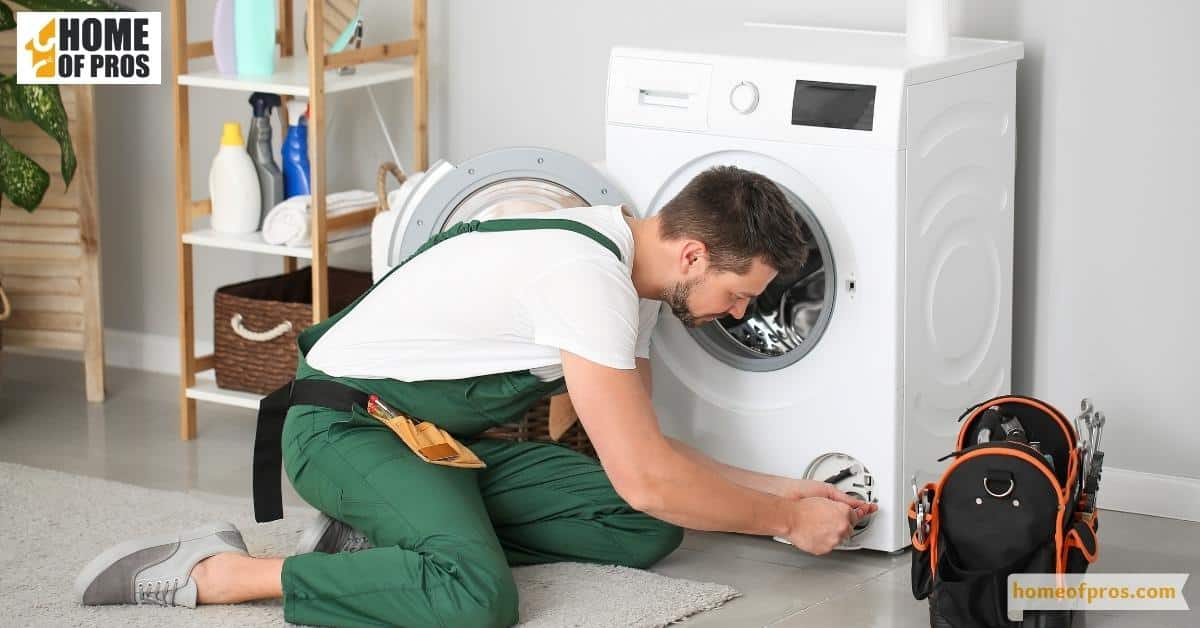
5. Balance Your Loads
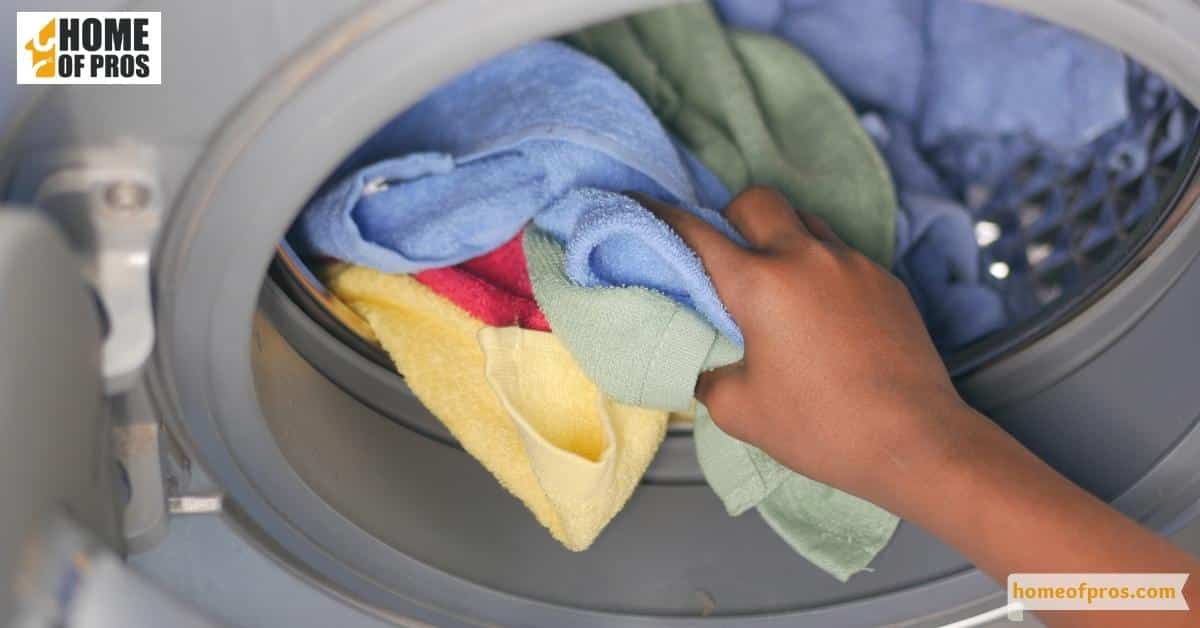
A noisy washing machine can be a frustrating issue to deal with, but luckily there are some simple DIY solutions you can try before calling in the professionals. One common cause of noise and vibration is unbalanced loads. If you are noticing excess noise or shaking during your wash cycle, try rearranging your clothes to achieve a more balanced load.
Make sure to evenly distribute your clothing and avoid packing too many items into one area. If you still experience noise or shaking after balancing your load, there may be other underlying issues that require further investigation.
But for now, give this simple fix a try and see if it makes a difference in the noise and performance of your washing machine.
6. Re-Calibrate Washer Cycles
Is your washing machine making more noise than usual or vibrating excessively? Don’t panic! Before you call a repair technician, there are a few things you can do yourself. One effective solution is to re-calibrate your washer cycles.
This process varies depending on the brand and model of your machine, but it’s usually as simple as pressing a few buttons in a specific sequence. By doing this, you’ll reset the motor and ensure it’s operating at optimal performance levels. Not only will this reduce noise and shaking, but it will also improve the cleanliness of your laundry.
With a little DIY knowledge and some ingenuity, you can fix your noisy or vibrating washing machine without breaking the bank.
7. Contact a Professional for Further Assistance
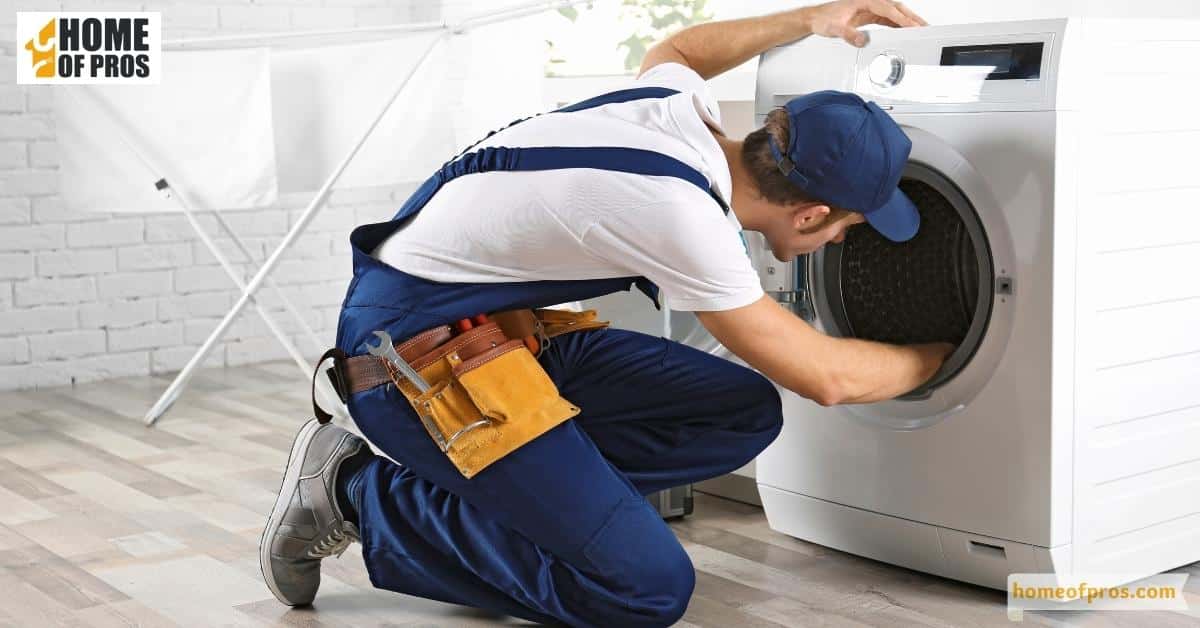
If your washing machine is making a lot of noise or vibrating excessively, it can be difficult to figure out exactly what’s causing the problem. While there are some DIY solutions that you can try to fix the issue, it’s important to know when it’s time to call in a professional for further assistance.
A professional can help you diagnose the root cause of the problem and provide expert advice on the best course of action. Whether you need a simple repair or a replacement part, having the help of a professional can save you both time and money in the long run.
Don’t hesitate to reach out for help if your washing machine is causing you problems – a little expert assistance can go a long way toward keeping your home appliances in tip-top shape!
8. Take Preventative Measures for Quieter Washers
Washing machines are an indispensable part of our daily lives, but they can become a nuisance when they make too much noise or vibrate excessively. Fortunately, there are a number of DIY solutions that can help you fix a noisy or vibrating washing machine.
But before you start tinkering with your appliance, it’s important to take preventative measures to ensure that your washer remains quiet and stable over time. Some simple tips include making sure your washer is properly leveled, avoiding overloading the machine, and replacing worn parts as needed.
With these preventative measures in place, you can enjoy a quieter and smoother laundry experience in no time.

In conclusion
Fixing a noisy or vibrating washing machine doesn’t always require calling in a professional. With a little bit of know-how and some basic tools, DIY solutions can save you time and money.
Whether it’s leveling the machine, tightening screws, or cleaning out debris from the drum, there are simple steps that can help resolve the problem. Remember to always unplug the machine and follow safety precautions.
If you’re still unsure about doing the repairs yourself, don’t hesitate to contact a professional.