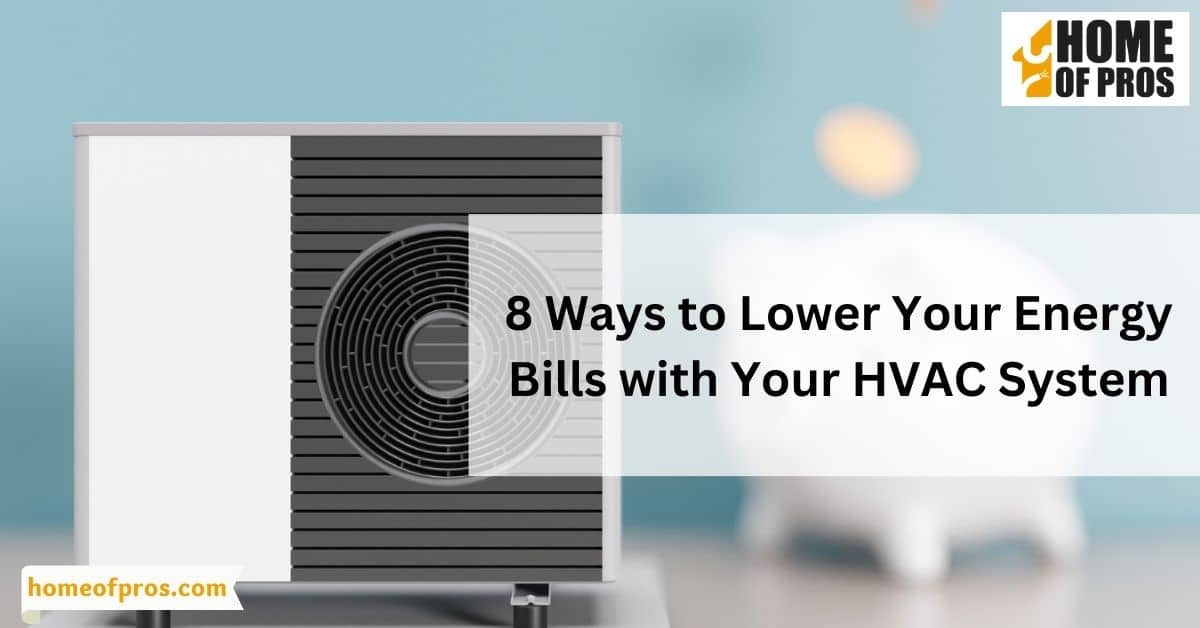
To lower energy bills with your HVAC system, maintain it by changing filters and investing in a programmable thermostat for efficient temperature control. Seal gaps in your home’s insulation and schedule professional HVAC inspections for routine maintenance to save money while staying comfortable.
With energy costs on the rise and environmental concerns growing, ensuring your HVAC system’s energy efficiency is essential. In this article, we’ll share eight practical ways to lower your energy bills using your HVAC system, helping you save money and reduce your environmental impact.
1. Regular Maintenance
Regular maintenance of your HVAC system is akin to giving it a health check-up. Just as you wouldn’t ignore routine check-ups with your doctor, you shouldn’t neglect your HVAC system. It involves essential tasks such as cleaning or replacing filters, lubricating moving parts, and inspecting for leaks or wear and tear. These seemingly small actions play a pivotal role in ensuring your HVAC system operates at its best.
The significance of regular maintenance extends beyond just functionality. By preventing dust and debris from accumulating, clean filters enable better airflow, reducing the system’s workload and energy consumption. Lubricating moving parts ensures they operate smoothly, reducing friction that can lead to inefficiencies. Detecting and fixing leaks or wear and tear early on prevents the system from overworking, which ultimately extends its lifespan.

2. Programmable Thermostats
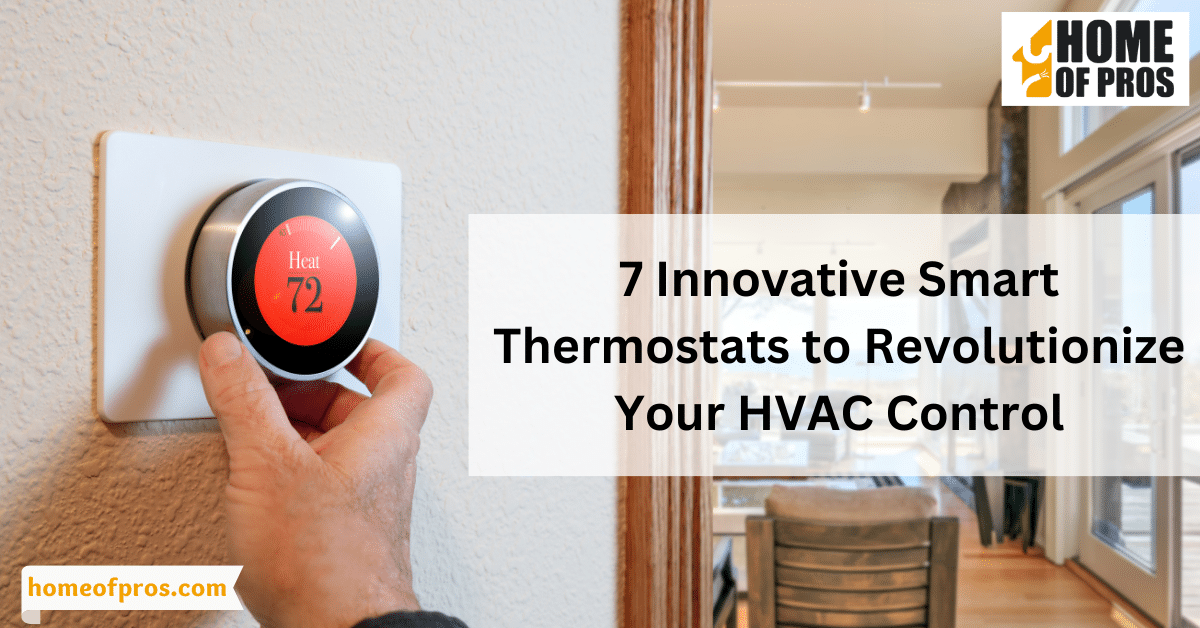
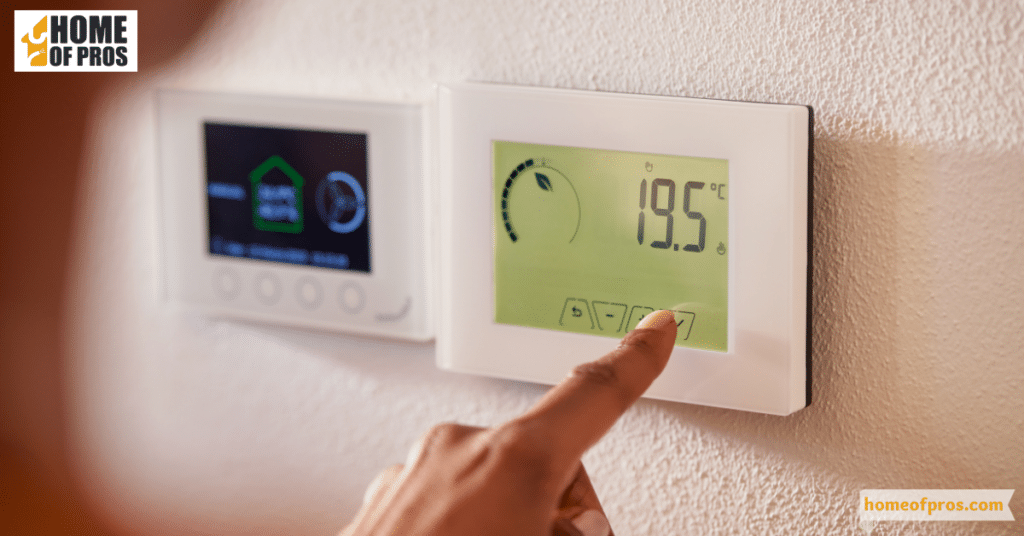
Programmable thermostats are your HVAC system’s best friend when it comes to energy savings. These clever devices allow you to schedule temperature adjustments throughout the day, aligning them with your daily routines. The beauty of programmable thermostats lies in their ability to automatically lower the temperature when you’re away or asleep and raise it when you’re back, ensuring you’re always comfortable while optimizing energy use.
Setting up and using programmable thermostats effectively involves programming them to match your schedule. For instance, you can lower the temperature during working hours and increase it before you return home, thus reducing the workload on your HVAC system when it’s not needed. With proper configuration, programmable thermostats can yield substantial savings on your energy bills by preventing your HVAC system from running at full tilt 24/7.
3. Sealing and Insulation
The energy efficiency of your HVAC system is not solely reliant on the unit itself; your home’s infrastructure plays a significant role. Sealing gaps and improving insulation are two fundamental steps in creating an energy-efficient environment.
Gaps in windows, doors, walls, and ductwork can allow conditioned air to escape while allowing outside air to infiltrate your home. This results in your HVAC system working harder to maintain your desired temperature, leading to increased energy consumption and higher bills. Proper insulation is equally crucial, as it prevents heat exchange through walls and ceilings, maintaining a consistent indoor temperature.

4. Smart HVAC Systems
Welcome to the future of HVAC systems – smart technology. Smart HVAC systems are designed to adapt to your lifestyle and preferences automatically. They harness the power of connectivity and data to optimize your heating and cooling while conserving energy.
These systems can learn your daily routines and adjust temperature settings accordingly. For example, they may lower the temperature when you leave for work and increase it just before you return, ensuring you’re comfortable when at home while saving energy when you’re not. Additionally, they can factor in weather forecasts to anticipate heating or cooling needs accurately.
5. Zoning
Zoning is a clever approach to HVAC efficiency that takes customization to the next level. Instead of treating your entire home as a single unit, zoning divides it into different temperature zones. This means you can have one temperature setting in the living room and another in the bedroom, all controlled by your HVAC system.
The advantages of zoning are twofold. First, it provides personalized comfort, allowing individuals in different areas of the house to enjoy temperatures tailored to their liking. Second, it significantly reduces energy consumption. Why heat or cool unoccupied rooms when you can direct the conditioned air only where it’s needed? Zoning minimizes the workload on your HVAC system, translating into energy savings.

6. Energy-Efficient Equipment
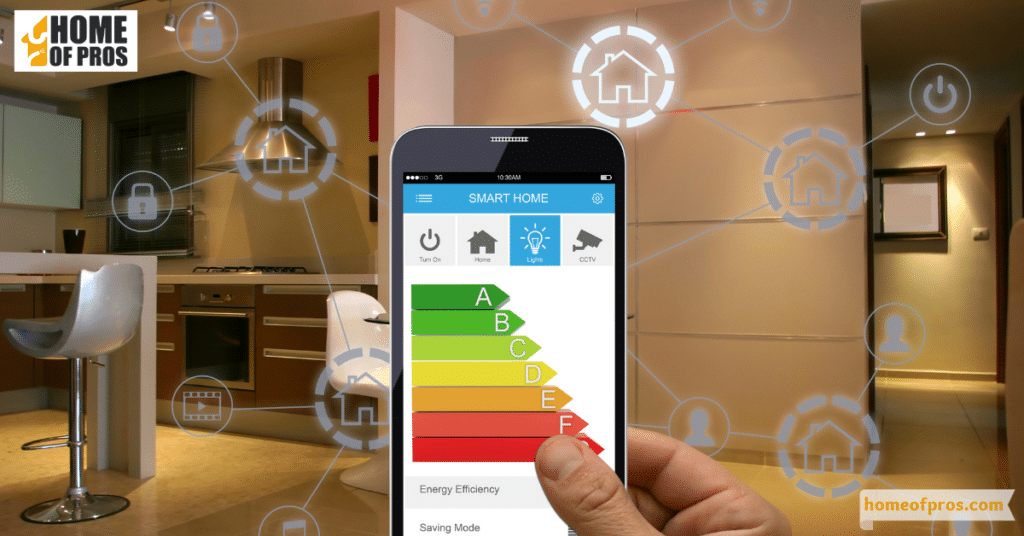
The choice of HVAC equipment is pivotal in determining your energy consumption. Energy-efficient equipment not only delivers better performance but also helps you save on energy bills. One key metric to look for when shopping for HVAC systems is the Seasonal Energy Efficiency Ratio (SEER) rating.
The SEER rating indicates how efficiently an HVAC system uses electricity over the course of a typical cooling season. A higher SEER rating means the system consumes less energy to provide the same cooling output. In most cases, investing in a system with a higher SEER rating may cost more upfront but pays off through reduced energy bills over time.
7. Proper Ventilation
Proper ventilation is often an unsung hero of HVAC efficiency. It involves ensuring that the air circulation in your home is optimal, allowing your HVAC system to operate at its best.
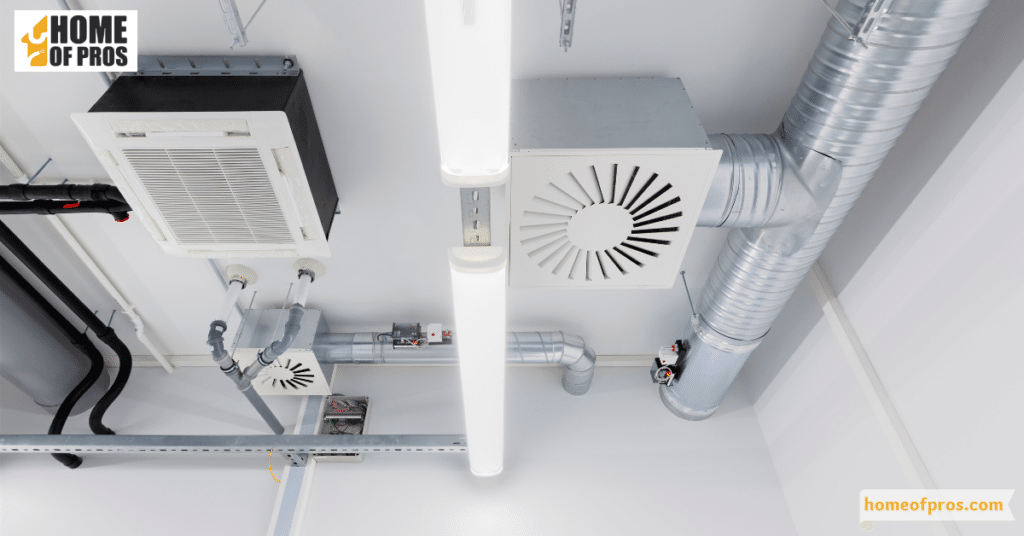
Clean, unobstructed vents are crucial for ensuring efficient airflow. Blocked or dirty vents can restrict the passage of conditioned air, making your system work harder to maintain your desired temperature. Regularly cleaning and inspecting vents is a simple yet effective way to improve HVAC efficiency.
Additionally, you should consider your home’s overall ventilation strategy. Adequate ventilation not only ensures that fresh air circulates through your home but also helps to balance humidity levels. Proper humidity control can contribute to your comfort and further optimize HVAC efficiency.

8. Energy-Saving Habits
Beyond the technical aspects, your daily habits have a profound impact on your energy bills. Adopting energy-saving habits can significantly reduce your overall consumption.
Start with setting appropriate temperature levels. Lowering the thermostat in winter and raising it in summer by just a few degrees can result in noticeable energy savings. When you’re away from home or asleep, adjust the temperature accordingly to avoid heating or cooling an empty house.
Timing is also crucial. Try to avoid heat-producing activities, such as cooking or running appliances like the dishwasher or dryer, during peak energy demand hours. This reduces the strain on your HVAC system and minimizes the need for additional cooling or heating.

Conclusion
In conclusion, these eight strategies underscore the importance of energy efficiency in HVAC systems. Regular maintenance keeps your system in peak condition, ensuring it operates efficiently and has a longer life. Programmable thermostats, smart technology, and zoning allow for precise temperature control and reduced energy consumption.
Sealing gaps, proper insulation, and ventilation create an energy-efficient home environment. Energy-efficient equipment and conscious habits further contribute to energy savings.